Climate Change and Increasing Hailstorms
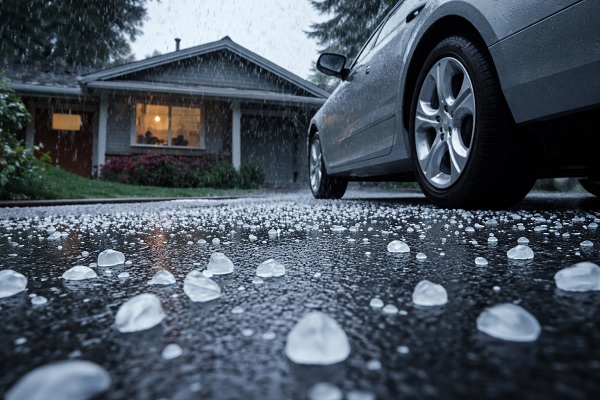
In recent years, extreme weather events have become more frequent and intense, and hailstorms are no exception. Once considered occasional and localized, hailstorms are now being reported more often across different regions of the world. Scientists and climate experts increasingly link this rise to climate change, which is altering atmospheric conditions in ways that favor the formation of severe storms.
Understanding Hailstorms
Hailstorms occur when strong updrafts in thunderstorms carry raindrops high into colder parts of the atmosphere, where they freeze into ice pellets. These pellets grow larger as they collide with supercooled water droplets before eventually falling to the ground as hailstones. The size and intensity of hail depend on the strength of the storm and atmospheric instability.
How Climate Change Is Influencing Hailstorms
Climate change is reshaping weather patterns globally, and several factors contribute to the increasing occurrence of hailstorms:
Warmer Temperatures: Rising global temperatures increase the amount of moisture in the air, creating ideal conditions for powerful thunderstorms.
Stronger Updrafts: Heat energy fuels stronger storm systems, allowing hailstones to grow larger before falling.
Unstable Atmosphere: Climate change increases atmospheric instability, which is a key ingredient for severe weather events like hailstorms.
Shifting Weather Patterns: Changes in wind patterns and jet streams can expand hail-prone regions to new areas.
Rising Frequency and Intensity
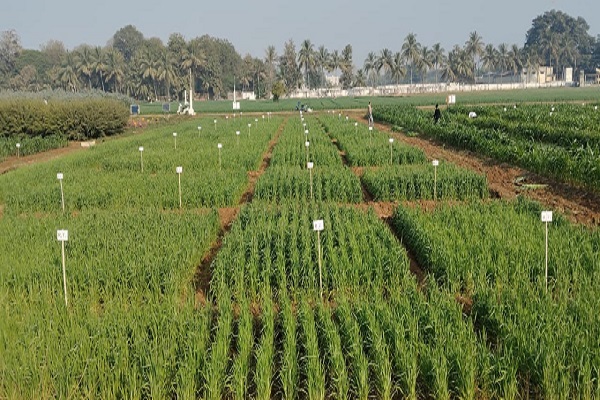
Many regions, including parts of North America, Europe, and Asia, have reported more frequent and severe hailstorms in recent years. In some cases, hailstones have reached unusually large sizes, causing widespread damage to crops, vehicles, homes, and infrastructure. These extreme events highlight the growing impact of climate change on local weather systems.
Impact on Travel and Daily Life
Hailstorms can disrupt travel plans, damage vehicles, and pose safety risks to travelers. Sudden storms can lead to road hazards, flight delays, and cancellations. For those exploring new destinations, especially in storm-prone seasons, understanding weather forecasts becomes essential.
Additionally, hailstorms can affect agriculture and tourism industries, leading to economic losses and changes in travel patterns. Popular destinations may experience reduced visitor numbers during peak storm seasons.
Staying Safe During Hailstorms
Travelers and residents alike should take precautions when facing hailstorms:
Seek shelter indoors or in a sturdy vehicle
Avoid open areas and glass structures
Monitor weather alerts and forecasts
Protect vehicles and belongings when possible
Delay travel if severe weather warnings are issued
The Need for Awareness and Action
The increasing frequency of hailstorms is a reminder of the broader impacts of climate change. While individuals can take steps to stay safe, long-term solutions require global efforts to reduce greenhouse gas emissions and adopt sustainable practices.
Understanding how climate change affects weather patterns helps travelers make informed decisions and encourages responsible travel choices. As the climate continues to evolve, awareness and preparedness will play a crucial role in navigating the challenges of extreme weather.