Budget-Friendly Food Tourism Experiences: Affordable Culinary Travel Ideas for 2026
Budget-Friendly Food Tourism Experiences in 2026
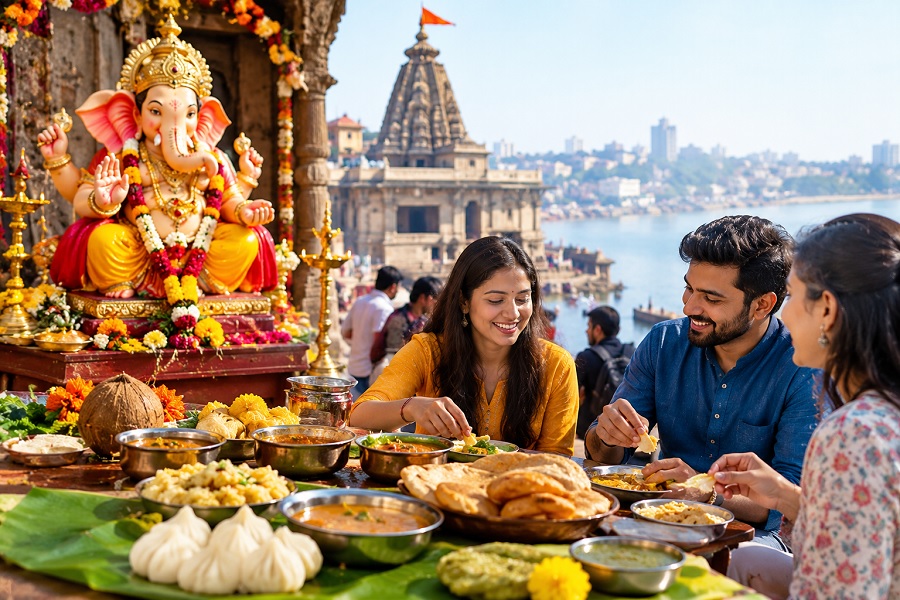
Budget-Friendly Food Tourism Experiences are becoming an attractive way for travellers to explore destinations through local cuisine without spending heavily on expensive restaurants or luxury dining experiences. From street-food walks and traditional markets to regional cooking experiences and local cafés, food can be one of the most affordable ways to understand the culture of a destination.
Food tourism is no longer limited to fine dining. Travellers are increasingly interested in authentic local dishes, traditional recipes, food markets and experiences that connect them with local communities.
What Is Budget-Friendly Food Tourism?
Budget-friendly food tourism means discovering the culinary identity of a destination while managing travel and dining expenses. Instead of concentrating on premium restaurants, travellers can explore affordable and authentic food experiences such as:
Local street food
Traditional restaurants
Food markets
Farmers' markets
Regional breakfasts
Local bakeries
Traditional sweet shops
Food festivals
Cooking demonstrations
Affordable food walks
Tea and coffee experiences
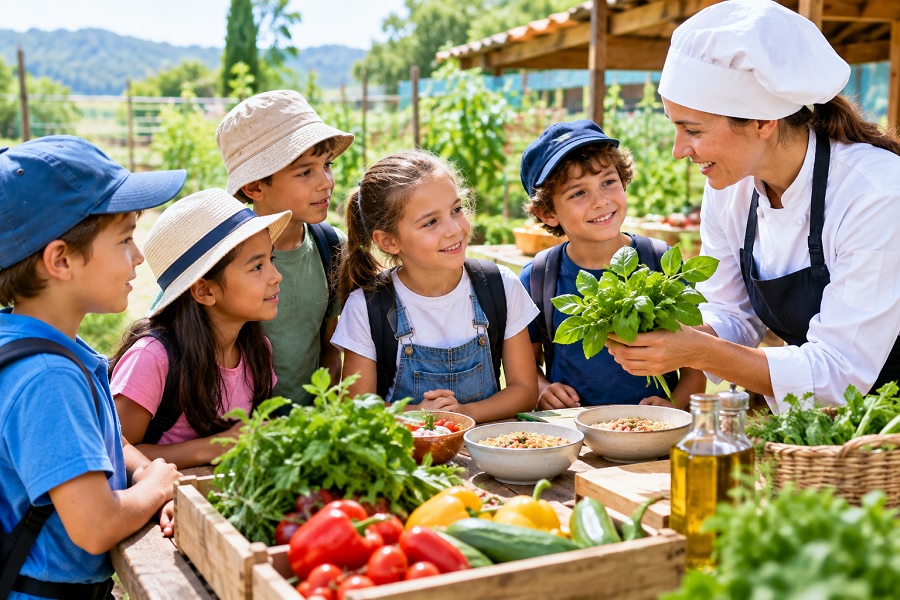
Farm-to-table experiences
The main objective is to experience the destination through its food while keeping the overall travel budget under control.
Why Food Tourism Is Growing in 2026
Food has become an important part of the travel experience. Travellers increasingly want to understand the culture and traditions behind the dishes they eat.
Culinary tourism can also encourage visitors to explore neighbourhoods outside conventional tourist attractions. Local restaurants, markets, food stalls and producers can become attractions in their own right.
For budget-conscious travellers, this makes food tourism particularly appealing because many authentic experiences do not require expensive admission fees or luxury dining.
Best Budget-Friendly Food Tourism Experiences
1. Explore Local Food Markets
Food markets are an excellent starting point for a culinary journey. Travellers can discover seasonal produce, spices, sweets, snacks and regional ingredients.
Markets can also provide opportunities to observe local shopping traditions and interact with vendors.
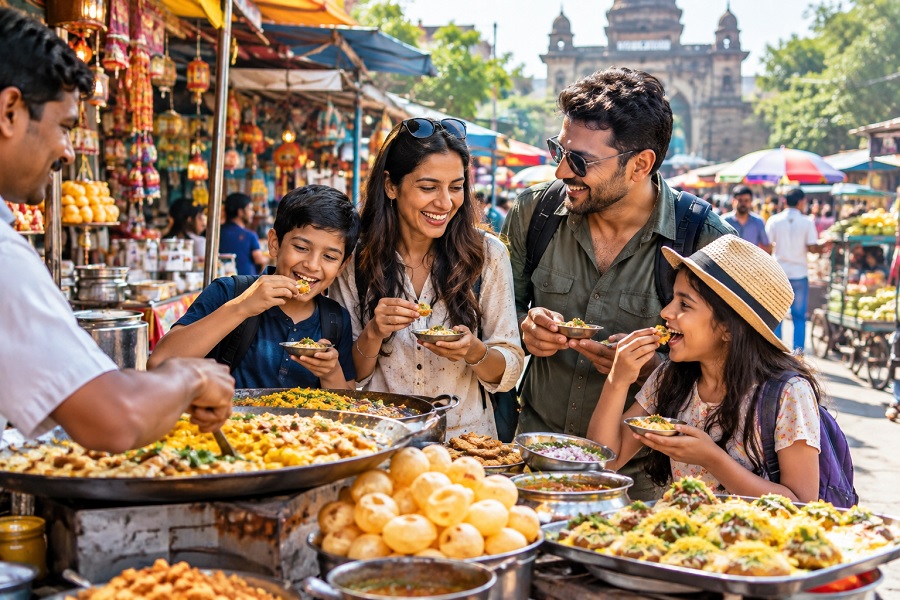
2. Try Local Street Food
Street food is often one of the most affordable ways to sample regional cuisine.
Travellers can try local snacks, breakfast dishes, savoury foods and desserts while exploring different parts of a city.
However, food hygiene should always be considered. Choosing busy stalls with good food-handling practices can help reduce potential risks.
3. Join a Budget-Friendly Food Walk
Food walks combine eating with sightseeing and storytelling. A guided walk can introduce travellers to local dishes while explaining the history and cultural significance of the neighbourhood.
For travellers who prefer independent exploration, self-guided food walks can also be created using local recommendations and destination information.
4. Visit Traditional Restaurants
Small, locally established restaurants can offer regional specialities at more accessible prices than luxury restaurants.
Instead of ordering several dishes, travellers can select one or two signature items and learn about their ingredients and preparation.
5. Discover Regional Breakfasts
Breakfast is another inexpensive opportunity to experience local cuisine.
Travellers can look for traditional breakfast dishes served by local restaurants, cafés and food stalls.
6. Explore Traditional Sweets
Every region has its own collection of sweets and desserts. Visiting traditional sweet shops can be an affordable way to discover local culinary traditions.
Travellers can also purchase small portions or gift-sized boxes instead of large quantities.
7. Experience Local Tea and Coffee Culture
Tea and coffee experiences can be simple additions to a travel itinerary.
Depending on the destination, travellers can visit traditional tea stalls, independent cafés, coffee plantations or local beverage establishments.
8. Visit Farmers' Markets
Farmers' markets connect visitors with local agricultural products and seasonal ingredients.
These markets can provide an insight into how food moves from local farms to consumers.
Budget-Friendly Food Tourism in India
India is particularly suitable for affordable food tourism because every region offers distinctive cuisines, ingredients and cooking traditions.
Maharashtra
Maharashtra offers a diverse culinary landscape, including traditional snacks, regional meals, sweets and local breakfast dishes.
Cities such as Mumbai and Pune provide opportunities to explore street food, traditional restaurants, markets and food walks.
Delhi
Delhi is known for its broad food culture, from traditional North Indian dishes and kebabs to sweets and street-food specialities.
A food-focused visit can be combined with heritage attractions and market exploration.
Rajasthan
Rajasthan offers traditional dishes, snacks, sweets and beverages that reflect the state's culinary heritage.
Visitors can combine food experiences with heritage tourism in cities such as Jaipur, Jodhpur and Udaipur.
West Bengal
West Bengal provides opportunities to discover Bengali cuisine, sweets, snacks and traditional food establishments.
Kolkata can be explored through a combination of markets, restaurants and heritage neighbourhoods.
Kerala
Kerala offers a combination of vegetarian and non-vegetarian regional dishes, traditional breakfasts, spices, seafood and local beverages.
Travellers can combine culinary experiences with backwater, nature and cultural tourism.
Hyderabad
Hyderabad is known for its distinctive culinary traditions and offers a variety of regional dishes, snacks and sweets.
A food itinerary can be combined with heritage sightseeing and local market visits.
How to Save Money on a Food Tourism Trip
Set a Daily Food Budget
Before travelling, decide how much you want to spend on food each day. Divide the amount between breakfast, lunch, snacks and dinner.
Eat Local
Restaurants aimed primarily at tourists can sometimes be more expensive. Exploring local neighbourhoods can provide additional options.
Share Dishes
Couples, families and groups can share dishes to sample more varieties without ordering a full portion of every item.
Choose One Special Meal
Instead of spending heavily throughout the day, travellers can keep most meals affordable and reserve part of the budget for one special local dining experience.
Use Public Transport or Walk
When distances are manageable, walking or public transportation can reduce the overall cost of a food-focused city trip.
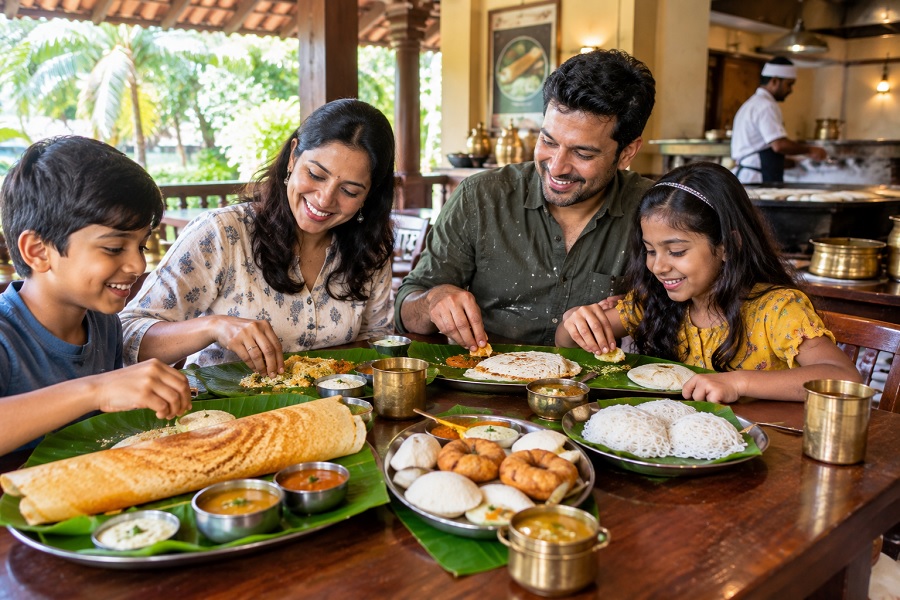
Budget-Friendly Food Tourism for Families
Families can make food tourism enjoyable for children by combining culinary experiences with sightseeing.
Food markets, bakeries, dessert shops, cooking demonstrations and family-friendly restaurants can provide activities for different age groups.
Parents should consider children's dietary requirements, allergies and food hygiene when choosing food experiences.
Budget Food Tourism for Couples
Couples can create romantic culinary experiences without expensive dining packages.
Ideas include:
Evening food-market visits
Local café hopping
Dessert trails
Scenic breakfasts
Traditional food walks
Local cooking classes
Sunset snacks
Regional food tastings
The experience can be memorable without requiring a luxury restaurant.
Sustainable Food Tourism
Choosing local restaurants, farmers' markets and independent food businesses can help travellers connect with local communities.
Local food tourism can also encourage interest in regional ingredients, traditional recipes and culinary heritage.
Travellers can make their trips more sustainable by avoiding unnecessary food waste, carrying reusable water bottles where appropriate and choosing locally produced items.
Technology and Food Tourism in 2026
Technology is changing how travellers discover restaurants, food markets and culinary experiences.
Travel platforms, digital maps, online reviews and AI-based itinerary tools can help travellers compare locations and build food-focused itineraries according to their budget and interests.
However, online reviews should be considered alongside local recommendations, recent information and personal dietary requirements.
Food Safety Tips for Travellers
Food tourism should always include basic safety precautions.
Choose clean and busy food establishments.
Check food-handling practices.
Drink safe water.
Be careful with unfamiliar ingredients if you have allergies.
Avoid food that has been stored improperly.
Eat freshly prepared food where possible.
Carry necessary medicines when travelling.
Consider dietary requirements before booking food experiences.
Sample One-Day Budget Food Tourism Itinerary
Morning: Traditional local breakfast
Late Morning: Visit a local food market
Afternoon: Heritage sightseeing and a regional lunch
Evening: Tea or coffee at a local café
Night: Street-food or dessert experience
This type of itinerary combines food, culture and sightseeing while allowing travellers to control their daily spending.
Final Thoughts
Budget-friendly food tourism provides an opportunity to discover the identity of a destination through its cuisine without relying on expensive dining experiences.
Local markets, street food, traditional restaurants, regional sweets, food walks and local cafés can all become memorable parts of a holiday.
For travellers planning their 2026 trips, combining local food, cultural exploration and smart budgeting can create an enjoyable culinary journey while keeping overall travel expenses manageable.