Bubble Tea Tourism Boom: How a Drink Became a Global Travel Trend
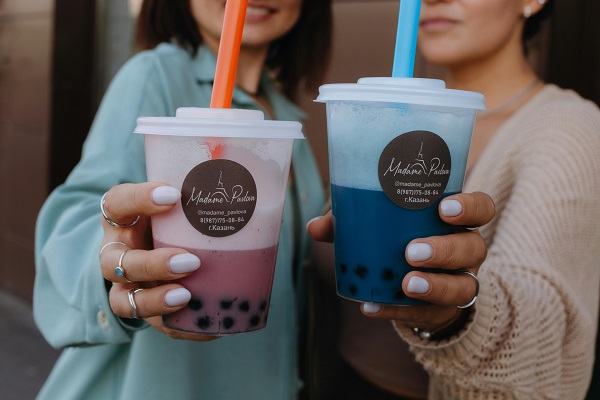
What started as a simple Taiwanese street beverage has now evolved into a global phenomenon driving travel decisions and shaping urban culture. Bubble tea—also known as boba tea—is no longer just a drink; it’s an experience, a lifestyle, and increasingly, a reason for tourism. From themed cafés to Instagram-worthy cups, the bubble tea boom is redefining how and why people travel.
The Origins of a Global Craze
Bubble tea originated in Taichung during the 1980s and quickly became a staple across Taiwan. With its unique combination of tea, milk, sugar, and chewy tapioca pearls, the drink captured the imagination of younger generations. Today, cities around the world are embracing bubble tea culture, turning it into a tourism magnet.
Why Bubble Tea Is Driving Tourism
1. Instagrammable Appeal
Bubble tea’s colorful layers, quirky packaging, and creative toppings make it a social media favorite. Travelers actively seek out visually stunning drinks in cities like Seoul and Tokyo to capture the perfect shot.
2. Unique Café Experiences
Bubble tea shops are no longer just beverage counters—they are themed destinations. From minimalist aesthetics to anime-inspired interiors, cafés offer immersive environments that attract tourists.
3. Cultural Curiosity
Tourists are eager to experience authentic local flavors. Visiting bubble tea hubs in Taipei provides insight into the drink’s cultural roots and traditional preparation techniques.
4. Global Expansion of Brands
International chains like Gong Cha and Chatime have expanded across continents, creating a familiar yet localized experience for travelers.
Top Destinations for Bubble Tea Tourism
Taipei – The heart of bubble tea culture, offering authentic flavors and iconic shops.
Hong Kong – Known for innovative twists and premium ingredients.
Singapore – A hotspot for trendy cafés and experimental flavors.
Los Angeles – A global hub with diverse boba options and fusion drinks.
Mumbai – Rapidly growing bubble tea scene with local adaptations.
Economic Impact of the Boom
The bubble tea trend is not just cultural—it’s economic. It has led to the growth of small businesses, café chains, and tourism-driven foot traffic in urban areas. Many cities now include food and beverage trails that prominently feature bubble tea stops, boosting local economies.
Bubble Tea Festivals and Events
Cities worldwide host bubble tea festivals where visitors can sample a wide range of flavors, participate in workshops, and learn about the drink’s history. These events further strengthen its role as a tourism driver.
The Future of Bubble Tea Tourism
With innovation at its core, bubble tea continues to evolve. From healthier alternatives with less sugar to eco-friendly packaging and plant-based ingredients, the industry is adapting to modern consumer preferences. As a result, bubble tea tourism is expected to grow even further, attracting both food enthusiasts and curious travelers.
Final Thoughts
The bubble tea tourism boom is a perfect example of how a simple culinary creation can transform into a global travel trend. It blends culture, creativity, and community, offering travelers a unique way to explore destinations—one sip at a time.