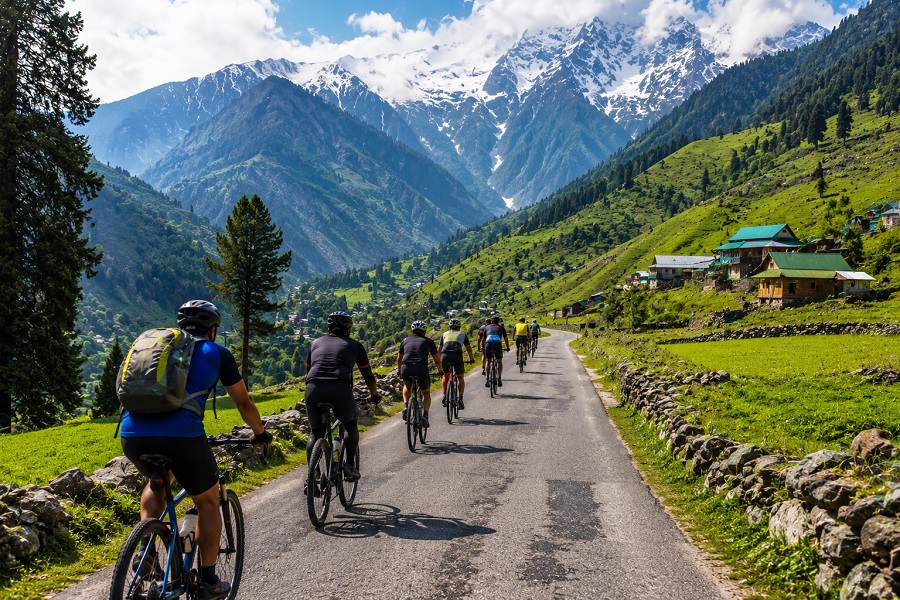
Bird Watching Tourism
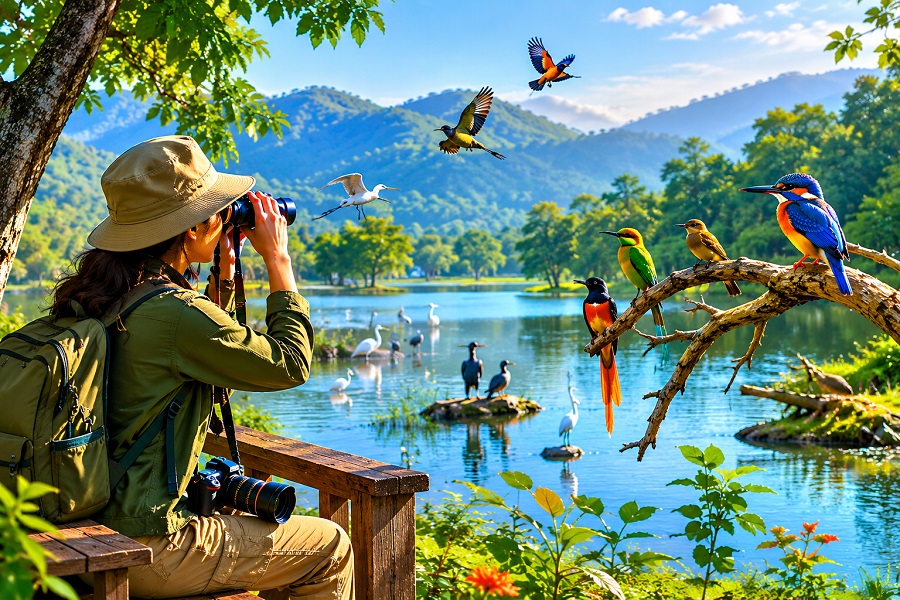
Bird Watching Tourism: Exploring Nature Through Birds
Bird watching tourism has become one of the fastest-growing forms of eco-tourism around the world. Nature lovers, photographers, wildlife enthusiasts, and travelers are increasingly visiting forests, wetlands, national parks, and bird sanctuaries to experience the beauty of colorful and rare bird species in their natural habitats.
This peaceful and educational travel activity allows people to connect with nature while promoting environmental awareness and wildlife conservation.
What is Bird Watching Tourism?
Bird watching tourism, also known as avitourism, involves traveling to destinations where visitors can observe local and migratory birds. Tourists often carry binoculars, cameras, and field guides to identify different bird species and capture stunning photographs.
Popular bird watching destinations include wetlands, lakes, forests, mountain regions, mangrove areas, and wildlife sanctuaries. Countries with rich biodiversity attract thousands of bird watchers every year.
Why Bird Watching Tourism is Popular
Peaceful Nature Experience
Bird watching offers a calm and relaxing experience away from crowded tourist places. The sound of birds, fresh air, and natural landscapes create a refreshing atmosphere for travelers.
Wildlife Photography Opportunities
Bird watching tourism is highly popular among photographers who enjoy capturing rare birds, colorful feathers, and birds in flight during sunrise and sunset hours.
Eco-Friendly Tourism
This form of tourism supports nature conservation and encourages travelers to respect wildlife habitats. Many eco-resorts and national parks promote sustainable tourism practices.
Educational Travel
Travelers learn about bird species, migration patterns, ecosystems, and environmental conservation. Guided bird tours also provide valuable knowledge from local experts.
Best Destinations for Bird Watching Tourism
Many destinations around the world are famous for bird watching tourism due to their rich ecosystems and migratory bird populations. Wetlands, forest reserves, mountain valleys, and coastal regions attract bird lovers throughout the year.
Popular places often include:
National parks
Wildlife sanctuaries
Mangrove forests
Riverbanks and wetlands
Himalayan regions
Tropical rainforests
Best Time for Bird Watching
Early mornings are considered the best time because birds are most active during sunrise hours. Winter and migration seasons are especially popular since many migratory birds travel long distances and gather in protected areas.
Tips for Bird Watching Travelers
Carry binoculars and a camera
Wear comfortable outdoor clothing
Stay silent to avoid disturbing birds
Follow eco-tourism rules and park guidelines
Hire local guides for better bird spotting experiences
Avoid littering in natural habitats
Benefits of Bird Watching Tourism
Bird watching tourism supports local communities, eco-resorts, wildlife guides, and conservation projects. It also creates awareness about protecting endangered bird species and preserving natural ecosystems for future generations.
Final Thoughts
Bird watching tourism is more than just a travel activity. It is a peaceful journey into nature that combines adventure, education, relaxation, and environmental responsibility. Whether exploring wetlands, forests, mountains, or wildlife sanctuaries, bird watching creates unforgettable memories for travelers who appreciate the beauty of nature and wildlife.