Spring Birdwatching Trips

Spring Birdwatching Trips: A Perfect Seasonal Adventure for Nature Lovers
Introduction
Spring is one of the most exciting seasons for birdwatching enthusiasts. As temperatures rise and landscapes bloom with colorful flowers, millions of migratory birds return to their breeding grounds, creating spectacular opportunities for wildlife observation. Spring birdwatching trips combine outdoor adventure, nature photography, environmental education, and peaceful exploration, making them increasingly popular among travelers worldwide.
Birdwatching tourism has grown significantly in recent years as travelers seek sustainable and meaningful outdoor experiences. Spring offers ideal conditions for spotting rare species, observing nesting behaviors, and enjoying vibrant natural scenery.
Why Spring is the Best Season for Birdwatching
Spring marks the migration period for many bird species. Birds travel thousands of kilometers from winter habitats to breeding destinations, creating incredible viewing opportunities for enthusiasts.
Key Benefits of Spring Birdwatching
Increased bird activity during migration
Vibrant breeding plumage and colors
Pleasant weather conditions
Abundant wildlife photography opportunities
Blooming landscapes that enhance travel experiences
Educational opportunities for families and students
Birdwatchers can observe singing displays, courtship rituals, nest-building activities, and feeding behaviors that are rarely seen during other seasons.
Popular Spring Birdwatching Destinations
Wetlands and Marshes
Wetland ecosystems attract migratory waterfowl, cranes, herons, and shorebirds. These habitats provide excellent opportunities for spotting large numbers of species in one location.
National Parks
Protected parks offer diverse habitats that support resident and migratory bird populations. Spring often brings a surge of avian activity across forests, grasslands, and lakes.
Coastal Regions
Coastal migration routes are among the most productive birdwatching locations during spring. Many seabirds and shorebirds stop to rest and feed during long journeys.
Mountain Regions
Higher elevations attract unique species and provide spectacular scenic backgrounds for birdwatching and photography.
Emerging Trends in Birdwatching Tourism
Eco-Friendly Birding Tours
Sustainable tourism operators are offering responsible birdwatching experiences that minimize environmental impact while supporting conservation efforts.
Wildlife Photography Expeditions
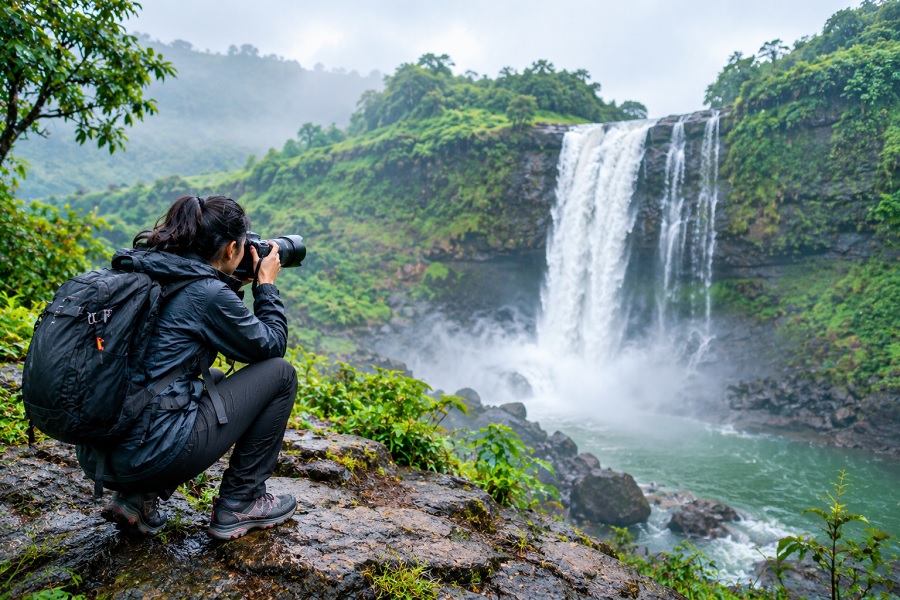
Many travelers combine birdwatching with professional photography workshops focused on capturing rare species and natural landscapes.
Guided Nature Experiences
Expert-led birdwatching tours help travelers identify species, understand migration patterns, and learn about conservation initiatives.
Family Birdwatching Holidays
Birdwatching is becoming increasingly popular among families seeking educational and outdoor-focused vacations.
Digital Bird Identification
Mobile apps and AI-powered identification tools are making birdwatching more accessible for beginners and experienced enthusiasts alike.
Essential Equipment for Spring Birdwatching
Successful birdwatching trips often require:
Binoculars
Camera with zoom lens
Field guide or bird identification app
Comfortable hiking shoes
Lightweight outdoor clothing
Notebook for recording sightings
Water and snacks for longer excursions
Economic and Environmental Impact
Birdwatching tourism contributes significantly to local economies through accommodations, transportation, guided tours, restaurants, and conservation programs. It also promotes environmental awareness and supports habitat preservation efforts.
Communities near bird sanctuaries, wetlands, and protected reserves benefit from increased tourism revenue while encouraging sustainable conservation practices.
Future of Spring Birdwatching Tourism
The future of birdwatching tourism looks promising as travelers increasingly prioritize nature-based experiences. Advances in wildlife photography, eco-tourism initiatives, digital identification tools, and conservation awareness are expected to drive continued growth.
Many destinations are investing in birding infrastructure, observation towers, guided experiences, and educational programs to attract visitors interested in wildlife tourism.
Conclusion
Spring birdwatching trips offer a unique blend of adventure, education, relaxation, and environmental appreciation. Whether exploring wetlands, forests, coastlines, or mountain habitats, birdwatchers can enjoy remarkable encounters with migratory and resident species while supporting sustainable tourism practices. As interest in nature-based travel continues to grow, spring birdwatching remains one of the most rewarding seasonal tourism experiences available.