A Taste of the Journey: Exploring Unique Destination Restaurant Experiences

Destination Restaurant Tourism: Discovering Places Through Exceptional Dining Experiences
Introduction
Destination Restaurant Tourism is a growing form of culinary travel where the restaurant itself becomes an important reason for visiting a destination. Instead of choosing a restaurant simply because it is close to a hotel or attraction, travelers plan trips around memorable dining experiences, famous chefs, unique locations, traditional cuisine, or restaurants known for their distinctive atmosphere.
From a seaside restaurant serving fresh seafood to a mountain café overlooking scenic valleys, destination restaurants combine food with travel, culture, architecture, hospitality, and local identity. These experiences allow travelers to discover a destination through its flavors while creating memorable dining moments.
What Is Destination Restaurant Tourism?
Destination Restaurant Tourism refers to travel experiences in which visiting a particular restaurant is a significant part of the travel itinerary. The restaurant may be famous for its cuisine, chef, location, heritage, design, cultural importance, or innovative dining concept.
These restaurants can be found in cities, villages, coastal areas, mountains, forests, heritage buildings, vineyards, farms, and luxury resorts. The dining experience often becomes an attraction in itself.
Why Destination Restaurant Tourism Is Becoming Popular
Travelers increasingly want experiences that are memorable and different from ordinary sightseeing. Food provides an easy way to connect with local culture and communities.
Destination restaurants can offer:
Authentic regional cuisine
Scenic surroundings
Traditional cooking methods
Local ingredients
Unique restaurant architecture
Chef-led dining experiences
Cultural storytelling
Farm-to-table meals
Special tasting menus
Seasonal dishes
Personalized hospitality
Memorable photography opportunities
For many travelers, a special meal is no longer just part of a vacation. It can become one of the main highlights of the journey.
The Role of Local Cuisine
Local cuisine is one of the most important elements of destination restaurant tourism. Restaurants that use regional ingredients and traditional recipes can introduce travelers to the history and identity of a destination.
Visitors may discover traditional breads, regional curries, seafood, desserts, spices, fermented foods, local fruits, traditional beverages, and family recipes.
For example, a traveler visiting a coastal destination may specifically seek a restaurant specializing in locally caught seafood, while someone visiting a heritage city may choose a restaurant known for traditional regional cuisine.
Scenic Destination Restaurants
Location can transform an ordinary meal into a memorable travel experience.
Popular settings include:
Beachfront restaurants
Mountain restaurants
Riverside dining venues
Rooftop restaurants
Forest restaurants
Desert dining locations
Lakeside restaurants
Vineyard restaurants
Farm restaurants
Heritage buildings
Historic streets
Garden restaurants
The combination of scenery, food, and hospitality creates a complete destination experience.
Farm-to-Table Restaurant Tourism
Farm-to-table dining is another important part of destination restaurant tourism. These restaurants often source vegetables, fruits, grains, dairy products, herbs, and other ingredients directly from nearby farms or producers.
Travelers may be able to visit the farm, learn about agricultural practices, meet producers, and then enjoy a meal prepared with freshly harvested ingredients.
This approach can also strengthen connections between tourism businesses, farmers, and local communities.
Heritage Restaurant Experiences
Historic restaurants can provide travelers with an opportunity to experience culinary traditions connected to a destination's past.
Restaurants operating in heritage buildings or serving long-established recipes can combine food with architecture and storytelling. Travelers may learn about traditional cooking techniques, historical ingredients, family culinary traditions, and the evolution of local food culture.
Such experiences can be especially attractive in historic cities and cultural tourism destinations.
Chef-Led Dining Experiences
The chef can be an important attraction in destination restaurant tourism. Some travelers choose destinations specifically to experience the cuisine and creative approach of a particular chef.
Chef-led experiences may include:
Tasting menus
Open-kitchen dining
Chef's table experiences
Cooking demonstrations
Seasonal menus
Ingredient-focused meals
Food pairing experiences
Culinary workshops
These experiences allow visitors to understand the creativity and techniques behind their meals.
Destination Restaurants and Cultural Tourism
Food is closely connected to culture. Restaurants can help travelers understand local traditions through ingredients, recipes, dining customs, table settings, music, architecture, and hospitality.
A culturally focused restaurant may also showcase traditional crafts, local artwork, regional music, or historical stories.
This makes dining an important component of cultural tourism.
Destination Restaurant Tourism in India
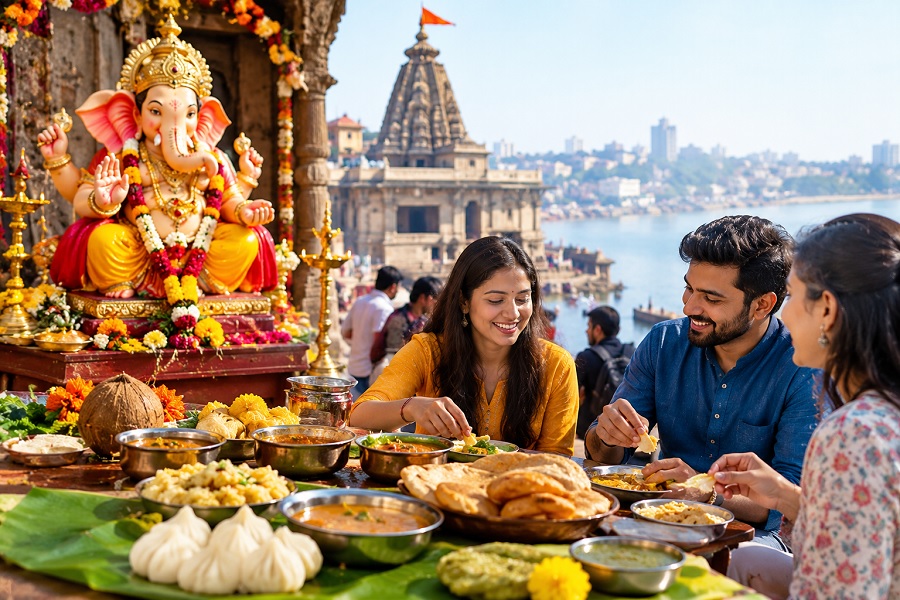
India offers enormous potential for destination restaurant tourism because of its diverse culinary traditions.
Travelers can explore:
Rajasthani cuisine in Rajasthan
Goan cuisine in Goa
Kerala cuisine in Kerala
Gujarati cuisine in Gujarat
Bengali cuisine in West Bengal
Maharashtrian cuisine in Maharashtra
Punjabi cuisine in Punjab
Kashmiri cuisine in Kashmir
South Indian cuisine across southern states
Himalayan cuisine in mountain regions
Northeast Indian culinary traditions
Each region offers distinctive ingredients, cooking methods, flavors, and dining traditions.
Food and Scenic Travel
Destination restaurants are particularly attractive when combined with sightseeing. A traveler might visit a historical monument, explore a local market, enjoy a scenic drive, and finish the day at a restaurant offering regional cuisine.
This creates a complete itinerary rather than an isolated dining experience.
Sustainable Destination Restaurant Tourism
Sustainability is becoming increasingly important in food and beverage tourism.
Destination restaurants can support responsible tourism by:
Purchasing local ingredients
Supporting small farmers
Reducing food waste
Using seasonal produce
Minimizing unnecessary packaging
Conserving water and energy
Supporting local employees
Protecting traditional food practices
Encouraging responsible seafood sourcing
Travelers can also contribute by choosing restaurants that demonstrate responsible environmental and community practices.
Benefits for Local Communities
Destination restaurant tourism can create economic opportunities for local communities.
Restaurants can generate demand for:
Farmers
Fishermen
Food producers
Bakers
Artisans
Local guides
Hospitality workers
Transport providers
Small food businesses
When restaurants source locally, more tourism spending can remain within the destination.
Experiences for Couples
Couples can enjoy destination restaurants as part of romantic travel. Sunset dining, candlelit dinners, rooftop restaurants, beachfront meals, and scenic mountain dining can create memorable experiences.
Special menus, local food tastings, private dining spaces, and beautiful surroundings can make dining an important part of a couple's travel itinerary.
Family Destination Dining
Families can also benefit from destination restaurant experiences. Restaurants offering interactive cooking sessions, children's menus, outdoor seating, local food demonstrations, and relaxed environments can make culinary travel enjoyable for different age groups.
Food experiences can also introduce children to new ingredients, cultures, and traditional cooking methods.
Solo Food Travel
Destination restaurants are increasingly relevant to solo travelers. A carefully selected restaurant can become an important part of a solo travel itinerary.
Solo travelers may enjoy chef's counters, tasting menus, food tours, cooking workshops, and restaurants with communal seating that make it easier to interact with other guests.
Food Photography and Social Media
Visually appealing restaurants have become popular among travelers who enjoy food photography and travel content creation.
Architecture, presentation, scenic surroundings, traditional cooking methods, and colorful local dishes can provide excellent opportunities for photography.
However, travelers should respect restaurant policies and avoid disrupting other guests while taking photographs.
How to Choose a Destination Restaurant
Travelers should consider several factors before making a reservation:
Restaurant reputation
Type of cuisine
Location
Menu options
Local ingredient sourcing
Dietary requirements
Price range
Reservation requirements
Opening hours
Customer reviews
Dining atmosphere
Accessibility
Sustainability practices
Researching these details beforehand can help travelers choose an experience that matches their expectations.
Best Times for Destination Restaurant Tourism
The ideal time depends on the destination and restaurant concept.
Seasonal travel can be especially rewarding because restaurants may create menus around locally available ingredients. Harvest seasons, food festivals, cultural celebrations, and regional culinary events can provide additional opportunities.
Sunset and evening dining can be particularly attractive for restaurants with scenic views, while breakfast and lunch may be better suited to farm, market, and countryside experiences.
Food Festivals and Destination Restaurants
Food festivals can increase interest in destination restaurant tourism by bringing together restaurants, chefs, producers, and travelers.
Visitors can combine a restaurant visit with:
Food festivals
Farmers' markets
Cooking demonstrations
Culinary competitions
Wine and beverage events
Traditional celebrations
Street food festivals
This creates a broader culinary travel experience.
The Future of Destination Restaurant Tourism
The future of destination restaurant tourism is likely to focus increasingly on authenticity, sustainability, personalization, local sourcing, technology, and memorable experiences.
Travelers are likely to seek restaurants that provide more than food. They will increasingly value stories, local connections, unique locations, responsible practices, and opportunities to participate in the culinary process.
Restaurants that successfully combine excellent food with cultural and environmental responsibility can become important attractions within their destinations.
Conclusion
Destination Restaurant Tourism offers travelers a unique way to explore places through food. A memorable restaurant can introduce visitors to regional flavors, local traditions, scenic environments, culinary creativity, and community culture.
Whether it is a traditional restaurant in a historic neighborhood, a farm-to-table dining experience in the countryside, a seafood restaurant beside the ocean, or a chef-led dining experience in a major city, destination restaurants can turn a simple meal into a meaningful travel memory.
As travelers continue searching for authentic and distinctive experiences, Destination Restaurant Tourism has strong potential to become an important part of modern culinary and cultural tourism.