Wildlife Photography Trips for Families
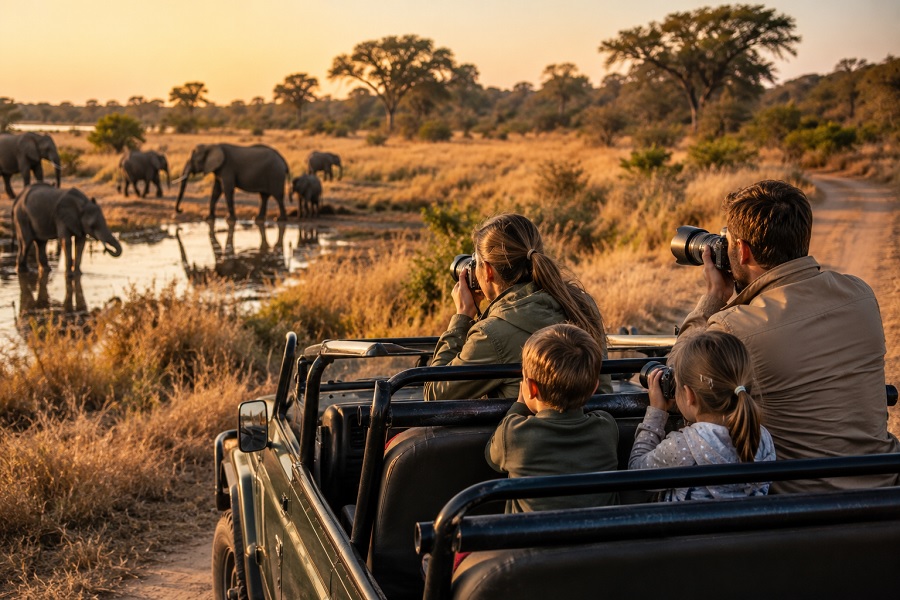
Wildlife Photography Trips for Families: Capturing Nature and Creating Lasting Memories
Wildlife photography trips for families are a wonderful way to combine travel, outdoor adventure, nature education, and creativity. Instead of simply visiting a destination and taking ordinary vacation photos, families can explore forests, wetlands, national parks, wildlife reserves, coastal habitats, and other natural environments while learning how to observe animals respectfully.
A family wildlife photography holiday does not require everyone to own an expensive professional camera. Smartphones, compact cameras, binoculars, and entry-level cameras can all help children and adults discover the excitement of nature photography. The most important part is developing patience, curiosity, and respect for wildlife.
Why Wildlife Photography Is Perfect for Family Travel
Wildlife photography gives families a shared activity that can appeal to different age groups. Parents can enjoy photography, children can learn about animals, and grandparents can participate in relaxed wildlife-watching experiences.
A photography trip also encourages families to slow down and pay attention to their surroundings. Instead of rushing from one attraction to another, travelers may spend time observing birds, insects, mammals, reptiles, or landscapes.
The U.S. Fish & Wildlife Service recommends that young photographers focus on the animal's eyes, include the surrounding environment in photographs, experiment with different perspectives, and always respect wildlife by maintaining a safe distance.
Choosing the Right Family Wildlife Destination
The best destination for a family photography trip should match the children's ages, the family's interests, and everyone's comfort level.
Families can consider destinations offering:
National parks
Wildlife sanctuaries
Bird reserves
Wetlands
Forest reserves
Coastal wildlife areas
Nature trails
Safari parks
Butterfly gardens
Marine wildlife destinations
For younger children, destinations with easy walking trails and accessible viewing areas may be ideal. Families traveling with teenagers may prefer more adventurous experiences such as guided safaris, birdwatching excursions, or wildlife photography workshops.
It is also useful to research the destination's seasonal wildlife activity. Wildlife behavior can change throughout the year, and migration seasons, breeding periods, and weather conditions can influence what visitors are likely to see.
Making Wildlife Photography Educational
One of the greatest advantages of family wildlife photography is its educational value. Children can learn about animal behavior, habitats, food chains, biodiversity, and conservation while enjoying a hands-on travel experience.
Parents can encourage children to maintain a simple wildlife photography journal. They can record:
Animal names
Date and location
Weather conditions
Interesting behaviors
Habitat observations
Favorite photographs
Questions about the species
This turns a vacation into an informal nature-learning experience.
Families can also create a shared photo challenge, such as photographing five different bird species, capturing an animal in its natural habitat, or finding interesting patterns in leaves, flowers, and insects.
Photography Tips for Family Wildlife Trips
Great wildlife photography is often about patience rather than expensive equipment. The U.S. Fish & Wildlife Service recommends being patient, maintaining distance, preparing for changing weather, carrying spare batteries and memory cards, and considering morning and evening light.
Families can follow a few simple photography tips:
Focus on the Eyes
When photographing animals, focusing on the eyes can make the image more engaging. Encourage children to observe the animal before pressing the shutter.
Show the Environment
Not every photograph needs to be a close-up. Including trees, grasslands, mountains, water, or other elements can help tell the story of where an animal lives.
Try Different Perspectives
Children can experiment with photography from different safe positions. A low angle may create a dramatic image, while a wider view can show an animal within its habitat.
Use Natural Light
Early morning and late afternoon often provide attractive natural light, while wildlife may also be more active during these periods. Cloudy conditions can also create soft, even lighting.
Be Patient
Wildlife may not appear immediately. Instead of constantly searching for animals, families can enjoy the sounds, landscapes, plants, and smaller creatures around them.
Responsible Wildlife Photography
Responsible behavior should always come before getting the perfect photograph. Families should never chase, touch, feed, or deliberately disturb wild animals.
The U.S. Fish & Wildlife Service advises visitors to view wildlife from a distance, use zoom lenses or binoculars, avoid disturbing nesting and denning areas, and never feed wild animals.
Similarly, NOAA's wildlife-viewing guidance emphasizes giving animals enough space and watching for signs of disturbance. If an animal starts fleeing, freezing, staring, fidgeting, changing direction rapidly, or becoming unusually vocal, visitors may be too close and should move away.
For families, this is an excellent opportunity to teach children that a successful wildlife encounter is not measured by how close they can get to an animal. The best experience is one where the animal remains comfortable and behaves naturally.
What Families Should Pack
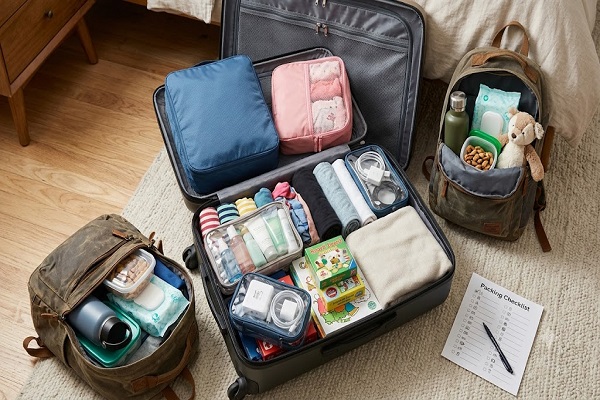
A family wildlife photography trip does not require a huge amount of equipment. A practical packing list may include:
Smartphone or camera
Extra batteries or power bank
Memory cards
Binoculars
Comfortable walking shoes
Sun protection
Reusable water bottles
Insect repellent
Light rain protection
Lightweight clothing
Field guide or wildlife identification app
Small notebook for children
Families should also check the specific rules of their destination before traveling. Some protected areas may restrict tripods, drones, flash photography, or access to sensitive habitats.
Creating a Family Wildlife Photo Challenge
A fun way to keep children engaged is to organize a friendly photography challenge.
For example, families can create categories such as:
Best bird photograph
Most interesting animal behavior
Best landscape photograph
Best insect photograph
Best reflection
Best close-up
Best habitat photograph
Most unusual discovery
The goal should not necessarily be to choose a technically perfect image. Instead, children can be encouraged to explain why they selected a photograph and what they learned while taking it.
Wildlife Photography and Conservation
Photography can help families develop a stronger connection with nature. When children learn to recognize animals and understand their habitats, they may become more interested in protecting the natural world.
The U.S. Fish & Wildlife Service notes that photographers can contribute to conservation by sharing images, supporting wildlife refuges and conservation groups, and helping others appreciate protected natural areas.
Family photography trips can therefore become more than vacations. They can inspire conversations about habitat protection, pollution, biodiversity, endangered species, and responsible tourism.
Choosing a Responsible Wildlife Tour
If a family books a guided wildlife tour, it is important to select an operator that follows ethical wildlife-viewing practices.
Look for guides who:
Maintain appropriate distances from animals
Follow local wildlife regulations
Avoid feeding or baiting animals
Do not intentionally provoke wildlife
Explain conservation issues
Respect protected areas
Encourage responsible photography
Prioritize animal welfare
NOAA recommends choosing businesses that follow responsible wildlife-viewing principles and leading by example when interacting with wildlife.
The Future of Family Wildlife Photography Trips
Family wildlife photography trips are likely to become an increasingly popular form of experiential and nature-based tourism. They combine recreation with learning and give families a reason to spend meaningful time together outdoors.
The rise of smartphones and affordable cameras has also made wildlife photography more accessible. Children can now document their observations without needing professional equipment.
The future of family wildlife travel will likely focus increasingly on responsible photography, conservation education, nature immersion, and low-impact experiences. Families who choose these trips can enjoy memorable adventures while developing a deeper appreciation for the natural world.
Ultimately, the best wildlife photography trip is not about returning home with the largest number of photographs. It is about sharing a meaningful experience, learning something new, respecting wildlife, and creating memories that families can enjoy together for years to come.