Udaipur: India’s Lake City Redefining International Tourism
A Regal Legacy That Transcends Borders
Founded in 1559 by Maharana Udai Singh II, Udaipur was designed as a capital rooted in resilience and beauty. Unlike many historic cities shaped primarily by trade or conquest, Udaipur evolved around water—its lakes serving both practical and aesthetic purposes. Today, Lake Pichola, Fateh Sagar Lake, and Udai Sagar define the city’s landscape, creating vistas that rival some of the world’s most scenic urban waterfronts.
The architectural crown jewel, the City Palace, stands as a symbol of Mewar’s royal heritage. Overlooking Lake Pichola, the palace complex is a fusion of Rajasthani and Mughal styles, offering international visitors an extraordinary insight into India’s princely past. Its courtyards, balconies, and museums reveal centuries of art, warfare, diplomacy, and ceremonial life.
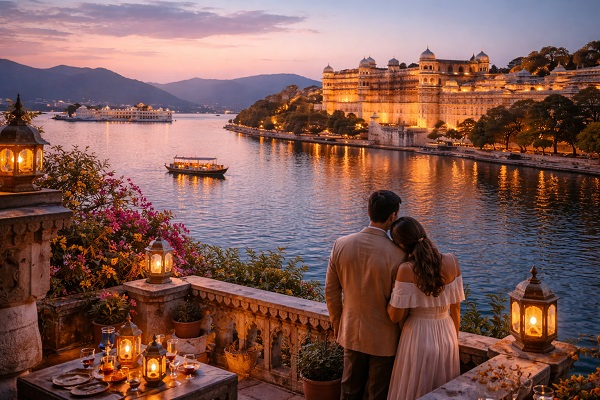
Across the water, the iconic Lake Palace—now a luxury hotel—has become a global symbol of Indian hospitality, frequently featured in international films, travel editorials, and destination rankings.
Luxury Tourism with Cultural Depth
Udaipur has successfully positioned itself as a luxury destination without losing its cultural soul. Former royal residences have been thoughtfully transformed into world-class heritage hotels, offering international travellers an opportunity to experience history with modern comforts. Unlike conventional luxury tourism, the experience here feels intimate—defined by personalised service, traditional architecture, and serene surroundings.
Beyond five-star stays, boutique hotels and heritage homestays cater to culturally curious travellers seeking authenticity. These properties often offer curated experiences such as private heritage walks, cooking demonstrations of regional cuisine, and interactions with local artists—elements that resonate strongly with global experiential travel trends.
A Culinary Journey for Global Palates
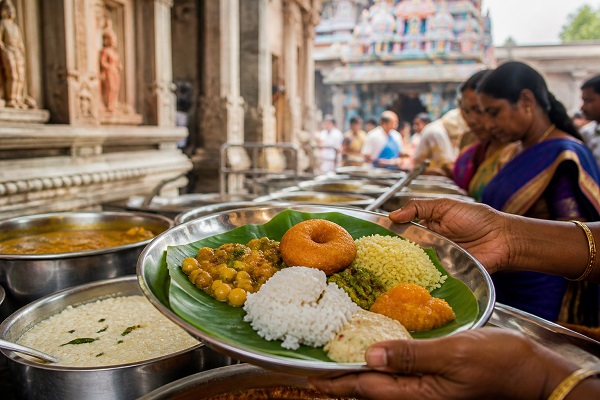
Food is a powerful bridge between cultures, and Udaipur’s culinary landscape reflects both tradition and adaptation. International visitors are introduced to regional Rajasthani specialities such as dal baati churma, gatte ki sabzi, and ker sangri, dishes shaped by the region’s climate and history.
At the same time, the city’s dining scene has evolved to meet global tastes. Rooftop restaurants overlooking the lakes serve fusion menus, international cuisine, and contemporary interpretations of Indian classics. The result is a culinary journey that feels familiar yet adventurous—an important factor in international destination appeal.
Cultural Tourism and Living Traditions
Udaipur’s cultural vibrancy extends far beyond its monuments. Traditional arts such as miniature painting, marble carving, silver jewellery making, and textile printing continue to thrive in the city’s old quarters. For international tourists, watching artisans at work provides a deeper appreciation of India’s intangible cultural heritage.
Festivals further enhance the city’s global tourism appeal. Events like Gangaur, Mewar Festival, and seasonal cultural fairs attract visitors from around the world, offering a chance to witness living traditions rather than staged performances.
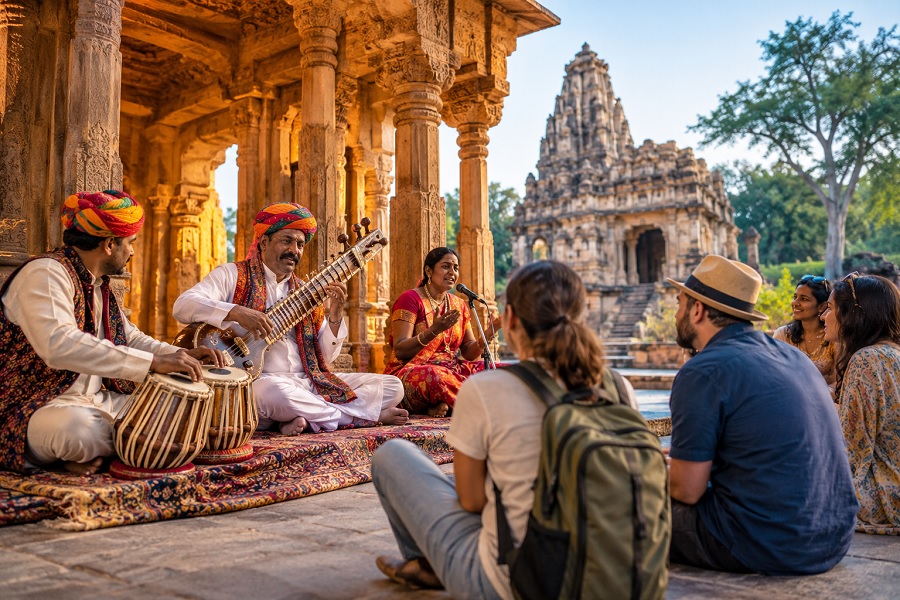
Evenings often bring folk music and dance performances that celebrate Rajasthan’s storytelling traditions, creating memorable cultural encounters for international audiences.
Sustainable and Slow Travel Appeal
As global tourism shifts toward sustainability and slow travel, Udaipur aligns naturally with these values. The city encourages exploration at a relaxed pace—morning walks along the ghats, sunset boat rides, and unhurried afternoons in courtyards and cafés.
Efforts to preserve lakes, promote local crafts, and support heritage conservation have strengthened Udaipur’s image as a responsible tourism destination. For international travellers increasingly conscious of their travel footprint, this balance of preservation and progress is a significant draw.
Connectivity and Global Accessibility
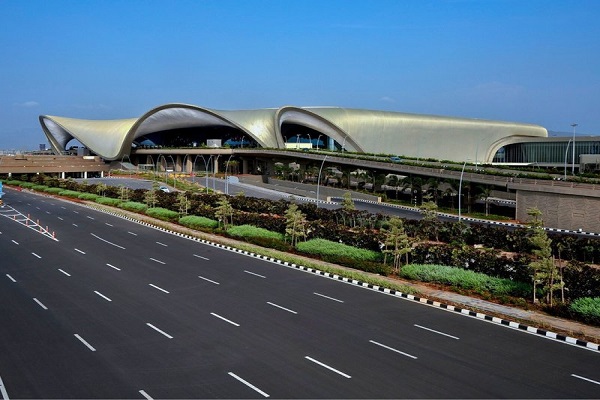
Udaipur’s growing international profile is supported by improved connectivity. Regular domestic flights link the city to major Indian hubs, while international visitors can easily access Udaipur via Delhi, Mumbai, and Jaipur. Enhanced infrastructure, multilingual guides, and globally recognised hospitality standards further reinforce its readiness for international tourism.
Why Udaipur Resonates Globally
What truly sets Udaipur apart on the international tourism map is not just its beauty, but its emotional resonance. It is a city that invites reflection, offers elegance without excess, and delivers cultural richness without overwhelm.
For honeymooners, cultural explorers, luxury seekers, solo travellers, and slow-travel enthusiasts alike, Udaipur provides an experience that feels both distinctly Indian and universally appealing.
In a rapidly changing world, Udaipur remains gracefully timeless—an enduring reminder that the most powerful journeys are those that connect travellers not just to places, but to history, culture, and themselves.