Cybersecurity and Data Privacy in International Tourism
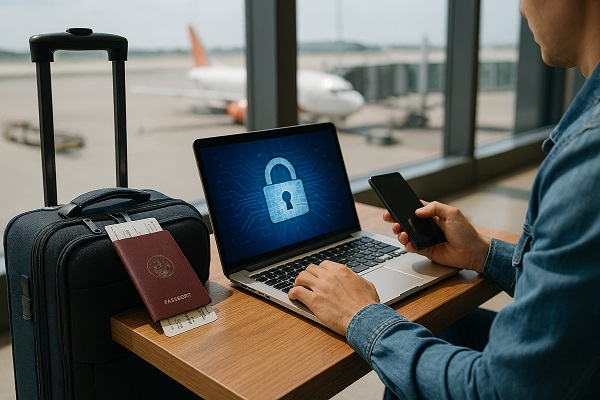
International tourism has become increasingly digital. From online visa applications and airline bookings to mobile check-ins, digital payments, and personalized travel experiences, technology now sits at the heart of global travel. While this digital transformation has made travel more convenient and efficient, it has also introduced serious challenges related to cybersecurity and data privacy. Protecting travelers’ personal and financial information has become a critical priority for the international tourism industry.
The Growing Digital Footprint of Tourists
Modern tourists share vast amounts of data at every stage of their journey. Passport details, biometric data, payment information, travel preferences, health records, and location data are collected by airlines, hotels, travel agencies, tour operators, and government authorities. With cloud-based systems, mobile apps, and interconnected platforms, this data often travels across borders, making it vulnerable to cyber threats.
As international tourism expands, so does the volume of sensitive data, increasing the risk of data breaches, identity theft, and financial fraud.
Rising Cyber Threats in the Tourism Industry
The tourism sector is a prime target for cybercriminals due to its high transaction volumes and fragmented digital ecosystem. Hotels and airlines have experienced data breaches exposing millions of customer records. Phishing attacks, ransomware incidents, fake booking websites, and compromised Wi-Fi networks are common threats faced by both businesses and travelers.
Smaller tourism operators, especially in developing countries, often lack robust cybersecurity infrastructure, making them particularly vulnerable to attacks.
Importance of Data Privacy in Cross-Border Travel
International tourism involves the transfer of personal data across multiple jurisdictions, each with different data protection laws. Regulations such as the General Data Protection Regulation (GDPR) in Europe have set global benchmarks for data privacy, requiring tourism businesses to handle personal data responsibly and transparently.
Failure to comply with data protection laws can result in heavy fines, reputational damage, and loss of traveler trust. For tourists, concerns about how their data is stored, shared, and used increasingly influence destination and service provider choices.
Role of Technology in Strengthening Cybersecurity
Advanced technologies play a key role in enhancing cybersecurity within international tourism. Encryption, multi-factor authentication, secure payment gateways, and AI-driven threat detection systems help protect sensitive information. Blockchain technology is also being explored for secure identity verification and transparent transactions.
Tourism organizations are investing in cybersecurity training, regular system audits, and incident response plans to minimize risks and ensure business continuity.
Shared Responsibility: Businesses, Governments, and Travelers
Cybersecurity and data privacy in international tourism require a collaborative approach. Governments must establish strong regulatory frameworks and promote international cooperation. Tourism businesses need to prioritize cybersecurity as a core operational function rather than an IT afterthought. Travelers, too, must practice safe digital behavior by using secure networks, strong passwords, and verified platforms.
Conclusion
As international tourism becomes more interconnected and data-driven, cybersecurity and data privacy are no longer optional—they are essential. Protecting traveler data builds trust, supports sustainable tourism growth, and safeguards the global travel ecosystem. In an era where digital convenience defines travel experiences, ensuring security and privacy will shape the future of international tourism.