Ski Tourism Development: Growth, Trends, and Global Opportunities
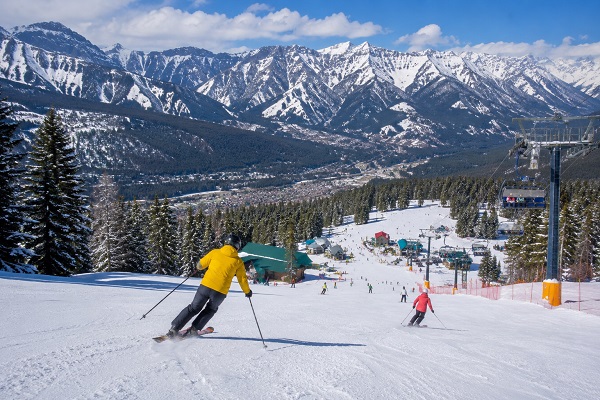
Ski tourism development has become one of the most dynamic segments of global travel, blending adventure, luxury hospitality, and sustainable mountain tourism. From the snowy peaks of the Alps to the rising ski resorts in Asia, this industry continues to expand rapidly due to improved infrastructure, climate-controlled facilities, and rising interest in winter sports.
What is Ski Tourism Development?
Ski tourism development refers to the planning, building, and expansion of ski resorts, winter sports facilities, and supporting infrastructure such as cable cars, hotels, and transport systems in mountainous and snowy regions. It includes both natural snow destinations and artificial ski environments.
Countries like Switzerland, France, and Japan are global leaders in ski tourism development due to their strong mountain geography and advanced tourism infrastructure.
Key Drivers of Ski Tourism Growth
Rising Adventure Tourism Demand
Modern travelers are increasingly seeking adventure experiences, and skiing offers both thrill and scenic beauty.
Infrastructure Expansion
New ski lifts, gondolas, snow-making machines, and luxury resorts are making ski destinations more accessible.
Luxury Tourism Integration
High-end chalets, spa resorts, and gourmet dining are transforming ski trips into luxury experiences.
Year-Round Mountain Tourism
Many ski destinations now offer summer activities like hiking and mountain biking to maintain year-round revenue.
Leading Ski Tourism Destination
Switzerland
The Swiss Alps are known for world-class ski resorts such as Zermatt and St. Moritz, offering premium skiing experiences.
France
France’s Alpine regions like Chamonix and Courchevel attract millions of international tourists annually.
Japan
Japan’s Niseko region is famous for powder snow, attracting skiers from Australia, Europe, and the USA.
Canada
Canadian Rockies provide vast ski terrain and long winter seasons.
United States
Colorado, Utah, and California are major ski tourism hubs with advanced resort infrastructure.
Sustainable Ski Tourism Development
With climate change affecting snowfall patterns, ski tourism is shifting toward sustainability:
Artificial snow production systems
Eco-friendly ski resorts
Renewable energy-powered lifts
Forest conservation in mountain regions
Carbon-neutral tourism initiatives
Sustainable ski tourism is essential for long-term industry survival.
Economic Impact of Ski Tourism
Ski tourism contributes significantly to:
Local employment in mountain regions
Hotel and hospitality growth
Transportation and aviation revenue
Sports equipment industries
Real estate development in alpine areas
It is also a key source of foreign exchange earnings for many countries.
Future of Ski Tourism Development
The future of ski tourism includes:
Indoor ski parks in non-snow countries
AI-managed ski resort operations
Smart ski passes and digital tracking systems
Climate-resilient ski infrastructure
Expansion in emerging destinations like Central Asia and Eastern Europe
Ski tourism is evolving into a tech-enabled, all-season global industry.