Travel and Education: Learning Beyond Borders
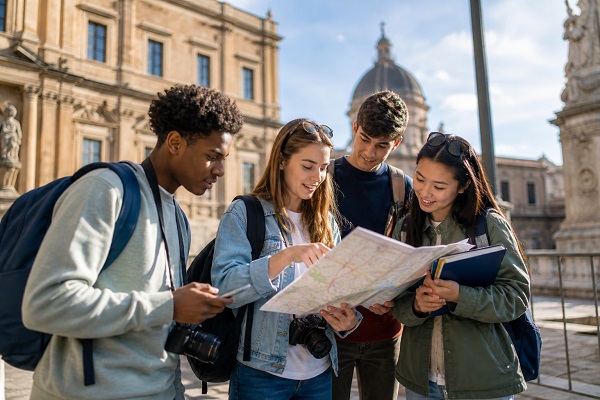
Travel and education are two powerful forces that, when combined, create transformative experiences. While traditional education happens within classrooms, travel expands learning into the real world—offering exposure to diverse cultures, languages, histories, and perspectives that no textbook can fully capture.
Learning Through Experience
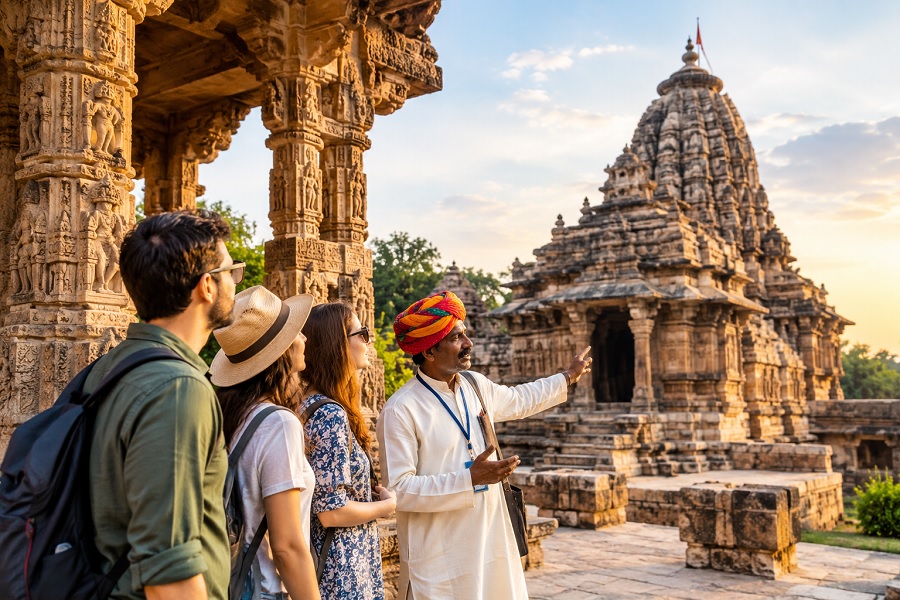
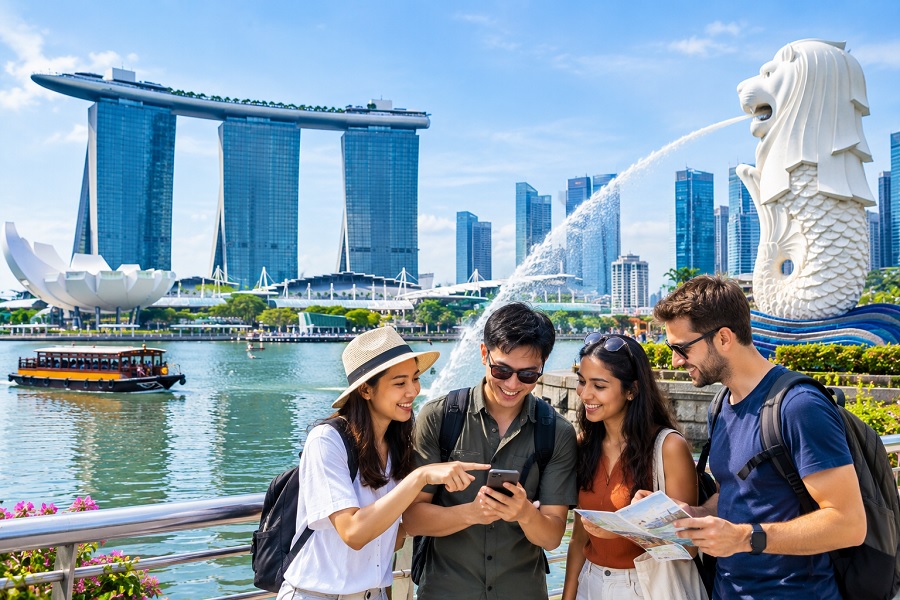
Travel allows individuals to step outside their comfort zones and engage directly with the world. Visiting historical landmarks, museums, and cultural sites helps learners connect theory with reality. For example, exploring ancient ruins or world heritage sites provides a deeper understanding of history than reading about them.
Experiential learning through travel also enhances critical thinking and problem-solving skills. Navigating unfamiliar places, adapting to new environments, and interacting with people from different backgrounds all contribute to personal and intellectual growth.
Study Abroad and Academic Opportunities
One of the most structured forms of educational travel is studying abroad. Students who participate in international education programs gain access to global academic systems, diverse teaching methods, and cross-cultural communication skills. These experiences often improve career prospects and build confidence.
Exchange programs, internships, and research opportunities abroad also help students develop a global mindset. They learn to collaborate with people from different cultures, which is an essential skill in today’s interconnected world.
Cultural Awareness and Global Perspective
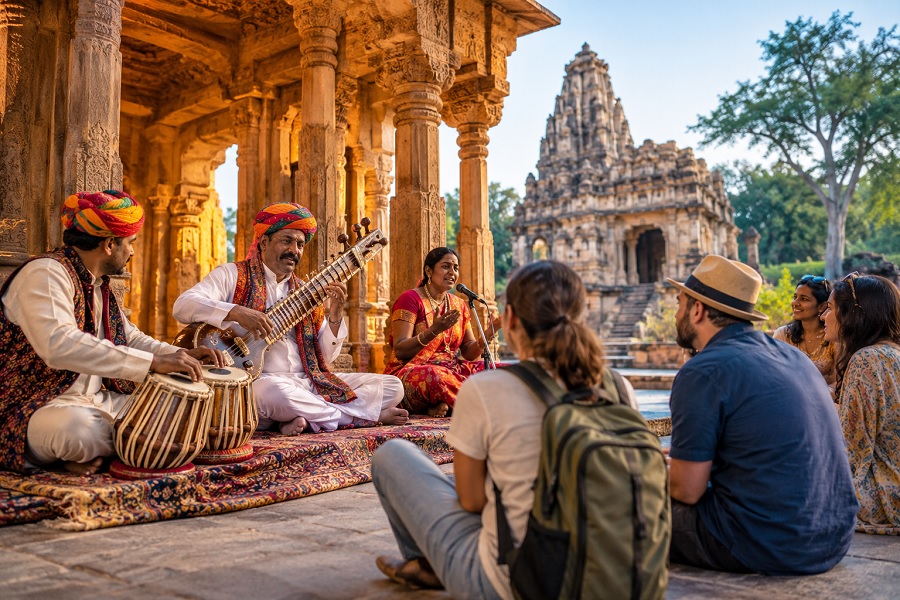
Travel plays a crucial role in fostering cultural awareness. By immersing themselves in different traditions, cuisines, and lifestyles, travelers develop empathy and respect for diversity. This cultural sensitivity is vital in reducing stereotypes and building global harmony.
Educational travel encourages individuals to see the world from multiple perspectives. It helps learners understand global issues such as climate change, economic inequality, and cultural preservation from a more informed and personal viewpoint.
Skill Development Through Travel
Travel contributes to the development of essential life skills, including:
Communication and language skills
Adaptability and resilience
Time management and planning
Social and interpersonal skills
Learning a new language becomes easier when practiced in a real-world environment. Similarly, interacting with locals enhances communication abilities and builds confidence.
Personal Growth and Independence
Travel challenges individuals to become more independent. Whether it's planning itineraries, managing budgets, or solving unexpected problems, travelers develop a sense of responsibility and self-reliance.
These experiences often lead to increased self-awareness and personal growth. Many travelers return with a clearer sense of purpose, broader perspectives, and a deeper appreciation for their own culture and others.
The Future of Travel and Education
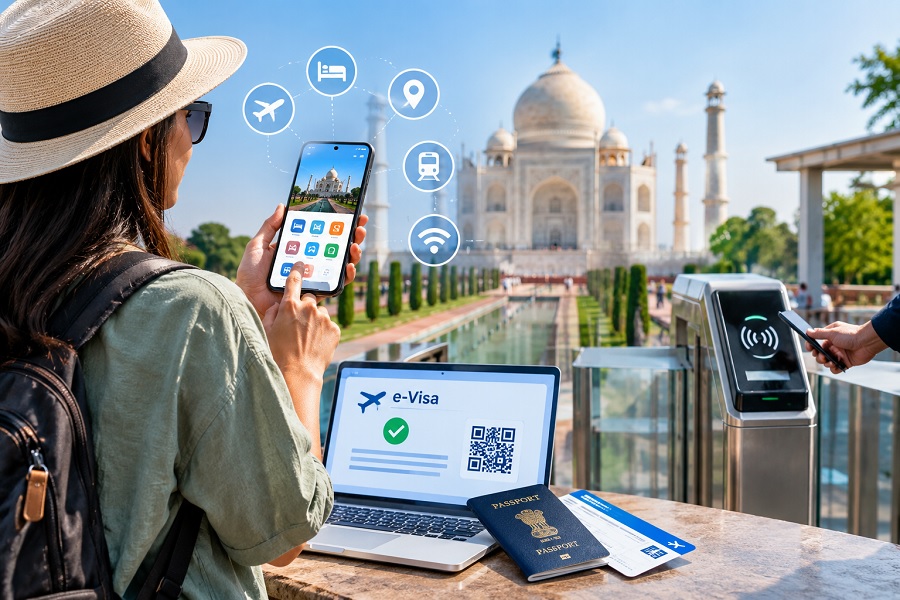
With advancements in technology, educational travel is evolving. Virtual tours, online exchange programs, and digital learning platforms are making global education more accessible. However, physical travel remains irreplaceable for its immersive and transformative impact.
As the world becomes more interconnected, the integration of travel and education will continue to grow. Institutions and individuals alike are recognizing the value of learning beyond borders.
Conclusion
Travel and education together create a powerful learning experience that goes far beyond traditional methods. By exploring the world, individuals gain knowledge, skills, and perspectives that shape them into informed, adaptable, and globally aware citizens.