Indian rupee, bonds face jolt from Middle East conflict-driven oil spike
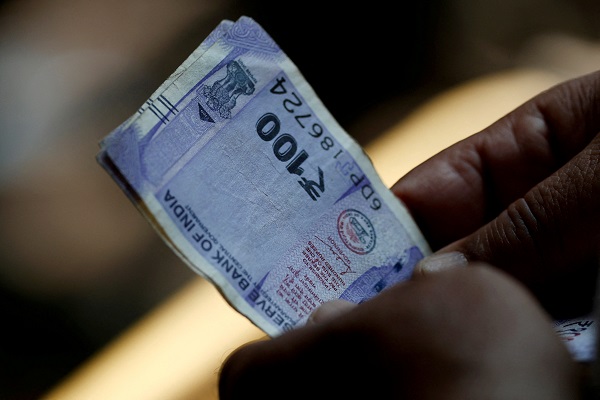
The Indian rupee and government bonds will kick off the last month of the financial year under pressure as the breakout of conflict in the Middle East sparked a sharp jump in oil prices and soured risk appetite in global markets.
The U.S. and Israel launched strikes on Iran over the weekend, killing Iran's supreme leader and plunging the Middle East into a new conflict that President Donald Trump said would end a security threat and give Iranians a chance to topple their rulers.
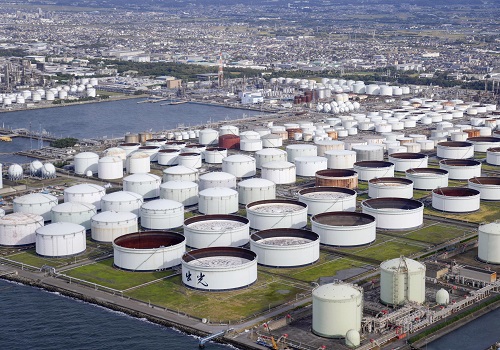
Oil prices jumped sharply in reaction, with traders and analysts anticipating a dash towards safe havens such as gold and the U.S. dollar.
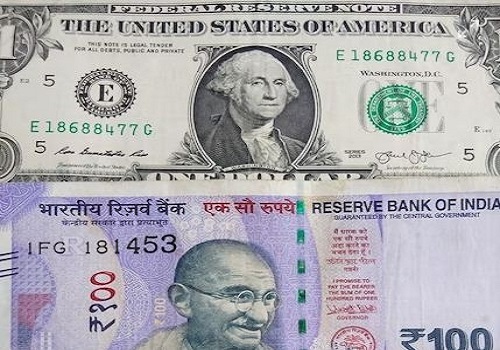
The rupee will have to contend with the pressure as well after closing just shy of the 91 per dollar mark on Friday, little changed week-on-week.
As a major oil importer, India remains exposed to the risk of sustained disruptions to oil supplies from the Middle East. Indian state refiners have already started scouting for alternative supplies, two sources told Reuters.
"The first order reaction to the weekend's escalation will likely see the dollar benefit on the back of higher energy prices and elevated risk aversion - to the tune of 0.5-1% for every 10% increase in oil," analysts at Barclays said in a note.
They continue to recommend a short rupee wager using non-deliverable forwards and reckon that it's a "matter of time before USD/INR tests 92."
The risk of prolonged conflict in the Middle East and the central bank's resolve in defending the currency will be in focus for the traders this week. Trump warned on Sunday that the U.S. would hit Iran "with a force that has never been seen before" if it strikes back after the attacks on it.
BONDS
The benchmark 10-year yield ended at 6.6601% on Friday, down 6 basis points for the week as demand improved on bets of more buying from banks and long-term investors in the last month of the financial year.
India's fiscal year runs from April through March.
However, after escalations in geopolitical events over the weekend, traders anticipate yields to spike this week. Traders expect the yield to move in a 6.65%-6.75% range this week.
"If the Middle East tensions persist, elevated oil prices would directly transmit into higher input costs and financial markets, and macro stability could deteriorate," Madhavi Arora, an economist at Emkay Global.
Meanwhile, traders expect the RBI to keep banking system liquidity conditions comfortable in the final month of the fiscal year after liquidity stayed above 1% of deposits through February, pushing yields lower across tenors.
"The RBI is not doing variable rate reverse repo auctions to suck out the excess liquidity. This ensures abundant liquidity and transmission of policy rates," Murthy Nagarajan, head of fixed income at Tata Mutual Fund, said.
"We like the front end of the yield curve up to five years."KEY EVENTS:
India
** February HSBC manufacturing PMI–March 2, Monday (10:30 a.m.)
** February HSBC services PMI – March 4, Wednesday (10:30 a.m.)U.S.
** February S&P Global manufacturing PMI final – March 2, Monday (8:15 p.m. IST)
** February ISM manufacturing PMI - March 2, Monday (8:30 p.m. IST)
** February S&P Global composite PMI final – March 4, Wednesday (8:15 p.m. IST)
** February S&P Global services PMI final - March 4, Wednesday (8:15 p.m. IST)
** February ISM non-manufacturing PMI–March 4, Wednesday (8:30 p.m. IST)** January import prices - March 5, Thursday (7:00 p.m. IST)
** Initial weekly jobless claims for the week to February 28–March 5, Thursday (7:00 p.m. IST)** January retail sales - March 5, Thursday (7:00 p.m. IST)
** February non-farm payroll and unemployment rate – March 6, Friday (7:00 p.m. IST)