India`s central bank approves 2.87 trillion rupee surplus transfer to government

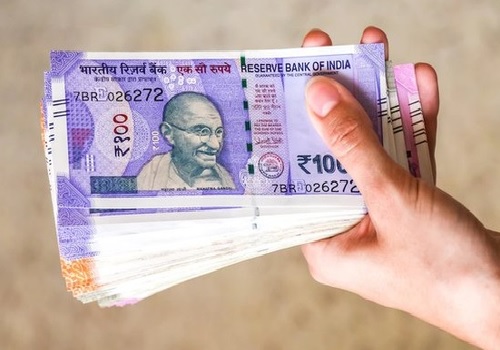
The Reserve Bank of India's board has approved the transfer of 2.87 trillion rupees ($29.99 billion) as surplus to the federal government for the last fiscal year, it said in a statement on Friday.
The surplus transfer is higher than last year's record 2.69 trillion rupees.
In the annual budget, the government had accounted for 3.16 trillion rupees in dividends from the RBI and state-owned financial institutions. New Delhi does not provide an estimate of the dividend from the central bank alone.
The RBI lowered its contingency risk buffer - funds kept aside to protect the central bank's finances from volatility - to 6.5% of its balance sheet from 7.5% in the previous year.
The central bank's economic capital framework allows for a risk buffer of between 4.5% and 7.5%, with a final decision left to its board.
A Reuters poll of economists had pegged the surplus transfer at 2.9 trillion rupees to 3.2 trillion rupees.
The lower-than-expected dividend is likely to hurt bond markets, which are expecting the federal government's budget deficit to rise.
The government has cut federal taxes on fuels to protect domestic consumers from the surge in crude prices. Expenditure on subsidies for goods such as fertilisers is also expected to rise.
The Reuters poll cited above pegged the fiscal deficit at 4.7% of gross domestic product this fiscal year, more than last year's 4.4% and above the government's 4.3% target. Some economists say the deficit could rise to as much as 5% of GDP.
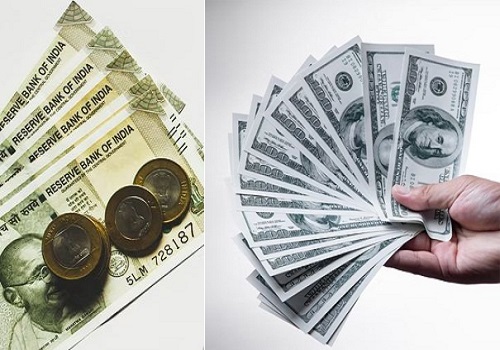
($1 = 95.6900 Indian rupees)