U.S. Cotton Exports Cut; Global Stocks Rise by Amit Gupta, Kedia Advisory
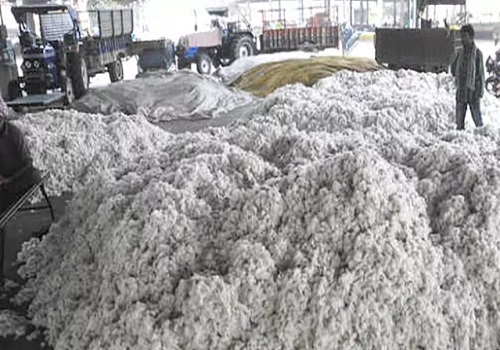
The 2025/26 U.S. cotton balance sheet saw minor revisions, with exports reduced by 200,000 bales due to slow sales and ending stocks raised accordingly, lifting the stocks-to-use ratio to 32%. Production and mill consumption remain unchanged, while the season-average upland farm price is trimmed to 60 cents per pound. Globally, cotton production is revised higher, led by gains in China and South Africa, though partially offset by lower output in Argentina and Mexico. Consumption and trade are slightly reduced, but global ending stocks increase to 75.1 million bales, pushing the stocks-to-use ratio to 63%.
Key Highlights
* U.S. cotton exports cut by 200,000 bales on weak sales
* U.S. ending stocks rise; stocks-to-use ratio at 32%
* Upland farm price lowered to 60 cents per pound
* Global production revised higher, led by China and South Africa
* World ending stocks increase to 75.1 million bales
The 2025/26 U.S. cotton outlook reflects only modest adjustments this month, primarily on the trade front. Export projections have been reduced by 200,000 bales amid sluggish sales activity, leading to a corresponding increase in ending stocks. As a result, the U.S. ending stocks-to-use ratio is now projected at 32%, indicating relatively comfortable supply conditions. Production, beginning stocks, and domestic mill use remain unchanged, suggesting stability on the supply and demand sides. The season-average upland farm price has been trimmed slightly by 1 cent to 60 cents per pound, reflecting softer export momentum.
At the global level, the cotton balance sheet shows a slightly more notable shift. World production for 2025/26 is revised higher by 425,000 bales, supported by increased output in China and South Africa. However, these gains are partially offset by lower production estimates for Argentina and Mexico.
Global consumption is reduced by 200,000 bales, largely due to a 100,000-bale cut for Pakistan along with smaller reductions in other countries. World trade is also lowered by 60,000 bales, as declines in U.S. exports are offset by adjustments in Australia and minor changes elsewhere.
Revisions to historical data for Mali, Afghanistan, and Mexico result in a negligible reduction in beginning stocks. Overall, global ending stocks for 2025/26 are raised by nearly 630,000 bales to 75.1 million bales. This pushes the global ending stocks-to-use ratio to 63%, highlighting ample supply conditions in the international cotton market.
With rising global stocks and softer trade projections, the 2025/26 cotton market reflects comfortable supply levels, keeping price pressures subdued despite regional production adjustments.
Above views are of the author and not of the website kindly read disclaimer