Traditional Drinks of Different Countries: A Taste of Culture in Every Sip
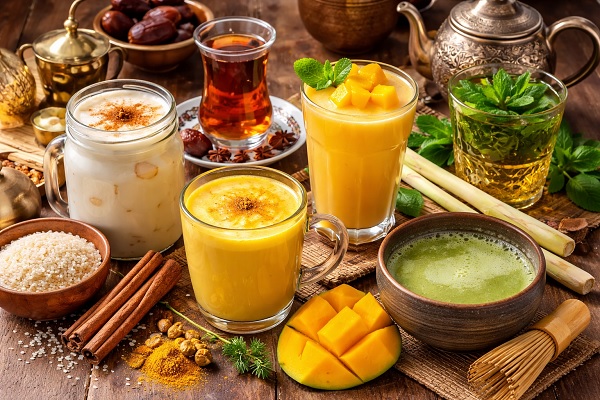
Traveling the world is not just about exploring landscapes and monuments—it’s also about experiencing cultures through their unique flavors. One of the most authentic ways to connect with a destination is by tasting its traditional drinks. From soothing teas to strong spirits, every country offers beverages that reflect its history, climate, and lifestyle.
A Global Journey Through Traditional Drinks
Every region has its signature drink, often rooted in centuries-old traditions. In India, chai (spiced tea) is more than just a beverage—it’s a daily ritual that brings people together. Made with tea leaves, milk, sugar, and aromatic spices like cardamom and ginger, chai is a symbol of warmth and hospitality.
Moving to Japan, matcha stands out as a cultural icon. This finely ground green tea powder is used in traditional tea ceremonies and is valued for its calming effect and health benefits. It represents mindfulness and precision in Japanese culture.
In Mexico, horchata is a refreshing, sweet drink made from rice, milk, cinnamon, and sugar. It’s especially popular in hot climates and pairs perfectly with spicy foods. Similarly, Brazil offers guaraná-based drinks, derived from native Amazonian fruit, known for their energy-boosting properties.
Europe’s Rich Beverage Heritage
European countries are renowned for their classic beverages. Italy is famous for espresso, a strong and concentrated coffee that forms the backbone of Italian coffee culture. Meanwhile, France is globally recognized for its fine wines, with each region producing distinct flavors influenced by local terroir.
In Germany, traditional beer is a cultural staple, especially during festivals like Oktoberfest. Brewed using age-old methods, German beer reflects precision and pride in craftsmanship.
Asia’s Diverse Drink Traditions
Asia offers a wide variety of traditional beverages. In China, tea culture dates back thousands of years, with varieties like oolong and pu-erh carrying deep cultural significance. Thailand is known for its iced Thai tea, a sweet and creamy drink with a vibrant orange color.
In the Middle East, drinks like Turkish coffee and mint tea are central to social gatherings. These beverages are often served as a gesture of hospitality and respect.
Unique Drinks from Around the World
Some countries offer truly unique traditional drinks. In Peru, chicha morada is a non-alcoholic beverage made from purple corn, flavored with fruits and spices. In South Korea, makgeolli is a slightly sweet, milky rice wine that has been enjoyed for centuries.
African countries also have distinctive drinks, such as hibiscus tea (known as bissap in West Africa), which is both refreshing and rich in antioxidants.
Cultural Significance of Traditional Drinks
Traditional drinks are more than just refreshments—they tell stories of heritage, climate, and local ingredients. They often play a role in festivals, ceremonies, and daily life. Whether it’s sharing tea with family or celebrating with a local brew, these beverages create memorable experiences for travelers.
Conclusion
Exploring traditional drinks from different countries is like taking a flavorful journey across the globe. Each sip offers insight into a culture’s identity and traditions. So, the next time you travel, don’t just taste the food—raise a glass to the local drinks and immerse yourself in the true spirit of the destination.