Sports Tourism in India: Stadiums, Events, and Experiences
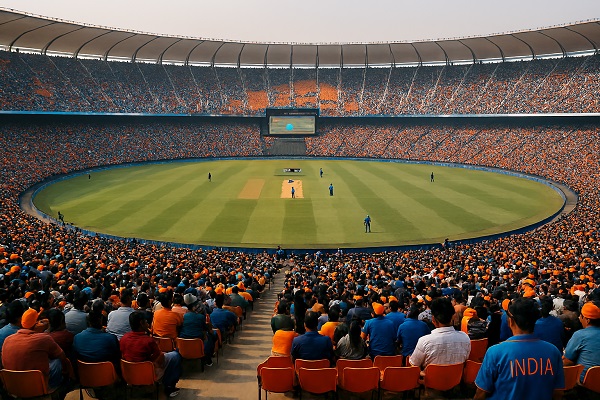
Sports tourism in India is gaining rapid momentum as the country emerges as a global hub for major sporting events, iconic stadiums, and immersive fan experiences. From cricket-packed arenas to international marathons and traditional sports festivals, India offers travelers a unique blend of competition, culture, and celebration. This growing tourism segment not only attracts sports enthusiasts but also contributes significantly to local economies and destination branding.
The Rise of Sports Tourism in India
Traditionally, India has been known for leisure, heritage, and spiritual tourism. However, over the last decade, sports tourism has carved out its own space. With improved infrastructure, international-standard venues, and successful hosting of global tournaments, India is now drawing both domestic and international travelers who plan trips around sporting events.
Government initiatives, private investments, and league-based sports formats have played a key role in transforming sports into a travel experience rather than just a spectator activity.
Iconic Stadiums as Tourist Attractions
Indian stadiums are no longer just match venues—they are landmarks in themselves.
Cricket stadiums like Narendra Modi Stadium in Ahmedabad, Eden Gardens in Kolkata, and Wankhede Stadium in Mumbai attract thousands of visitors even outside match days. Guided tours, museums, and behind-the-scenes experiences allow fans to relive historic moments.
Beyond cricket, venues such as Jawaharlal Nehru Stadium in Delhi, Kalinga Stadium in Bhubaneswar, and Sree Kanteerava Stadium in Bengaluru host football, hockey, athletics, and multi-sport events, turning cities into temporary sports capitals during tournaments.
Major Sporting Events Driving Travel
India hosts a wide range of national and international sporting events that significantly boost tourism.
The Indian Premier League (IPL) is a prime example, drawing fans from across the world who travel city to city following their favorite teams. Similarly, Pro Kabaddi League, Indian Super League (football), and Hockey India League have created dedicated fan tourism circuits.
International events such as cricket World Cups, Asian Games qualifiers, Formula 1 races (earlier), and global badminton and wrestling championships further enhance India’s sports tourism appeal.
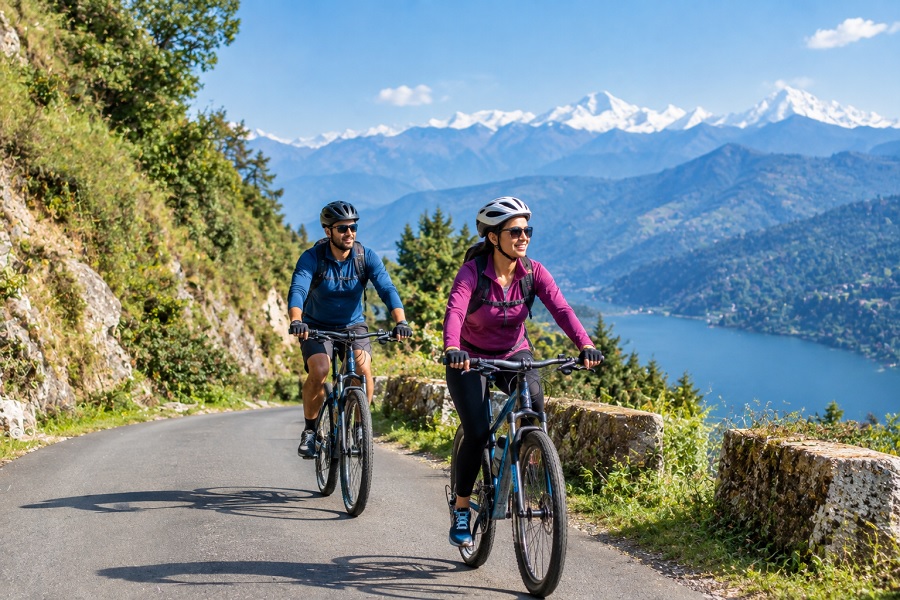
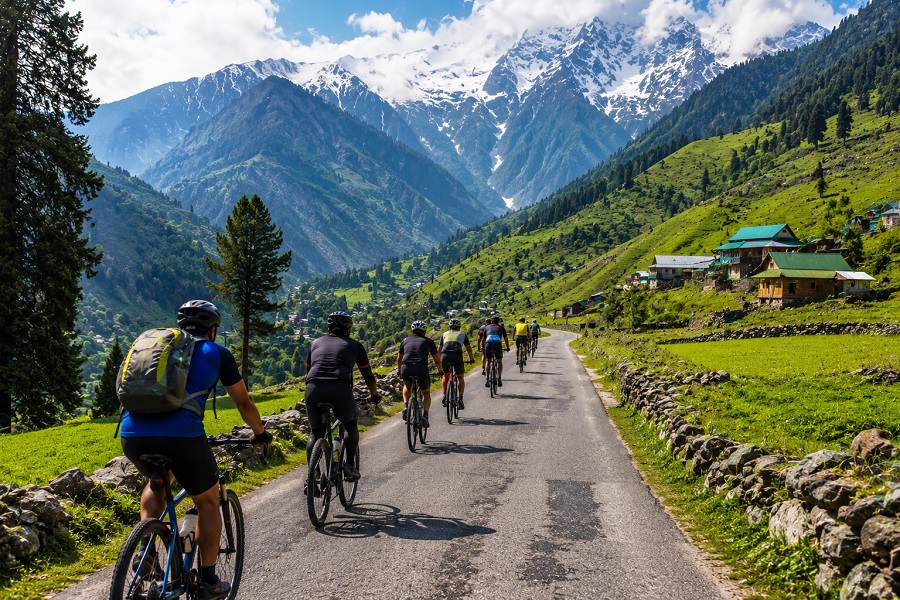
Marathons, cycling tours, and adventure races—like the Mumbai Marathon, Ladakh Marathon, and Ironman Goa—also attract fitness travelers who combine competition with sightseeing.
Experiential Travel Beyond the Stadium
Sports tourism in India goes beyond watching matches. Travelers are increasingly seeking hands-on experiences.
These include sports academies offering short-term training programs, cricket net sessions for amateurs, football camps, golf tourism, and adventure sports like skiing in Gulmarg or water sports in Goa and Andaman.
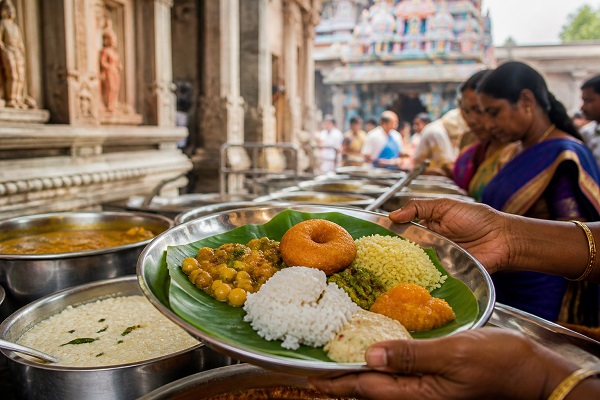
Local culture plays a strong role too—fans enjoy regional cuisine, city tours, fan zones, merchandise markets, and post-match celebrations, making the trip a holistic experience.
Economic and Social Impact
Sports tourism generates employment across hospitality, transport, event management, and local businesses. Hotels, restaurants, travel agencies, and small vendors benefit from increased footfall during events.
It also helps promote lesser-known cities like Ranchi, Guwahati, Raipur, and Bhubaneswar, putting them on the global sports map. Additionally, sports tourism encourages youth participation, infrastructure development, and community engagement.
Challenges and the Road Ahead
Despite its growth, sports tourism in India faces challenges such as crowd management, ticket accessibility, last-mile connectivity, and sustainable event planning. Addressing these issues through better planning, digital solutions, and eco-friendly practices will be crucial.
With India bidding for more international tournaments and investing in world-class facilities, the future of sports tourism looks promising. As fans increasingly seek travel experiences centered around passion and participation, India is well-positioned to become a leading sports tourism destination.
Conclusion
Sports tourism in India is more than just watching a game—it’s about experiencing the energy of packed stadiums, celebrating victories with locals, and exploring destinations through the lens of sport. As stadiums become attractions and events become travel experiences, sports tourism is set to play a defining role in shaping India’s tourism landscape.