The Legacy of Mughal Architecture in India
Mughal architecture stands as one of India’s most remarkable contributions to world heritage, reflecting a fusion of Islamic, Persian, Turkish, and Indian architectural styles. Flourishing between the 16th and 18th centuries, the Mughal Empire left behind iconic structures that continue to mesmerize travelers and historians alike.
Key Features of Mughal Architecture
Mughal architecture is renowned for its symmetry, intricate ornamentation, and grandiose scale. Common elements include large domes, slender minarets, expansive courtyards, delicate jali (lattice) work, and extensive gardens. The interplay of red sandstone and white marble is also a hallmark of this style, symbolizing both power and elegance.
Famous Mughal Monuments
Taj Mahal, Agra – Undoubtedly the most celebrated example, this white marble mausoleum built by Shah Jahan for Mumtaz Mahal is a UNESCO World Heritage site and a symbol of eternal love.
Red Fort, Delhi – A fortified palace complex that reflects Mughal military prowess and architectural finesse.
Fatehpur Sikri, Uttar Pradesh – A planned city that served as the Mughal capital, known for its grand palaces, mosques, and public buildings.
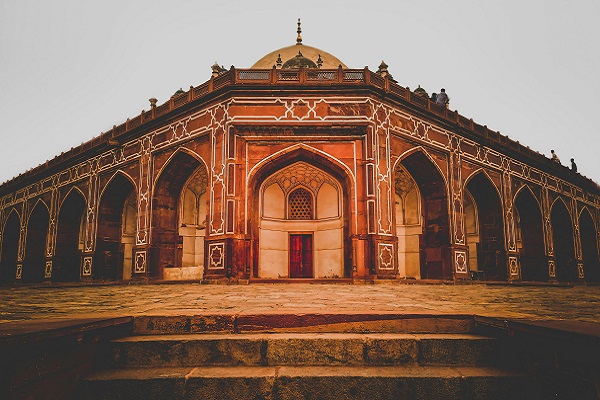
Humayun’s Tomb, Delhi – The precursor to the Taj Mahal, it showcases early Mughal architectural style with Persian influences.
Jama Masjid, Delhi – One of the largest mosques in India, representing both spiritual devotion and architectural grandeur.
Gardens and Urban Planning
Mughal architecture extended beyond buildings to the planning of gardens and urban spaces. The concept of Charbagh, a quadrilateral garden divided by walkways or flowing water, symbolized paradise on earth. Such gardens complemented monuments like the Taj Mahal and Humayun’s Tomb, adding serenity and aesthetic balance.
Influence and Legacy
The Mughal architectural legacy profoundly influenced Indian architecture for centuries, shaping later structures in Rajasthan, Hyderabad, and beyond. Modern India continues to celebrate these monuments, attracting millions of tourists, architects, and historians every year.
From palaces to mosques, forts to gardens, Mughal architecture remains a testimony to India’s rich cultural heritage, blending artistry, history, and innovation in a timeless manner.