Spiritual Traditions Along the Ghats of Varanasi
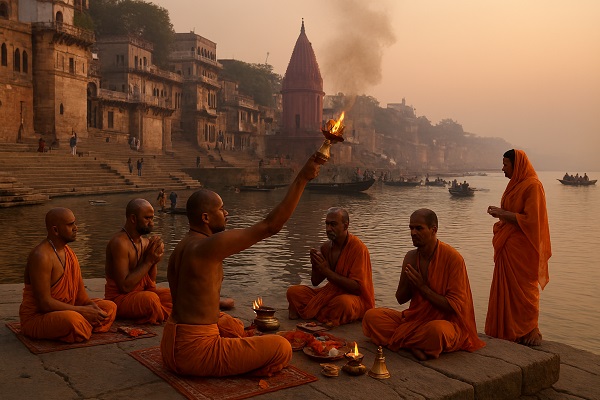
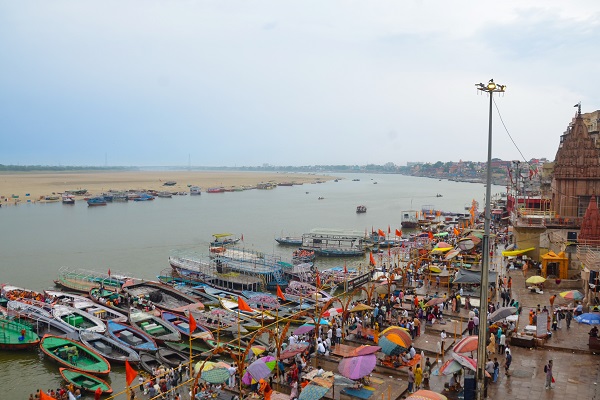
Spiritual traditions come alive every day along the ghats of Varanasi, one of the world’s oldest continuously inhabited cities. Set on the banks of the sacred Ganges River, this ancient city has drawn pilgrims, seekers, and travelers for centuries. For many Hindus, a visit here is more than a journey. It is a deeply personal act of faith tied to purification, devotion, and the cycle of life and death.
At sunrise, the ghats begin to stir with quiet rituals. Devotees descend the stone steps to bathe in the river, believing its waters cleanse both body and spirit. Priests chant mantras while offering flowers and lamps to the flowing current. Among the most revered sites is the Kashi Vishwanath Temple, dedicated to Lord Shiva. Pilgrims often combine a temple visit with their river rituals, weaving together prayer, meditation, and offerings in a seamless spiritual rhythm.
As evening approaches, the atmosphere shifts into a shared public ceremony known as the Ganga Aarti. Large oil lamps flicker against the darkening sky as priests perform synchronized movements accompanied by bells and hymns. Visitors gather along the ghats or watch from boats drifting on the river, witnessing a ritual that blends sound, light, and devotion. The ceremony is not staged for spectacle. It is a living tradition passed down through generations, reflecting the city’s enduring spiritual heartbeat.
Beyond the major ceremonies, everyday life along the ghats reveals quieter moments of reflection. Ascetics sit in meditation, families conduct rites for their ancestors, and locals carry on daily routines shaped by centuries of custom. Walking these riverfront steps offers a rare glimpse into a culture where spirituality is not confined to temples but flows through ordinary life. In Varanasi, the sacred and the everyday exist side by side, inviting visitors to slow down and observe a tradition that continues to shape the soul of the city.