Solo Waterfall Trekking Adventures
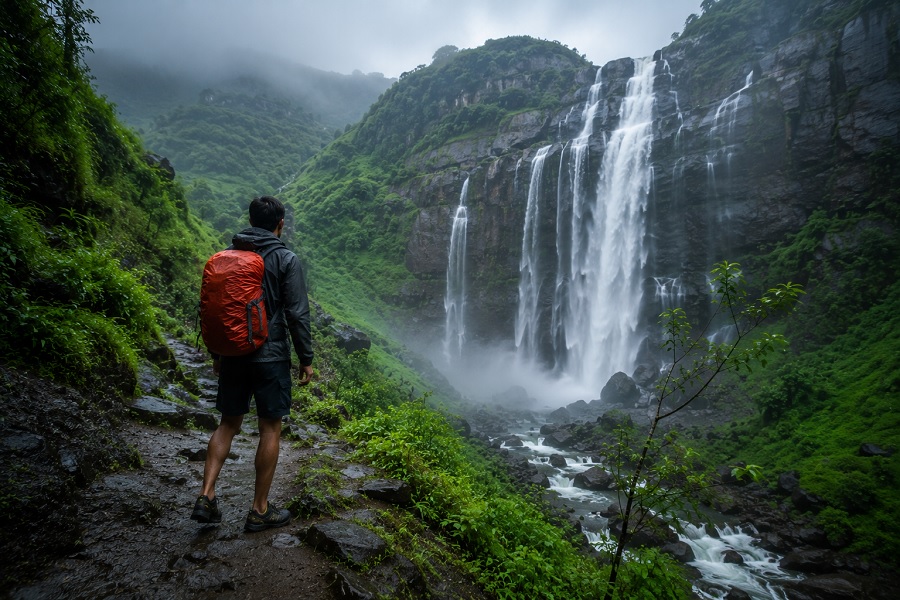
Solo Waterfall Trekking Adventures
Solo waterfall trekking is an exciting way to combine adventure, nature, and personal exploration. During the rainy season, forests become greener, streams come alive, and waterfalls transform into spectacular natural attractions. For solo travelers, these journeys offer the freedom to explore at their own pace while enjoying peaceful moments away from busy cities.
From the Western Ghats of India to the lush landscapes of Northeast India, solo waterfall trekking can be a memorable experience. However, traveling alone requires additional preparation. Weather conditions, slippery trails, rising water levels, and limited connectivity can create challenges, so safety should always be a priority.
Why Choose a Solo Waterfall Trek?
One of the biggest advantages of solo trekking is freedom. You can decide when to start, how long to explore, and how much time to spend enjoying the scenery. Without a fixed group schedule, you can pause for photography, observe wildlife, or simply sit quietly and listen to the sound of flowing water.
Solo trekking can also provide an opportunity for personal growth. Navigating a trail independently can build confidence, improve decision-making skills, and create a stronger connection with nature.
For many travelers, the experience is less about reaching a destination quickly and more about enjoying the journey.
Best Destinations for Solo Waterfall Trekking
Western Ghats
The Western Ghats are among India's most popular regions for waterfall adventures. During the monsoon, the mountains become covered in greenery, while streams and waterfalls create dramatic landscapes.
Maharashtra, Karnataka, Kerala, and Goa all offer different types of waterfall experiences. Solo travelers can find short nature walks as well as more challenging trekking routes.
Meghalaya
Meghalaya is known for its spectacular rainfall, forests, caves, and waterfalls. The region offers a unique environment for adventurous solo travelers who enjoy exploring natural landscapes.
Because some trails can be remote and challenging, solo visitors should consider local guides for unfamiliar routes and always check current weather and trail conditions.
Kerala
The forests and hills of Kerala provide beautiful opportunities for nature-based adventures. Regions such as Wayanad and Idukki are known for lush landscapes, streams, and waterfalls.
A solo waterfall trek can be combined with a stay at a responsible homestay or eco-friendly accommodation, creating a broader nature and cultural experience.
Karnataka
Karnataka's Western Ghats offer a variety of trekking experiences. Solo travelers can explore forest trails, mountain paths, and waterfall areas while enjoying the region's rich biodiversity.
Many destinations can be combined with visits to coffee plantations, local villages, and scenic viewpoints.
Plan Your Solo Waterfall Adventure
Good preparation is especially important when trekking alone. Before starting your trip, research the route, distance, difficulty level, weather forecast, and local regulations.
Share your itinerary with a family member or trusted friend. Tell them where you are going, when you expect to return, and how they can contact you in an emergency.
For remote trails, consider hiring a local guide even if you are an experienced traveler. A guide can provide valuable knowledge about terrain, water conditions, wildlife, and changing weather.
Choose the Right Trek
Solo travelers should select a trail according to their fitness level and experience. Beginners should start with well-marked and popular trails rather than attempting difficult or isolated routes.
Before choosing a trek, consider:
Trail difficulty
Trek duration
Distance from the nearest town
Mobile network availability
Weather conditions
Emergency access
Water crossings
Local safety regulations
Availability of guides
A shorter, well-established route can often provide a better solo experience than a challenging trail that requires a large group.
What to Pack for a Solo Waterfall Trek
A lightweight but practical backpack is essential. Useful items include:
Comfortable trekking shoes with strong grip
Lightweight rain jacket or poncho
Waterproof backpack cover
Extra socks and quick-drying clothes
Drinking water
Energy snacks
Basic first-aid kit
Personal medicines
Flashlight or headlamp
Fully charged mobile phone
Power bank
Waterproof bags for electronics
Insect repellent
Sunscreen
Navigation tools or offline maps
Identification documents
Emergency contact information
Avoid carrying unnecessary equipment. A lighter backpack makes trekking more comfortable, especially on steep or slippery trails.
Waterfall Safety for Solo Travelers
Waterfalls can be beautiful but dangerous, especially during the monsoon. Water levels can rise quickly after rainfall, and strong currents may not be visible from the surface.
Solo travelers should never enter restricted areas or attempt to cross fast-flowing streams. Avoid climbing wet rocks, standing directly beneath powerful waterfalls, or swimming in unfamiliar pools.
If the weather suddenly becomes severe, return to a safe location rather than continuing the trek. A beautiful waterfall is never worth risking your safety.
Protect Your Electronics
Rain and humidity can damage smartphones, cameras, and other electronic equipment. Use waterproof pouches or dry bags to protect valuable items.
A smartphone can be useful for navigation and emergency communication, but do not depend entirely on mobile connectivity. Some remote trekking routes may have limited or no network coverage.
Download maps before starting the trek and keep important emergency information available offline.
Take Time for Photography
Solo waterfall trekking provides excellent opportunities for nature photography. You can capture flowing water, misty forests, mountain landscapes, and dramatic clouds without having to follow a group's schedule.
However, photography should always be secondary to safety. Avoid moving onto unstable rocks or dangerous edges just to capture a better image.
A tripod can be useful for landscape photography, but solo travelers may prefer a lightweight setup to reduce the weight of their backpack.
Enjoy the Journey, Not Just the Destination
One of the best things about solo trekking is the ability to slow down. Instead of rushing toward the waterfall, take time to appreciate the surroundings.
Listen to birds, observe plants, watch clouds move across the hills, and enjoy the sound of streams. These small moments can make the journey more memorable.
Solo trekking can also be an opportunity for a digital detox. Taking a break from constant notifications and social media can help you reconnect with yourself and nature.
Combine Trekking With Local Experiences
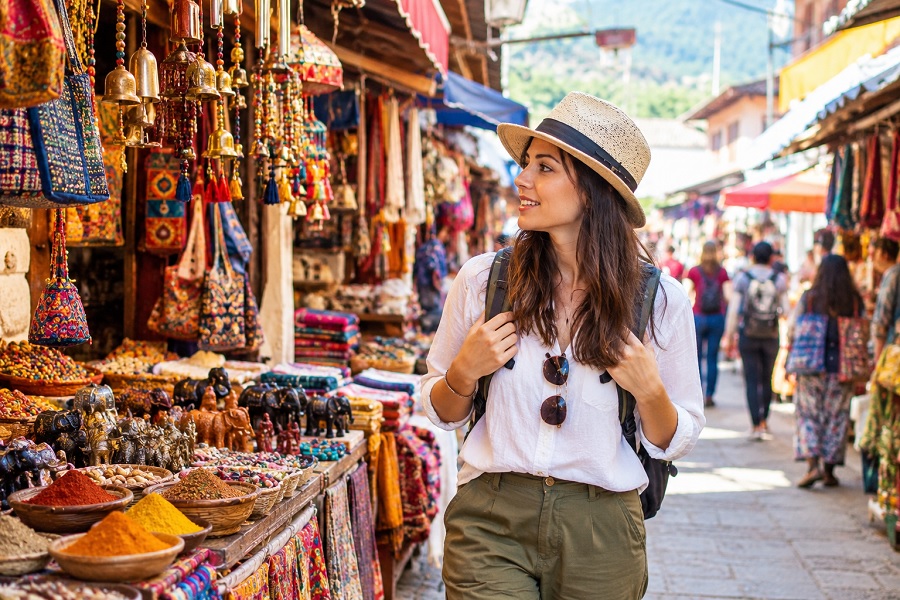
A waterfall trek can become part of a larger travel experience. Solo travelers can explore nearby villages, try regional food, visit local markets, or stay in a family-run homestay.
Responsible tourism can help local communities benefit from tourism. Choosing local guides, homestays, and small businesses can contribute directly to the local economy.
Practice Responsible Solo Trekking
Nature destinations need to be protected for future generations. Solo trekkers should follow the principles of responsible travel.
Carry all waste back with you, avoid single-use plastic where possible, and never leave food packaging on trails. Do not disturb wildlife or damage plants.
Stay on designated trails and respect local communities and cultural traditions. If camping is permitted, follow all local rules and leave the site clean.
Solo Waterfall Trekking for Different Travelers
Beginners
Start with short, well-maintained trails near established tourist destinations. Choose routes with clear signage and reliable access to emergency services.
Experienced Trekkers
Experienced hikers can explore longer routes, but should still check weather conditions and inform someone about their itinerary.
Solo Photographers
Choose destinations with scenic viewpoints and safe photography areas. Carry lightweight camera equipment and protect it from rain.
Wellness Travelers
Combine a gentle waterfall trek with meditation, nature walks, yoga, or a peaceful stay in an eco-friendly retreat.
Adventure Seekers
More experienced solo travelers may enjoy challenging routes, but difficult or remote treks are often safer with a professional guide or trekking group.
Final Thoughts
Solo waterfall trekking adventures offer a wonderful opportunity to explore nature independently. The combination of green forests, mountain trails, flowing streams, and spectacular waterfalls can create unforgettable memories.
The key to a successful solo trek is preparation. Choose the right route, check the weather, carry essential equipment, share your itinerary, and respect local safety guidelines. Most importantly, never underestimate the power of nature during the rainy season.
Whether you are exploring the Western Ghats, the forests of Meghalaya, or the hills of Kerala and Karnataka, a solo waterfall trek can be more than an adventure. It can be a chance to slow down, build confidence, discover new landscapes, and reconnect with the natural world.