Solar-Powered Cars: Myths vs Reality – Debunking the Future of Eco-Driving
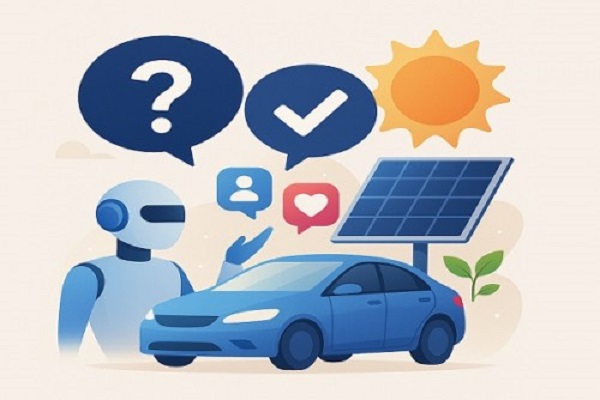
As the world shifts towards sustainable energy solutions, solar-powered cars have emerged as a futuristic vision for eco-friendly transportation. Touted as the ultimate green alternative to gasoline and electric vehicles, these cars promise zero emissions and reduced dependency on fossil fuels. However, along with excitement, there are several misconceptions surrounding solar-powered vehicles. Let’s separate myths from reality and explore what the future of solar-driven transportation really looks like.
Myth 1: Solar Cars Can Drive Anywhere Like Regular Cars
Many people assume that solar-powered cars can travel indefinitely without charging. Reality: Current solar panels can only generate limited energy. While they can power small distances or supplement battery charging, most solar cars still rely on battery storage or hybrid systems for long journeys. Complete solar-only propulsion is not yet feasible for heavy or high-speed vehicles.
Myth 2: Solar Cars Are Expensive and Unaffordable
The perception that solar-powered vehicles are prohibitively expensive is partially true. Solar technology, especially high-efficiency panels, is costly. Reality: Prices are gradually decreasing as technology matures, and hybrid solar-electric models are becoming more accessible. Governments and manufacturers are also offering incentives to promote green vehicles, making them more affordable for eco-conscious consumers.
Myth 3: Solar Cars Are Slow and Impractical
Skeptics often think solar cars are slow and not suitable for everyday use. Reality: Modern solar cars, especially prototypes in competitions like the World Solar Challenge, can reach competitive speeds and handle real-world conditions. While consumer-ready models may not yet match the performance of top-tier electric cars, technology improvements are steadily bridging this gap.
The Real Advantages of Solar-Powered Cars
Despite the myths, solar cars have compelling benefits:
Reduced Carbon Footprint: Solar energy is renewable and clean, decreasing reliance on electricity from fossil fuels.
Lower Running Costs: Sunlight is free, which can reduce charging costs significantly.
Sustainability: Solar cars represent a step towards energy-independent transportation, promoting environmental responsibility.
Challenges Ahead
Energy Efficiency: Current solar panels cannot fully power large vehicles for long distances.
Weather Dependence: Solar cars are less effective in cloudy or rainy conditions.
Infrastructure: Widespread adoption requires supporting infrastructure for solar-charging and integration with electric grids.
The Future of Solar Driving
While fully solar-powered cars for daily use may still be years away, hybrid systems combining solar panels with electric batteries are already on the roads. Companies are experimenting with solar roofs for EVs to extend mileage, reduce charging frequency, and enhance energy efficiency. Innovations in photovoltaic efficiency and lightweight materials suggest a promising path for solar-assisted eco-driving in the near future.
Final Thoughts
Solar-powered cars are no longer just science fiction; they are a realistic step toward sustainable mobility. While myths about unlimited solar propulsion and ultra-affordability need debunking, the technology is steadily progressing. By understanding the realities and challenges, consumers and innovators can better support the growth of solar-assisted vehicles and contribute to a greener, cleaner future.