Travel Planning Tips for a Stress-Free Vacation

A vacation is supposed to be a break from your routine, but poor planning can sometimes turn a relaxing trip into a stressful experience. From last-minute bookings and overpacked itineraries to unexpected expenses and forgotten essentials, small mistakes can affect the entire travel experience.
The good news is that a little preparation can make a big difference. Whether you are planning a weekend getaway, a family holiday, a solo trip, or an international vacation, these practical travel planning tips can help you enjoy a smoother and more stress-free journey.
1. Decide Your Travel Goals First
Before booking anything, decide what you actually want from the vacation.
Do you want to relax on a beach, explore historical places, experience local food, enjoy adventure activities, or simply spend quality time with family?
Knowing your travel goals helps you choose the right destination and prevents you from trying to do too many things during one trip.
2. Set a Realistic Budget
Creating a travel budget before booking your trip can prevent unpleasant financial surprises later.
Consider expenses such as:
* Flights or train tickets
* Hotel or accommodation
* Local transportation
* Food and drinks
* Sightseeing and activities
* Shopping
* Travel insurance
* Emergency expenses
Keep some additional money aside for unexpected costs. A small emergency buffer can give you greater peace of mind while travelling.
3. Choose the Right Time to Travel
The timing of your vacation can significantly affect both your experience and your expenses.
Research the destination's:
* Weather conditions
* Peak tourist season
* Off-season periods
* Local festivals and events
* Public holidays
* School holiday periods
Travelling during shoulder or off-peak seasons can sometimes mean fewer crowds and better prices, although weather and attraction availability should always be checked before making plans.
4. Research Your Destination
Don't rely only on social media photos when selecting a destination.
Research the places you plan to visit and learn about local transportation, popular attractions, neighbourhoods, food options, cultural practices, and basic safety considerations.
Also check whether attractions require advance reservations or have specific opening days and timings.
The more familiar you are with the destination, the less time you will spend figuring things out after you arrive.
5. Don't Create an Overpacked Itinerary
One of the biggest travel-planning mistakes is trying to visit too many places in too little time.
A packed schedule may look exciting on paper, but constantly rushing from one attraction to another can leave you exhausted.
Instead, leave some free time between activities. This gives you flexibility to:
* Rest at your hotel
* Explore local areas
* Enjoy an unexpected experience
* Handle delays
* Change plans if the weather turns bad
A good vacation should have room for spontaneity.
6. Book Important Things in Advance
For popular destinations, booking essential travel arrangements early can reduce stress.
Depending on your trip, consider booking:
* Transportation
* Accommodation
* Airport transfers
* Popular attractions
* Guided tours
* Special activities
However, avoid pre-booking every single hour of your trip. Keep a balance between preparation and flexibility.
7. Choose Accommodation Carefully
Your hotel can have a major impact on your overall travel experience.
Don't look only at the room photos. Check the property's location, transportation access, guest reviews, available facilities, cancellation policy, and additional charges.
A slightly more expensive hotel in a convenient location may sometimes save money and time on daily transportation.
8. Pack According to the Destination
Overpacking can make travelling unnecessarily difficult.
Before packing, check the expected weather and plan your clothes accordingly.
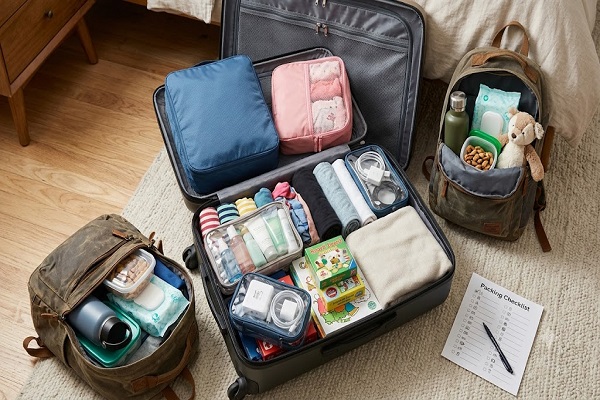
A basic packing checklist can include:
* Comfortable clothing
* Appropriate footwear
* Toiletries
* Chargers and power banks
* Travel documents
* Necessary medications
* Sunglasses
* Reusable water bottle
* Small first-aid essentials
* Copies of important documents
Pack according to your actual needs rather than taking everything you might possibly use.
9. Keep Travel Documents Organised
Important documents should be easily accessible throughout your journey.
Depending on your destination, you may need:
* Passport
* Visa
* Identity documents
* Flight or train tickets
* Hotel confirmations
* Travel insurance details
* Driving licence
* Emergency contact information
Keep digital copies of important documents in a secure location as a backup.
10. Plan Your Transportation
Transportation can become one of the most stressful parts of a vacation if it isn't researched beforehand.
Understand how you will travel between the airport, hotel, tourist attractions, and other destinations.
Research whether local taxis, buses, trains, metro systems, rental cars, or app-based transportation are available.
For road trips, also consider fuel stations, tolls, parking, road conditions, and rest stops.
11. Download Useful Apps and Offline Information
Internet connectivity may not always be reliable, particularly while travelling internationally or visiting remote areas.
Before leaving, consider downloading:
* Offline maps
* Hotel information
* Boarding passes
* Translation tools
* Transportation apps
* Important reservation details
Having essential information available offline can be extremely useful when you don't have mobile data or Wi-Fi.
12. Keep Your Schedule Flexible
Even the best travel plan can be affected by delays, weather, traffic, cancellations, or unexpected situations.
Instead of planning every activity down to the minute, build some flexibility into your itinerary.
For example, if you have three major activities planned for a day, consider keeping one or two additional options as backups rather than making everything mandatory.
Flexibility can turn unexpected changes from a problem into part of the adventure.
13. Take Care of Your Health
Staying healthy while travelling helps you enjoy the trip more.
Drink enough water, get adequate sleep, eat balanced meals when possible, and avoid pushing yourself too hard.
If you are travelling somewhere with different weather conditions, prepare your clothing and daily routine accordingly.
For international travel, check relevant health and entry requirements well before departure.
## 14. Don't Forget Travel Insurance
Travel insurance can provide financial protection against certain unexpected situations, depending on the policy.
Coverage may include things such as eligible medical emergencies, trip interruptions, baggage-related issues, or travel delays.
Before purchasing a policy, carefully read the coverage, exclusions, limits, and claim requirements rather than choosing one based only on price.
15. Inform Someone About Your Travel Plans
If you are travelling alone or going on a longer trip, share your basic itinerary with someone you trust.
They should know your general destination, accommodation details, and approximate travel schedule.
You don't need to share every detail, but having someone aware of your plans can be useful in an emergency.
16. Keep Emergency Contacts Handy
Save important contacts before your trip.
These may include:
* Local emergency services
* Hotel reception
* Airline or railway customer support
* Travel insurance provider
* Local embassy or consulate, when travelling internationally
* Family or friends
Keeping these details somewhere easily accessible can save valuable time if something unexpected happens.
17. Avoid Unnecessary Last-Minute Spending
Last-minute decisions often cost more.
Airport food, emergency transportation, rushed bookings, and unplanned shopping can quickly increase your travel expenses.
Having a basic budget and knowing where your major expenses will come from can help you stay financially comfortable throughout the trip.
18. Leave Some Space for Local Experiences
A vacation isn't only about completing a checklist of tourist attractions.
Leave time to experience the destination itself.
Try local food, explore neighbourhoods, visit local markets, interact respectfully with residents, or simply sit somewhere and enjoy the surroundings.
Some of the best travel memories come from experiences that were never included in the original itinerary.
19. Have a Backup Plan
A backup plan is particularly useful for important parts of your journey.
For example, keep alternatives for transportation, accommodation, activities, or routes when practical.
You don't need a detailed plan for every possible problem. Just think about the most likely things that could go wrong and prepare simple alternatives.
20. Start Planning Early—but Don't Overplan
The ideal travel plan provides structure without taking away the fun.
Start researching and booking important arrangements early, especially when travelling during busy periods. At the same time, avoid filling every hour with activities.
The goal isn't to control every moment of your vacation. The goal is to remove avoidable stress so you can actually enjoy the journey.
Final Thoughts
A stress-free vacation doesn't require a perfect itinerary. It requires **smart preparation, realistic expectations, financial planning, and flexibility**.
Choose a destination that matches your interests, set a sensible budget, organise important bookings and documents, pack thoughtfully, and leave enough free time to enjoy the experience.
Remember, the purpose of a vacation is not to see absolutely everything. It's to return home feeling refreshed, happy, and satisfied with the experience.
**Plan the essentials, leave room for spontaneity, and enjoy the journey.**
.jpg)