How to Check a Used Car Before Buying
Buying a used car can be a smart way to get a reliable vehicle at a lower price, but it is important to inspect the car carefully before making a decision. A vehicle may look perfect from the outside while hiding mechanical problems, accident damage, or expensive repairs.
1. Check the Car's History
Start by checking the vehicle's history and documents. Verify the registration certificate, insurance, service records, pollution certificate, and other relevant paperwork. Make sure the chassis and engine numbers match the documents.
A complete service history can also give you an idea of how regularly the previous owner maintained the car.
2. Inspect the Exterior
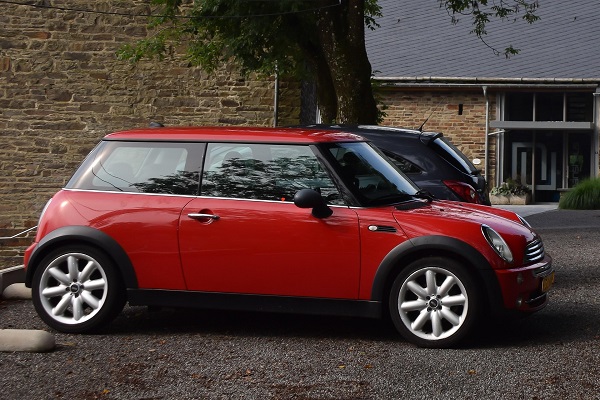
Walk around the car in good daylight and carefully examine the body panels. Look for scratches, dents, rust, uneven paint, or differences in paint shade.
Pay special attention to gaps between doors, the bonnet, and the boot. Uneven panel gaps can sometimes indicate previous accident repairs.
3. Examine the Tyres
Check all four tyres for uneven wear, cracks, or insufficient tread. Uneven tyre wear can indicate alignment, suspension, or steering problems.
Also check the spare tyre and make sure the necessary tools, such as the jack and wheel wrench, are present.
4. Inspect the Interior
Check the condition of the seats, dashboard, steering wheel, carpets, door panels, and roof lining. Excessive wear compared with the claimed kilometres on the odometer can be a warning sign.
Test the air conditioning, power windows, infotainment system, lights, indicators, horn, central locking, and other electrical features.
5. Check the Engine
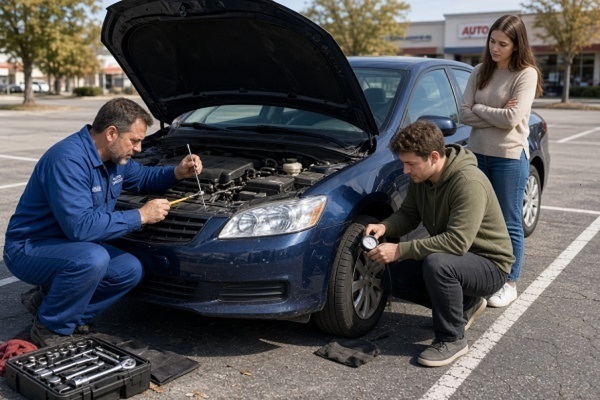
Inspect the engine bay for oil leaks, coolant leaks, damaged hoses, or excessive corrosion. Start the engine when it is cold and listen for unusual knocking, rattling, or grinding sounds.
Pay attention to excessive smoke from the exhaust. Unusual smoke or strong smells may indicate an engine or exhaust-related problem.
6. Check the Fluids
Look at the engine oil, coolant, brake fluid, and other accessible fluids. Extremely dirty oil or signs of contamination may suggest poor maintenance.
If you are unsure about what to check, have a qualified mechanic inspect the vehicle.
7. Take a Test Drive
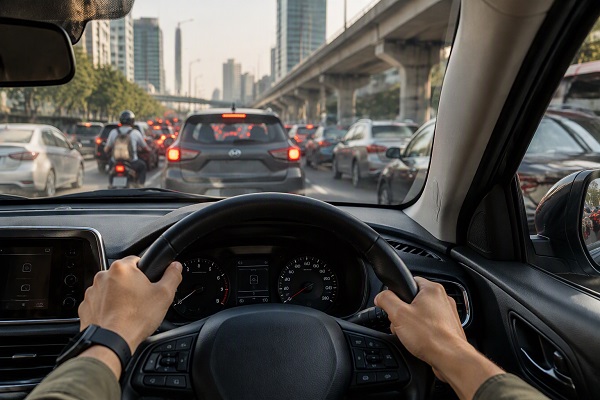
Never buy a used car without taking it for a proper test drive. Drive through different conditions if possible, including slow traffic and an open road.
Check how the car starts, accelerates, brakes, changes gears, and handles bumps. Listen for unusual noises from the engine, suspension, brakes, and transmission.
8. Test the Brakes and Steering
The car should brake smoothly without excessive vibration, pulling to one side, or unusual sounds.
The steering should also feel predictable and should not have excessive play. If the vehicle pulls strongly to one side, have its alignment and suspension checked.
9. Verify the Odometer Reading
Do not rely only on the displayed kilometres. Compare the odometer reading with available service records, inspection reports, and the overall condition of the vehicle.
A very low odometer reading combined with heavily worn pedals, steering, or seats deserves closer investigation.
10. Check for Accident or Flood Damage
Look carefully underneath the car and inside areas such as the boot, spare-wheel compartment, and carpets for signs of previous damage or water exposure.
Mismatched panels, fresh paint, welding marks, unusual corrosion, or damp smells can justify a professional inspection.
11. Get a Professional Inspection
Even if you know something about cars, getting the vehicle inspected by an independent mechanic can be worthwhile.
A professional can check areas that are difficult to evaluate during a normal inspection, including suspension components, underbody damage, engine condition, transmission, and electronic systems.
12. Verify the Final Price
Before agreeing to the purchase, calculate the total cost rather than looking only at the seller's asking price. Consider insurance, transfer-related expenses, immediate servicing, tyre replacement, battery replacement, and other repairs that may be required.
Final Thoughts
A used car should be evaluated based on its **condition, maintenance history, documents, test-drive performance, and overall ownership cost**. Taking extra time to inspect the vehicle can help you avoid unexpected repair bills later.
If anything seems suspicious, do not rush the purchase. A professional inspection and proper document verification can make the difference between finding a good used car and buying someone else's expensive problem.




.jpg)