Best Bike Features to Look for in a Daily Commuter
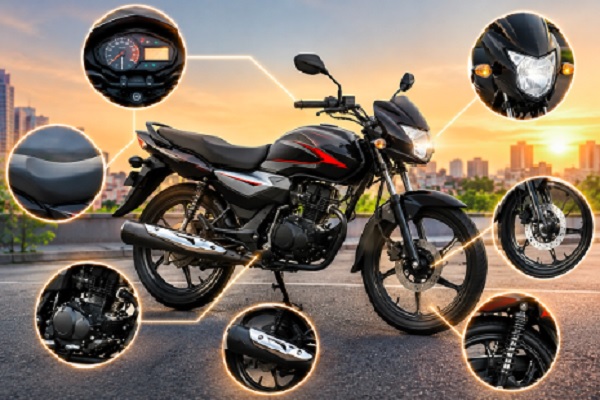
For most riders, a bike is more than just a vehicle—it is a part of their everyday routine. Whether you ride to the office, college, market, or nearby towns, a daily commuter bike needs to be practical, comfortable, economical, and dependable.
Unlike performance or touring motorcycles, a commuter bike should focus on **low running costs, easy handling, comfort, safety, and reliability**. Here are the most important features you should consider before buying a bike for daily use.
1. Good Fuel Efficiency
Mileage is one of the biggest factors for a daily commuter. When a bike is used almost every day, even a small difference in fuel efficiency can make a noticeable difference to your yearly fuel expenses.
For regular city commuting, 100cc–125cc motorcycles are generally popular because they offer a balance between performance and fuel economy. However, advertised mileage should not be the only deciding factor. Your actual mileage will depend on traffic, riding style, road conditions, load, and maintenance.
**What to look for:**
* Strong real-world fuel efficiency
* Fuel-injection technology
* Eco or riding modes, where available
* Low fuel consumption in stop-and-go traffic
* A fuel tank that provides a practical riding range
Fuel-efficient technology and regular servicing can help keep running costs under control.
2. Comfortable Riding Position
A bike can look excellent in a showroom but still become uncomfortable after 30–40 minutes of riding.
For daily commuting, look for an upright and relaxed riding position. Your handlebar, seat, footpegs, and riding posture should work together without putting excessive pressure on your wrists, shoulders, or back.
**Important comfort features include:**
* Wide and well-cushioned seat
* Comfortable seat height
* Upright riding position
* Easy-to-reach handlebars
* Comfortable footpeg position
* Good rider and pillion space
If you commute for an hour or more every day, comfort should be considered just as important as mileage.
3. Good Suspension
Indian roads can change from smooth tarmac to potholes and speed breakers within a few kilometres. Therefore, suspension is an important feature for a commuter bike.
A good suspension setup absorbs bumps effectively and helps keep the motorcycle stable over uneven surfaces. Adequate ground clearance is also useful when dealing with speed breakers and broken roads.
**Look for:**
* Good front suspension
* Well-tuned rear suspension
* Adequate ground clearance
* Adjustable rear suspension, if available
* Stable handling over rough roads
Don't judge suspension only by specifications. A test ride over different types of roads can tell you much more.
4. Lightweight and Easy Handling
Daily commuting often means navigating traffic, narrow lanes, crowded parking areas, and frequent U-turns.
A lighter and manageable motorcycle is generally easier to control at low speeds. It can also reduce fatigue during heavy traffic.
Before buying, check whether you can comfortably:
* Move the bike while it is switched off
* Balance it at low speeds
* Take tight U-turns
* Park it easily
* Handle it confidently in traffic
For a city commuter, easy handling can be more useful than having a very powerful engine.
5. Smooth Engine and Gearbox
You don't need a high-performance engine for a daily commute, but you do need an engine that feels smooth and predictable.
A refined engine, light clutch, and smooth gearbox can make stop-and-go traffic considerably less tiring.
Pay attention to:
* Low-speed throttle response
* Clutch effort
* Gear-shifting smoothness
* Engine vibrations
* Pickup during normal city riding
A motorcycle that feels smooth at everyday speeds is often more enjoyable to live with than one that simply produces more horsepower.
6. Strong Braking and Safety Features
Safety should never be treated as an optional feature.
Depending on the motorcycle and variant, look for features such as **ABS or CBS, effective disc brakes, good tyres, bright lighting, and stable braking performance**.
ABS can be particularly valuable when braking suddenly, while CBS helps distribute braking force between the wheels on applicable motorcycles.
Also consider:
* Good-quality tyres
* Bright headlamp
* Effective brake lights
* Clear rear-view mirrors
* Strong chassis and predictable handling
For riders who commute during rain or on busy roads, braking performance becomes even more important.
7. Low Maintenance Cost
A commuter bike is supposed to save you money—not constantly demand it.
Before buying, research the cost and availability of regular consumables such as engine oil, brake pads or shoes, tyres, chain components, clutch parts, and filters.
A motorcycle with easily available spare parts and a good service network can make ownership much easier over several years. Service accessibility is particularly important if you live outside a major city.
8. Reliable Service Network
Even a reliable motorcycle will eventually need servicing.
Before making a purchase, check whether authorised service centres are conveniently located near your home or workplace.
A strong service network means:
* Easier periodic servicing
* Better spare-part availability
* Faster repairs
* More convenient ownership
* Less downtime if something goes wrong
For a bike that you depend on every working day, this can be more important than having a long list of electronic features.
9. Practical Technology
Modern commuter motorcycles increasingly offer useful technology. However, don't choose a bike simply because it has a larger digital display or more connectivity features.
Look for technology that actually improves everyday riding.
Useful features can include:
* Digital instrument cluster
* Gear-position indicator
* Real-time or average mileage information
* Service reminder
* Side-stand indicator
* USB charging
* Bluetooth connectivity
* Idle stop-start technology
For example, idle stop-start systems can switch the engine off during prolonged stops and restart it when required, potentially improving efficiency in heavy traffic.
10. Good Tyres and Road Grip
Tyres are your motorcycle's only direct contact with the road, so they deserve serious attention.
Look for tyres that provide a good balance of:
* Dry-road grip
* Wet-road grip
* Stability
* Braking performance
* Reasonable durability
Avoid choosing a bike purely because it has wider tyres. The quality and compound of the tyre, along with the motorcycle's overall setup, matter more than width alone.
11. Adequate Engine Power
More power isn't automatically better for commuting.
For short city journeys, a smaller engine can be economical and easy to manage. If your daily route includes highways, flyovers, steep roads, frequent pillion riding, or longer distances, moving into the 125cc–160cc range may provide a more comfortable balance of performance and efficiency.
Your ideal engine size should depend on your actual usage rather than simply choosing the biggest engine within your budget.
12. Comfortable Pillion Seat
If you regularly carry a passenger, don't forget to evaluate the pillion experience.
Check:
* Seat width
* Cushioning
* Footpeg position
* Grab rail
* Rear suspension
* Ease of getting on and off
A bike that is comfortable for the rider but uncomfortable for the passenger may not be the best family commuter.
13. Good Ground Clearance
Speed breakers, potholes and uneven roads are common challenges for Indian commuters.
Adequate ground clearance reduces the chances of the underside hitting obstacles and makes the motorcycle more suitable for mixed road conditions.
If your route includes poorly maintained roads, ground clearance should be one of the features you specifically check during the buying process.
## 14. Practical Fuel Tank Capacity
A slightly larger fuel tank can be useful for people who travel long distances every day because it reduces the frequency of fuel stops.
However, a larger tank can also add weight. The ideal choice is a practical balance between fuel capacity, motorcycle weight, and your daily riding distance.
15. Resale Value
If you expect to sell or upgrade your bike after a few years, resale value is worth considering.
Popular commuter motorcycles with strong demand, affordable maintenance, readily available parts, and a good reputation can be easier to sell in the used-bike market.
Don't buy a motorcycle solely for its resale value, but it can be an important factor when comparing otherwise similar options.
How to Choose the Right Commuter Bike
Before visiting a showroom, ask yourself five simple questions:
1. **How many kilometres will I ride every day?**
2. **Will I ride mostly in city traffic or also on highways?**
3. **Will I frequently carry a pillion?**
4. **What is more important to me—maximum mileage or stronger performance?**
5. **How much can I comfortably spend on fuel, servicing and EMI every month?**
Once you answer these questions, it becomes much easier to shortlist the right motorcycles.
Final Thoughts
The best daily commuter bike isn't necessarily the fastest or the most feature-loaded motorcycle. It is the one that fits your daily routine without creating unnecessary expenses or fatigue.
Prioritise **fuel efficiency, comfort, suspension, braking and safety, easy handling, low maintenance, service availability, reliability, and practical technology**. A well-balanced commuter motorcycle can make thousands of kilometres of everyday travel considerably easier.
Most importantly, take a proper test ride before buying. Sit on the bike, test the clutch and gearbox, ride through traffic, check the braking, evaluate the suspension, and make sure the riding position feels natural.
For a motorcycle that you may use almost every day for several years, **practicality should always come before flashy features**.