Seasonal Food Tourism
Seasonal Food Tourism: A Taste of Time and Place
Seasonal food tourism is a travel experience centered around exploring foods that are naturally available, freshly harvested, and culturally celebrated during specific times of the year. Instead of eating the same global menu everywhere, travelers follow seasons, festivals, and harvest cycles to enjoy food at its peak flavor and cultural significance.
What Seasonal Food Tourism Means
This form of tourism connects travel with agricultural and culinary cycles. It encourages visitors to explore destinations when local ingredients are in season, such as spring vegetables, summer fruits, monsoon specialties, or winter comfort foods. It is closely linked to farming traditions, local markets, and regional festivals.
Why Seasonal Food Tourism is Growing
Travelers today are looking for more authentic and meaningful experiences. Seasonal food tourism offers:
Fresher and more flavorful meals
Strong connection to local culture
Sustainable and eco-friendly travel choices
Unique experiences not available year-round
Support for local farmers and food producers
Popular Seasonal Food Experiences
Spring
Fresh greens and herbal dishes
Flower-based desserts and drinks
Farm visits and early harvest tasting tours
Summer
Mango festivals and tropical fruit tasting
Cold beverages, smoothies, and iced treats
Coastal seafood experiences
Monsoon
Hot street snacks like fritters and spiced tea
Mushroom and forest ingredient dishes
Rain-season comfort food tourism
Autumn
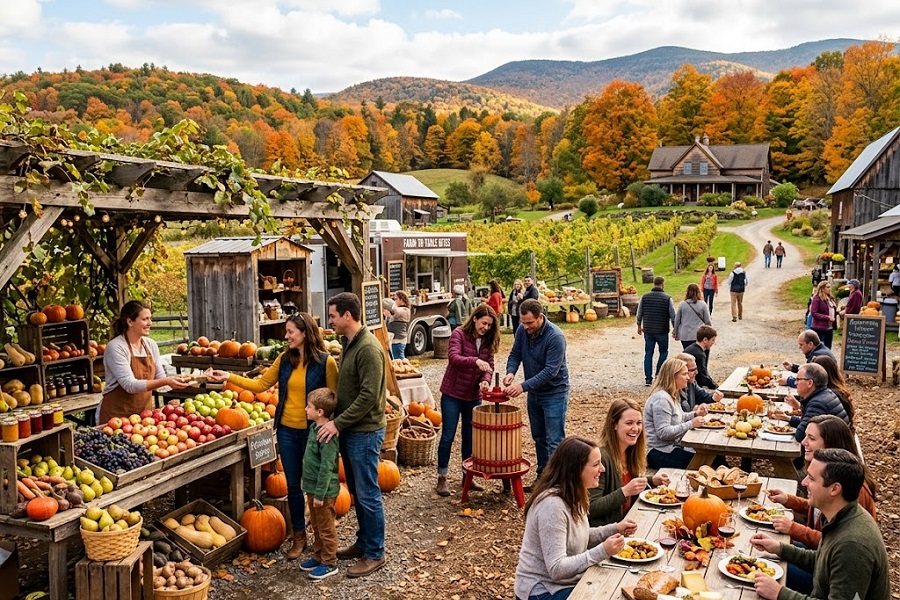
Harvest festivals and grain-based dishes
Pumpkin and root vegetable cuisines
Wine and cider tasting experiences
Winter
Rich, warming meals and desserts
Dry fruit and nut-based recipes
Festival food celebrations like Christmas and New Year cuisines
Benefits of Seasonal Food Tourism
Promotes healthy eating through fresh ingredients
Supports sustainable farming and local economies
Reduces food waste by using natural harvest cycles
Enhances cultural understanding through traditional recipes
Creates unique travel memories tied to time and place
Top Activities in Seasonal Food Tourism
Visiting local farms and orchards
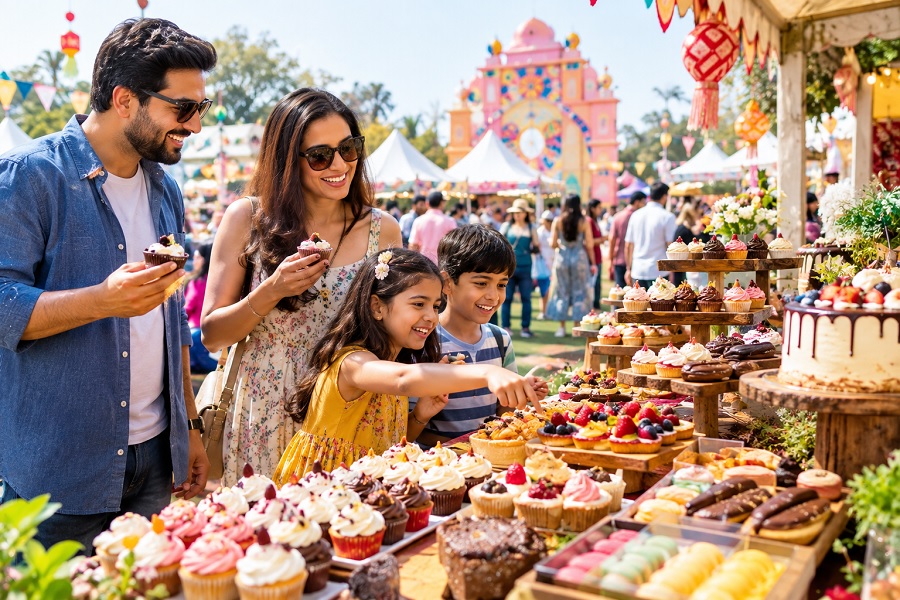
Participating in harvest festivals
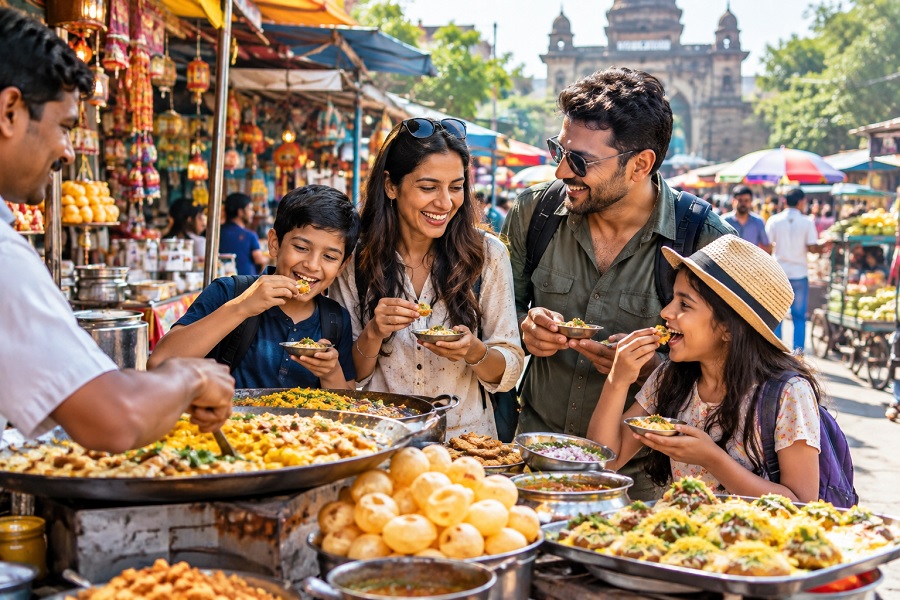
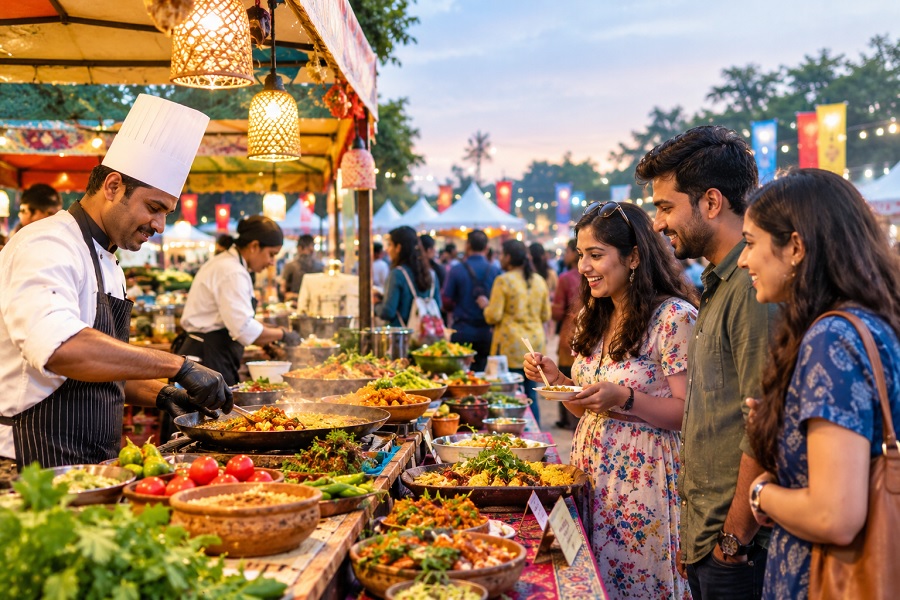
Exploring street food markets
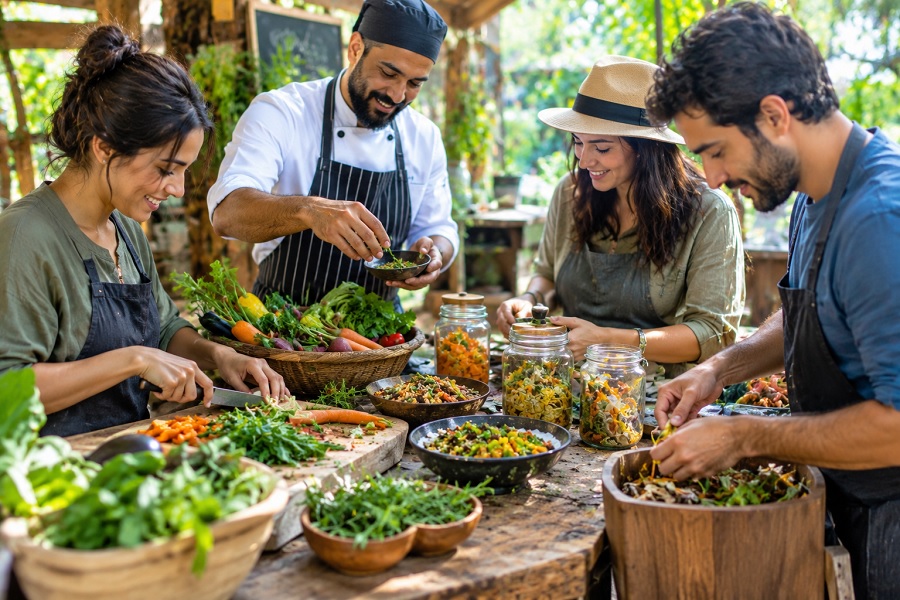
Attending cooking workshops with seasonal ingredients
Tasting regional dishes prepared by local chefs
Responsible Travel Practices
To make seasonal food tourism sustainable, travelers should:
Choose locally sourced and seasonal meals
Avoid imported or out-of-season foods when possible
Support small farmers and community kitchens
Minimize food waste during travel
Respect local food traditions and practices
Conclusion
Seasonal food tourism is more than just eating while traveling. It is about experiencing the rhythm of nature through food. By following seasonal cycles, travelers enjoy fresher flavors, deeper cultural connections, and a more sustainable way of exploring the world.