Sacred Rivers and Spiritual Ghats: A Journey Through India's Living Heritage
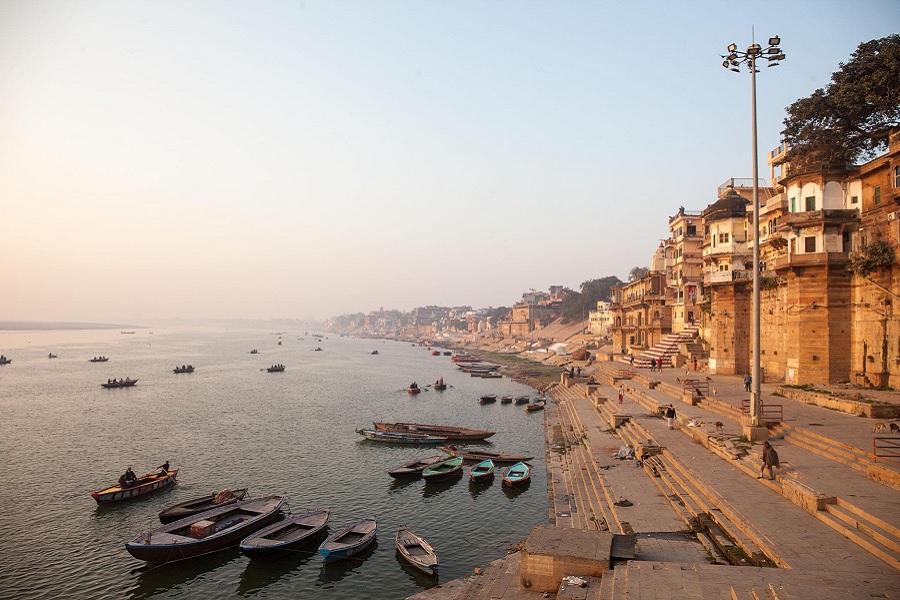
River Ghat Spiritual Tourism: Exploring India's Sacred Riverfront Traditions
Introduction
River Ghat Spiritual Tourism is an important part of India's cultural and spiritual travel experience. Across the country, rivers have long held deep religious, cultural, and historical significance. Ghats, the stepped riverfronts found along many sacred rivers, serve as places for prayer, meditation, rituals, festivals, and everyday community life.
Travelers visiting these destinations can experience ancient traditions, peaceful sunrise views, devotional ceremonies, temple visits, boat rides, and the unique atmosphere created by life along the river.
River ghat tourism is not only about visiting religious sites. It also offers an opportunity to understand India's history, architecture, traditions, music, local communities, and spiritual practices.
What Is River Ghat Spiritual Tourism?
River Ghat Spiritual Tourism refers to travel experiences centered around sacred riverbanks and ghats where visitors participate in or observe spiritual and cultural activities.
A ghat is generally a series of steps leading down to a river or other body of water. In many Indian cities, ghats have developed into important religious and cultural spaces.
Visitors may experience:
Morning prayers and meditation
Evening aarti ceremonies
Sacred river rituals
Temple visits
Spiritual walks
Boat journeys
Yoga and meditation sessions
Religious festivals
Cultural performances
Traditional food experiences
Each riverfront destination has its own traditions and atmosphere.
Why River Ghat Tourism Is Popular
River ghats provide a powerful connection between spirituality, culture, and everyday life.
Many travelers are attracted by the peaceful atmosphere of early mornings, when devotees gather for prayer and the first sunlight reflects on the water. Evening ceremonies can create another memorable experience, with lamps, devotional music, and rituals taking place along the riverbanks.
For international visitors, river ghats offer an opportunity to observe living traditions that have developed over centuries. For domestic travelers, these destinations can provide religious significance as well as opportunities for reflection and cultural discovery.
Famous River Ghat Destinations in India
Varanasi and the Ghats of the Ganges
Varanasi is one of India's most famous spiritual destinations and is strongly associated with the River Ganges.
The city's riverfront ghats are central to its identity. Visitors can take early-morning boat rides, observe daily life along the river, explore nearby temples, and experience evening devotional ceremonies.
The combination of spirituality, history, architecture, and cultural life makes Varanasi one of India's most important destinations for river ghat tourism.
Haridwar and the Ganges
Haridwar is another major spiritual destination located along the Ganges.
The city attracts pilgrims and visitors throughout the year. Riverfront areas become especially vibrant during religious festivals and important pilgrimage periods.
Visitors can experience temple traditions, spiritual gatherings, river ceremonies, and cultural activities connected with the sacred river.
Rishikesh and Spiritual River Travel
Rishikesh combines spirituality, yoga, wellness, and river-based tourism.
Located along the Ganges, the destination attracts travelers interested in meditation retreats, yoga programs, spiritual learning, and peaceful riverside experiences.
The city also demonstrates how spiritual tourism can exist alongside adventure activities and wellness travel.
Nashik and the Godavari Ghats
Nashik is an important spiritual destination associated with the Godavari River.
Its ghats and temples attract pilgrims and visitors interested in Hindu traditions and religious history. The city is also connected with major religious gatherings and cultural celebrations.
Riverfront walks, temple visits, and traditional rituals make Nashik an important destination for spiritual tourism in Maharashtra.
Ujjain and the Shipra River
Ujjain is a historic spiritual city associated with the Shipra River.
The riverfront and religious sites play an important role in the city's cultural identity. Visitors can explore temples, participate in spiritual activities, and experience traditional religious festivals.
Kolkata and the Hooghly River
The Hooghly riverfront offers a different form of river-based spiritual and cultural tourism.
Visitors can explore historic temples, riverfront landmarks, cultural sites, and traditional communities connected with the river.
Spiritual Experiences at River Ghats
Sunrise Meditation
Early morning is one of the most peaceful times to visit a river ghat. The quieter atmosphere can be suitable for meditation, reflection, yoga, and observing local spiritual practices.
Evening Aarti Ceremonies
Evening aarti ceremonies are among the most memorable experiences at many sacred river destinations.
Devotional music, lamps, chanting, and traditional rituals create a distinctive atmosphere along the riverfront.
Visitors should observe respectfully and follow local rules regarding photography and participation.
Boat Rides
Boat journeys can provide a different perspective of historic ghats and riverfront architecture.
Morning and evening rides are often especially popular because of the changing light and atmosphere.
Temple and Heritage Walks
Many river ghats are surrounded by historic temples, markets, traditional homes, and cultural landmarks.
Guided walks can help visitors understand the history and significance of these places.
Yoga and Meditation
Several riverfront destinations offer opportunities for yoga and meditation.
Practicing beside a peaceful river can add a natural and reflective element to a spiritual holiday.
Best Time for River Ghat Spiritual Tourism
The best time depends on the destination and the type of experience travelers want.
Cooler months are generally more comfortable for walking and outdoor sightseeing in many parts of India. Major festivals can provide a vibrant cultural experience but may also bring large crowds.
Travelers should check local weather conditions and festival calendars before planning a trip.
Early mornings and evenings are often the most enjoyable times to experience the atmosphere of river ghats.
River Ghat Festivals and Cultural Events
Many important festivals take place near India's sacred rivers.
These events may include religious ceremonies, cultural programs, processions, music, and traditional gatherings.
Large pilgrimage events can attract significant numbers of visitors. Travelers attending major festivals should plan accommodation and transportation well in advance.
Festival tourism provides an opportunity to experience local traditions but requires visitors to respect religious customs and crowd-management rules.
Responsible Spiritual Tourism
Respect is essential when visiting sacred destinations.
Travelers should:
Dress appropriately
Follow local customs
Respect prayer and ritual spaces
Ask before photographing people
Avoid disturbing ceremonies
Keep riverbanks clean
Avoid throwing waste into rivers
Follow instructions from local authorities
Support responsible local businesses
Spiritual tourism should create positive experiences without disrupting the traditions and communities that make these destinations special.
River Conservation and Tourism
Healthy rivers are essential for the future of river ghat tourism.
Visitors can support conservation by reducing plastic waste, using reusable bottles, avoiding pollution, and respecting protected river areas.
Tourism businesses and local authorities also play an important role in maintaining clean and accessible riverfront spaces.
Sustainable tourism can help create economic opportunities while encouraging visitors and communities to protect valuable cultural and natural resources.
What to Pack for a River Ghat Journey
Useful items include:
Comfortable clothing
Modest attire for religious locations
Comfortable walking shoes
Reusable water bottle
Small backpack
Sun protection
Camera
Phone charger or power bank
Personal medications
Light jacket during cooler periods
Travel documents
Travelers should avoid carrying unnecessary valuables when visiting crowded areas.
Photography Tips for River Ghats
River ghats offer excellent opportunities for travel and cultural photography.
Sunrise and sunset provide beautiful natural light. Reflections on the water, historic architecture, boats, and riverfront life can create memorable images.
However, photographers should always respect religious ceremonies and personal privacy. Some locations may restrict photography, particularly inside temples or during specific rituals.
River Ghat Tourism for Solo Travelers
Solo travelers can enjoy river ghat destinations because many activities, including walking tours, boat rides, temple visits, and meditation sessions, can be experienced independently.
However, travelers should remain aware of local conditions, especially near water and in crowded areas.
Choosing reputable guides and authorized services can make the experience safer and more informative.
River Ghat Tourism for Families
Families can combine spiritual tourism with cultural and educational experiences.
Children can learn about river ecosystems, local history, architecture, traditional festivals, and Indian cultural practices.
Parents should supervise children carefully near water and during crowded events.
The Future of River Ghat Spiritual Tourism
Riverfront destinations are increasingly being developed with improved public spaces, heritage conservation, visitor facilities, and sustainable tourism initiatives.
The future of river ghat tourism will depend on balancing visitor experiences with environmental protection and respect for local traditions.
Technology can also help travelers access information about cultural sites, walking routes, local events, and responsible travel practices.
Conclusion
River Ghat Spiritual Tourism offers a unique way to experience India's living spiritual and cultural heritage.
From the famous ghats of Varanasi and Haridwar to the Godavari riverfront in Nashik and the Shipra River in Ujjain, these destinations connect travelers with centuries of traditions.
Whether visitors come for prayer, meditation, heritage exploration, photography, or cultural discovery, river ghats provide experiences that are deeply connected with India's identity.
The most meaningful journeys are those that combine curiosity with respect, allowing travelers to appreciate sacred traditions while supporting clean rivers, local communities, and responsible tourism.