Responsible Tourism in Ladakh: Preserving the Land of High Passes
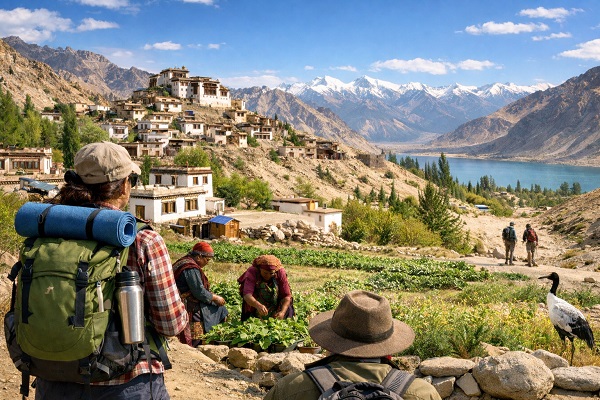
Ladakh is unlike any other destination in India. With its dramatic mountains, ancient monasteries, clear blue skies, and quiet villages, it feels almost untouched by time. But this fragile beauty comes with responsibility. The region’s high-altitude ecosystem is delicate, and even small disruptions can leave long-term damage. That is why responsible tourism in Ladakh is not just a trend. It is a necessity.
Ladakh’s environment is extremely sensitive. Water is scarce, vegetation grows slowly, and waste management systems are limited. An increase in tourist footfall has brought economic opportunities for locals, but it has also increased pressure on natural resources. Plastic waste, water overuse, and off-road driving in restricted areas have become serious concerns. Travelers must understand that their choices directly affect the region.
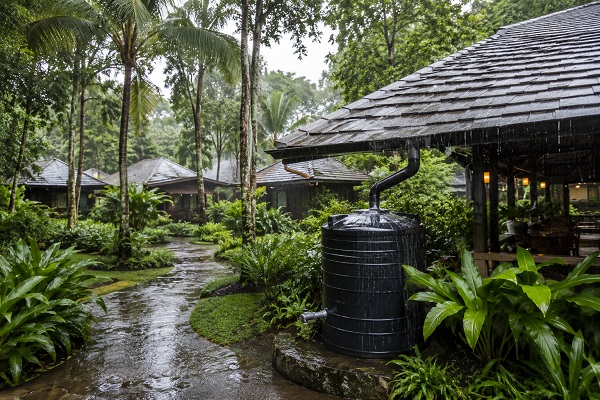
One of the most important aspects of responsible travel in Ladakh is water conservation. Hotels and guesthouses rely on limited water sources, especially during peak summer months. Taking shorter showers, reusing towels, and avoiding unnecessary laundry can make a real difference. Small actions, when multiplied by thousands of visitors, have a meaningful impact.
Supporting local communities is another key part of sustainable tourism. Choosing homestays over large commercial hotels allows travelers to contribute directly to local families. Eating at local cafes, buying handmade products, and hiring local guides help strengthen the regional economy. It also creates more authentic experiences, giving visitors deeper insight into Ladakhi culture and traditions.
Waste management is a growing issue in the region. Carrying reusable water bottles, avoiding single-use plastics, and taking back non-biodegradable waste can significantly reduce pollution. Trekking routes and remote lakes like Pangong and Tso Moriri often suffer because tourists leave trash behind. Responsible travelers make sure they leave no trace.
Respecting local culture is equally important. Ladakh has strong Buddhist traditions, and monasteries are active places of worship. Dressing modestly, seeking permission before taking photographs of people, and maintaining silence in prayer halls shows cultural sensitivity. Tourism should never disrupt the spiritual and social fabric of the community.
Adventure activities also require caution. Off-road driving and camping in restricted areas can damage soil and wildlife habitats. Sticking to designated routes and following local guidelines protects the region’s biodiversity. Wildlife in Ladakh, including rare species like the snow leopard and black-necked crane, depends on minimal human disturbance.
Responsible tourism in Ladakh is about balance. It is about exploring breathtaking landscapes while ensuring they remain intact for future generations. When travelers approach the region with awareness and respect, tourism becomes a force for preservation rather than harm.
Ladakh offers silence, space, and natural beauty that few places can match. Protecting it is a shared responsibility. Every thoughtful choice, no matter how small, helps keep the Land of High Passes as pure and inspiring as it has always been.