Minimalist Lifestyle: Living More with Less

Minimalist lifestyle is about intentionally choosing to live with fewer material possessions and focusing more on what truly adds value to life. It is not about deprivation, but about clarity, purpose, and freedom from unnecessary clutter—both physical and mental. In today’s fast-paced world, where consumerism is constantly encouraged, minimalism offers a refreshing alternative that prioritizes peace over possessions.
At its core, minimalism encourages people to identify what is essential and remove everything that creates distraction or stress. This can apply to physical belongings, digital habits, relationships, and even daily routines. The idea is simple: when you remove excess, you make space for more meaningful experiences, better focus, and improved well-being.
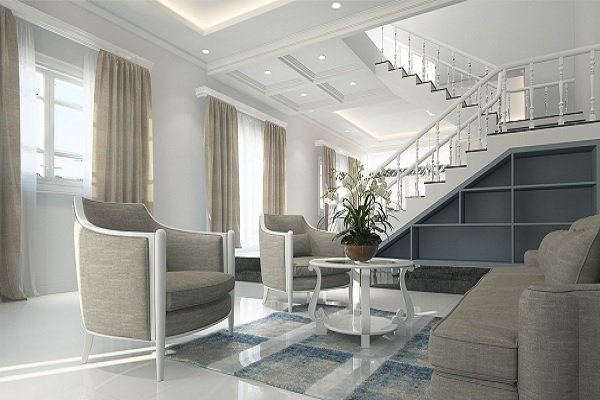
One of the most visible aspects of minimalism is decluttering physical space. Many people find that reducing unnecessary clothes, gadgets, and household items helps create a more organized and calming environment. A clean and simple living space often leads to reduced anxiety and improved productivity. It also saves time because less time is spent managing and cleaning unnecessary items.
Minimalism also extends to digital life. With constant notifications, social media overload, and endless content consumption, digital clutter has become a major source of stress. A minimalist digital lifestyle includes limiting screen time, unfollowing unnecessary content, and focusing only on meaningful digital interactions. This helps improve concentration and mental clarity.
Financial benefits are another important part of minimalist living. When people buy less and focus on quality over quantity, they naturally save more money. This allows better financial planning, reduced debt, and the ability to invest in long-term goals. Minimalism encourages mindful spending instead of impulse purchases driven by trends or advertisements.
Beyond material and financial aspects, minimalism also influences mental and emotional well-being. A simpler lifestyle reduces decision fatigue and creates mental space for creativity and self-growth. It helps people focus on relationships, health, skills, and personal goals rather than constantly chasing material success.
Ultimately, minimalist lifestyle is about living with intention. It teaches that happiness does not come from having more, but from needing less. By simplifying life, people can experience greater freedom, reduced stress, and a deeper sense of satisfaction. In a world full of distractions, minimalism offers a path toward a more meaningful and balanced life.