Impact of AI on Modern Vehicles

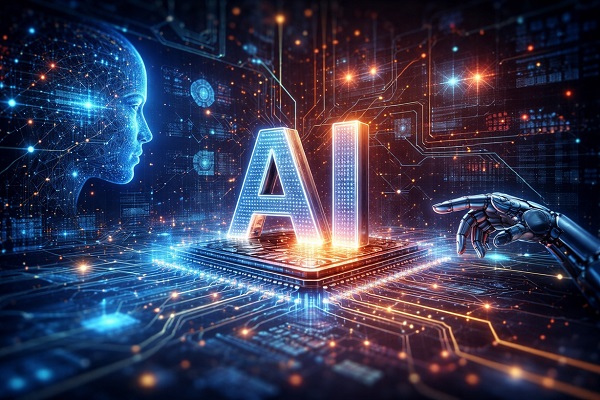
Artificial Intelligence (AI) is rapidly reshaping the automobile industry, making vehicles smarter, safer, and more efficient. From basic driving assistance to advanced autonomous systems, AI is transforming how people interact with cars and bikes. Modern vehicles are no longer just mechanical machines—they are becoming intelligent systems that can learn, adapt, and respond to real-time road conditions.
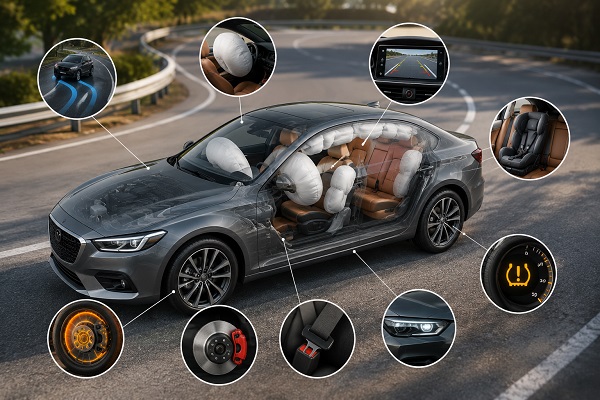
One of the biggest impacts of AI is seen in safety features through Advanced Driver Assistance Systems (ADAS). These systems use sensors, cameras, and algorithms to help drivers avoid accidents. Features like lane-keeping assist, automatic emergency braking, adaptive cruise control, and blind-spot detection are now common in many modern cars. These technologies significantly reduce human error, which is one of the main causes of road accidents.
AI is also improving navigation and driving convenience. Smart navigation systems analyze real-time traffic data and suggest the fastest or most fuel-efficient routes. Some systems can even predict traffic congestion and adjust routes automatically. Voice assistants powered by AI allow drivers to control music, calls, and navigation without taking their hands off the steering wheel, making driving safer and more comfortable.
In electric vehicles (EVs), AI plays a crucial role in battery management and performance optimization. It helps monitor battery health, predict charging needs, and improve driving range. AI also supports regenerative braking systems and energy-efficient driving modes, making EVs more reliable and cost-effective. As India’s EV market grows, AI will become even more important in improving vehicle efficiency.
AI is also leading the development of self-driving and semi-autonomous vehicles. While fully autonomous cars are still in the testing phase, many vehicles already offer features like automatic parking, highway assist, and traffic jam assist. These systems use machine learning to understand road conditions, detect obstacles, and make driving decisions, moving the industry closer to fully autonomous transportation.
Overall, AI is revolutionizing the automotive industry by enhancing safety, improving efficiency, and creating a more connected driving experience. In the coming years, vehicles will become even more intelligent, personalized, and autonomous. As technology continues to evolve, AI will play a central role in shaping the future of mobility in India and across the world.