India Rice Output Set for Sharpest Drop in Nearly Two Decades by Amit Gupta, Kedia Advisory
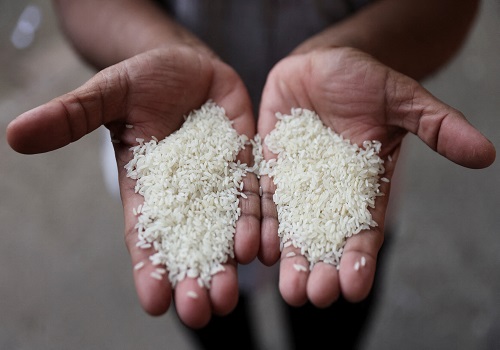
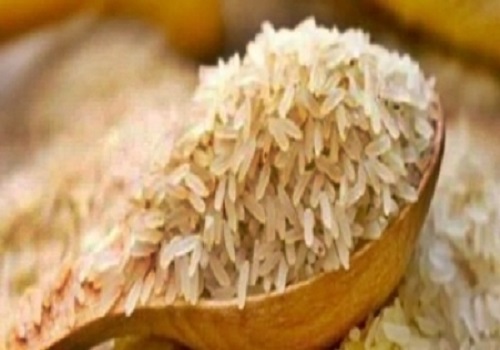
India’s rice production could decline by around 10 million tonnes this year, marking the sharpest fall in nearly two decades as below-normal monsoon rainfall threatens yields. Production is estimated at about 144 million tonnes, down nearly 6.5% from last year’s record 154 million tonnes. Rice acreage has also fallen nearly 4% to 42.68 million hectares as of September 11. Despite tighter output prospects, record government reserves of 59.6 million tonnes should provide a substantial buffer for domestic supplies and exports. However, lower production is already supporting local prices and could make Indian rice exports more expensive amid firming global prices.
Key Highlights
• India’s rice output could fall nearly 10 million tonnes, the sharpest decline since 2009/10.
• Production may decline 6.5% from last year’s record 154 million tonnes.
• Monsoon rainfall remains 15% below normal, with deficits reaching 42% in some rice-growing states.
• Summer rice acreage declined nearly 4% year-on-year to 42.68 million hectares.
• Record rice reserves of 59.6 million tonnes could cushion exports despite lower production.
India’s rice production is expected to decline by around 10 million tonnes this year as below-normal rainfall during the crop maturation period reduces yield potential. Output could fall to roughly 144 million tonnes, representing a decline of nearly 6.5% from last year’s record 154 million tonnes. This would mark the biggest production decline since the 2009/10 season, when an El Niño-related drought affected the crop.
The production outlook has weakened as rainfall remained below normal across major rice-growing regions. India has received 15% less rainfall than normal since the four-month monsoon began on June 1, while the deficit has reached as much as 42% in some rice-producing states. Summer-sown rice acreage stood at 42.68 million hectares as of September 11, nearly 4% below the year-earlier level. Summer crops account for more than 80% of India’s total rice production.
Lower production expectations have already pushed domestic rice prices higher, with export prices reaching their highest level in more than a year. Premium rice varieties could command stronger open-market prices, potentially reducing the quantity farmers sell to government procurement agencies. Rising local prices could also make Indian rice less competitive in global markets as prices in other major exporters such as Thailand and Vietnam increase.
However, India’s substantial inventories provide an important buffer. State rice reserves, including unmilled paddy, stood at a record 59.6 million tonnes on September 1, compared with the government’s target of only 10.3 million tonnes by October 1. These large stocks could allow India to maintain exports without imposing fresh restrictions despite the expected production decline.
Lower rainfall and acreage are tightening India’s rice production outlook, but record inventories provide substantial support for domestic supplies and continued exports.
Above views are of the author and not of the website kindly read disclaimer