ADAS in Cars: Benefits and Limitations Explained
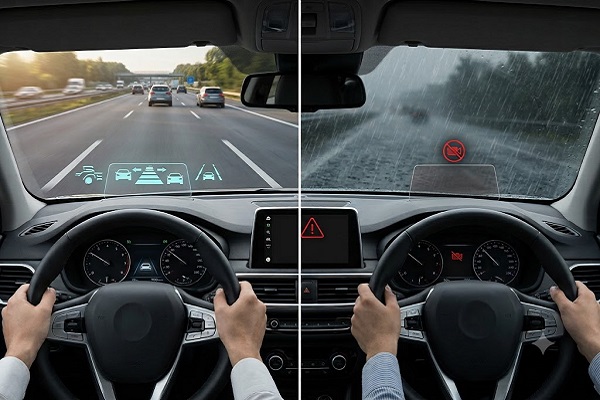
Advanced Driver Assistance Systems (ADAS) are becoming an important part of modern cars, helping drivers improve road safety, reduce driving stress and stay more aware of their surroundings. From automatic emergency braking to lane departure warnings and adaptive cruise control, these technologies are designed to assist drivers in different traffic and road conditions.
As car manufacturers introduce more advanced safety features in new models, understanding how ADAS works, its benefits and its limitations can help buyers make informed decisions.
What Is ADAS in Cars?
ADAS stands for Advanced Driver Assistance Systems. It refers to a collection of electronic technologies that use cameras, radar sensors, ultrasonic sensors and other components to monitor the vehicle's surroundings and assist the driver.
Depending on the vehicle and its equipment, ADAS can warn drivers about potential hazards, provide steering or braking assistance, and help maintain a safe distance from other vehicles.
However, ADAS is not a replacement for an attentive driver. Most systems are designed to support driving rather than take complete control of the vehicle.
Common ADAS Features Explained
1. Automatic Emergency Braking
Automatic Emergency Braking (AEB) detects certain potential collisions and may automatically apply the brakes if the driver does not respond in time. Depending on the system, it can help reduce the severity of an accident or prevent a collision.
2. Lane Departure Warning
Lane Departure Warning alerts the driver when the car begins moving out of its lane without the use of the turn signal. Some systems also provide steering assistance to help the vehicle remain within its lane.
3. Adaptive Cruise Control
Adaptive Cruise Control maintains a driver-selected speed and adjusts it according to the distance from the vehicle ahead. Some versions can slow the car to a stop and resume driving in traffic, although capabilities vary between models.
4. Blind-Spot Monitoring
Blind-Spot Monitoring detects vehicles in areas that may not be clearly visible in the side mirrors. It typically alerts the driver through a warning light, sound or other signal when another vehicle is detected in the blind spot.
5. Forward Collision Warning
Forward Collision Warning monitors the road ahead for certain potential collisions and alerts the driver when a risk is detected. Unlike automatic emergency braking, a warning-only system may not apply the brakes automatically.
6. Driver Attention Monitoring
Some vehicles use cameras or other sensors to identify signs of reduced driver attention or fatigue. The system may issue a warning encouraging the driver to concentrate or take a break.
Benefits of ADAS in Modern Cars
Improved Road Safety
One of the main advantages of ADAS is its ability to identify certain hazards and warn drivers quickly. Features such as automatic emergency braking and forward collision warning may help reduce the risk or severity of some accidents.
Reduced Driving Stress
Driving in heavy traffic can be tiring, particularly during long commutes. Adaptive cruise control and lane assistance can reduce some of the effort required to maintain speed and lane position, where conditions permit.
Better Awareness of Surrounding Vehicles
Blind-spot monitoring and collision warnings can provide additional information about nearby vehicles and potential hazards. These alerts can be especially useful when changing lanes or driving on busy roads.
Support During Long Journeys
Certain ADAS features can make highway driving more comfortable by helping maintain a suitable following distance and providing lane-related assistance. Drivers must still monitor the road and remain ready to take immediate action.
Potential Reduction in Accident Severity
When functioning as intended, some ADAS technologies can intervene faster than a driver may react in a critical situation. Their effectiveness depends on the system, road conditions, vehicle speed and type of hazard.
Limitations of ADAS You Should Know
Performance Can Be Affected by Weather
Heavy rain, fog, dust, poor lighting and glare can interfere with cameras and other sensors. Depending on the system, these conditions may reduce detection accuracy or temporarily disable certain functions.
Not Every Obstacle Can Be Detected
ADAS systems have specific operating limits. They may not reliably identify every pedestrian, animal, stationary object, road hazard or unusual traffic situation. Drivers should never assume the system will detect everything.
Challenges on Indian Roads
Indian roads can present a complex driving environment, with mixed traffic, two-wheelers, pedestrians, animals, potholes, faded lane markings and unexpected manoeuvres. These conditions can challenge some ADAS features, particularly lane-centering and automated driving assistance.
Performance varies considerably between vehicles, so buyers should assess how a particular system works in the conditions in which they expect to drive.
Higher Repair and Maintenance Costs
Cameras, radar sensors and other ADAS components may require inspection, calibration or replacement after a collision, windshield replacement or certain repairs. This can increase maintenance costs compared with vehicles that have fewer electronic assistance systems.
Risk of Over-Reliance
Drivers may become less attentive if they believe ADAS can handle every situation. This is dangerous because the technology can make mistakes, issue false alerts or fail to respond to certain hazards.
Additional Purchase Cost
Cars equipped with more advanced safety technology may cost more than comparable versions without those features. Buyers should compare the complete safety package, not simply assume that a higher number of features guarantees better real-world protection.
Is ADAS Useful for Indian Driving Conditions?
ADAS can be useful in India, particularly for drivers who regularly travel on highways and expressways. Features such as automatic emergency braking, forward collision warning and blind-spot monitoring can provide valuable assistance when they function within their intended limits.
However, urban driving can be more demanding because of unpredictable traffic, closely spaced vehicles and inconsistent lane markings. Certain systems may issue frequent alerts or provide limited assistance in these situations.
Before buying a car with ADAS, prospective owners should check the available features, their operating conditions and whether the system offers adjustable warning settings. A supervised test drive can also help them understand how the technology responds to local road conditions.
What Should Buyers Check Before Purchasing an ADAS-Equipped Car?
Car buyers should consider the following points:
Feature availability: Check which ADAS functions are included in the specific variant.
System capability: Understand whether each feature provides a warning, active braking, steering assistance or a combination of functions.
Operating limitations: Read the owner's manual to understand when the systems may not work correctly.
Repair and calibration costs: Ask the dealer about sensor calibration, windshield replacement and post-accident repair requirements.
Safety ratings: Consider independently assessed crash-test results alongside the vehicle's active safety equipment.
Ease of use: Check whether warnings and assistance settings can be adjusted to suit your driving preferences.
ADAS vs Traditional Safety Features
Traditional safety features and ADAS serve different but complementary purposes. Seat belts, airbags and a strong passenger compartment help protect occupants during a crash, while technologies such as automatic emergency braking aim to prevent certain collisions or reduce their severity.
A well-equipped vehicle should offer a balanced combination of passive safety, active safety and driver assistance. ADAS should be viewed as an additional layer of protection rather than a substitute for fundamental safety equipment.
Conclusion
Advanced Driver Assistance Systems are changing the way modern cars support drivers. Features such as automatic emergency braking, adaptive cruise control, lane departure warning and blind-spot monitoring can improve awareness, reduce driving effort and help prevent certain accidents.
Nevertheless, ADAS has limitations related to weather, road conditions, sensor performance and unexpected traffic situations. Its effectiveness also varies between manufacturers and vehicle models.
For Indian car buyers, the best approach is to choose a vehicle with safety features suited to their driving needs, understand how those features work and remain attentive behind the wheel. Ultimately, ADAS is most effective when advanced technology and responsible driving work together.