How Different Camera Sensors Change Image Quality
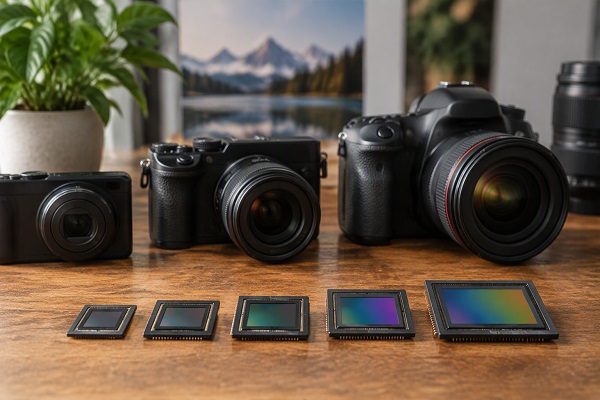
When comparing smartphone cameras, people often focus on megapixels, but the camera sensor itself can have a major influence on image quality. Two phones with similar megapixel counts can produce noticeably different photographs because their sensors may differ in size, design and light-gathering ability.
One of the most important factors is sensor size. A larger sensor can generally capture more light, which can help produce cleaner images, especially in darker environments. This is one reason a phone with fewer megapixels can sometimes outperform another phone with a much higher megapixel count.
Pixel size also plays a role. Individual pixels on a sensor collect light, and larger pixels can have an advantage in low-light situations. However, modern smartphone cameras often use techniques such as pixel binning, where multiple smaller pixels are combined to create an image that balances detail, brightness and noise.
Low-light photography is where sensor differences can become particularly noticeable. A weaker sensor may produce more visible noise, softer details or less accurate colours when there is not enough light. A better sensor can give the phone more useful information to work with before image processing begins.
Dynamic range is another important area. When a scene contains both very bright and very dark areas, the sensor needs to capture detail across those extremes. A capable sensor can help preserve more information in highlights and shadows, allowing the final image to look more balanced.
Colour performance can also vary between sensors. Although software processing has a major influence, the sensor provides the original image data. Differences in how that data is captured can affect skin tones, brightness, colour consistency and overall image appearance.
Sensor design can also influence autofocus performance. Some modern sensors include technologies that help the camera focus quickly and accurately. This becomes useful when photographing moving subjects, children, pets or scenes where the camera needs to lock focus quickly.
The physical sensor is only one part of the camera system, however. The lens, image processor and software can significantly change the final result. A high-quality sensor paired with a poor lens or weak processing may not produce great photographs, while a well-optimised camera system can make impressive use of a smaller sensor.
Computational photography has made this even more important. Smartphones can combine multiple frames, adjust exposure, reduce noise and improve details using software. As a result, the picture you see is not simply a direct representation of what the sensor captured.
Different camera sensors are also designed for different purposes. A main sensor is usually optimised for everyday photography, while ultrawide and telephoto cameras may use smaller sensors because of space and design limitations. This is why image quality can vary considerably between different lenses on the same phone.
Megapixel count still has value, particularly when cropping or producing highly detailed images in good lighting. But it should be considered alongside sensor size, pixel design, lens quality and image processing rather than treated as the only measure of camera performance.
For buyers, the practical lesson is simple: do not judge a camera only by the number printed in its specifications. Look at how it performs in daylight, indoor scenes, night photography, moving subjects and difficult lighting conditions.
Ultimately, camera quality comes from the entire imaging system. The sensor provides the foundation, while the lens, processor and software determine how much of that potential reaches the final photograph. Understanding sensor differences can therefore help buyers make better camera comparisons than relying on megapixels alone.