Assistive Technology Gadgets: How Smart Devices Are Making Everyday Life Easie
Technology is increasingly being designed to solve real-life challenges and improve accessibility. A new range of assistive gadgets is helping people communicate, navigate their surroundings, manage daily activities and access digital information more independently.
From smart hearing devices and electronic navigation tools to voice-controlled assistants and adaptive controllers, these innovations are expanding the possibilities of modern consumer technology.
Smart Wearable Devices for Accessibility
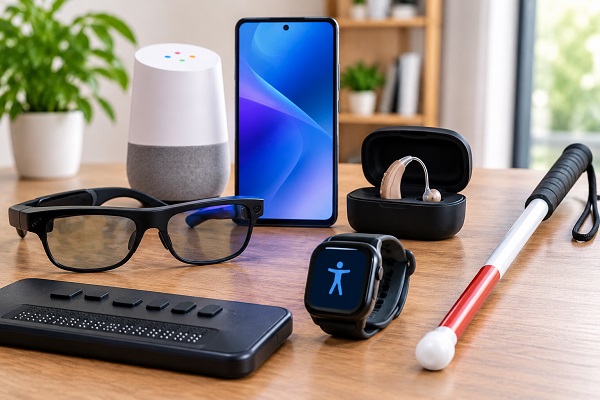
Wearable technology is creating new opportunities for people with different accessibility needs. Smart glasses equipped with cameras and AI-powered features can help users identify objects, read printed information and understand their surroundings.
Advanced hearing devices are also becoming more sophisticated, offering features such as noise reduction, wireless connectivity and personalised sound adjustments. These developments are helping users interact more comfortably with their environments.
Voice-Controlled Gadgets Simplify Daily Tasks
Voice-enabled devices are making everyday technology easier to operate. Smart speakers, voice assistants and connected home appliances allow users to perform tasks through spoken commands.
From controlling lights and adjusting room temperature to setting reminders and making calls, voice-controlled gadgets can reduce dependence on traditional physical controls.
Navigation Gadgets Improve Independent Mobility
Electronic navigation devices are helping users move through unfamiliar environments with greater confidence. Smart canes equipped with sensors can detect nearby obstacles and provide alerts through vibrations or audio signals.
GPS-enabled wearable devices and smartphone applications can also offer location-based guidance, route information and emergency assistance.
Adaptive Technology Is Changing Gaming and Computing
Technology companies are developing specialised accessories that make computers and gaming systems more accessible.
Adaptive keyboards, customised controllers, eye-tracking systems and alternative input devices allow users to interact with digital platforms in different ways.
These innovations are expanding access to education, entertainment, communication and professional activities.
Artificial Intelligence Is Expanding Possibilities
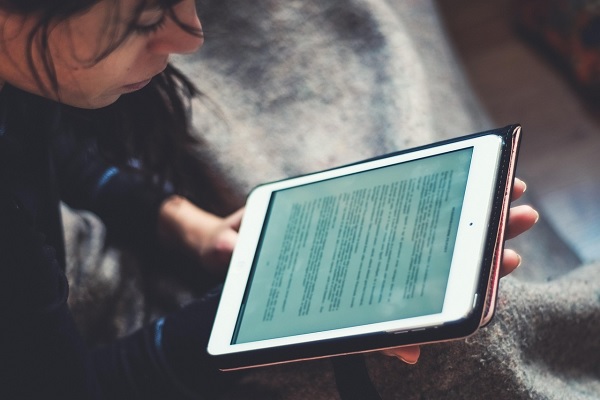
Artificial intelligence is adding new capabilities to assistive gadgets. Real-time speech recognition, automatic transcription, language translation and image descriptions are helping users access information more easily.
AI-powered applications can also support communication by converting spoken language into text and providing contextual assistance. However, users should consider privacy and data security when using devices that process personal information.
What Lies Ahead for Assistive Gadgets?
The future of assistive technology will depend on making devices more affordable, reliable and widely accessible. Improvements in sensors, artificial intelligence, battery efficiency and wireless connectivity are expected to create further opportunities for innovation.
Ultimately, the success of assistive gadgets should be measured not only by their technological sophistication but also by how effectively they improve independence, accessibility and quality of life.