Automatic Plant Watering Gadgets for Home Gardens
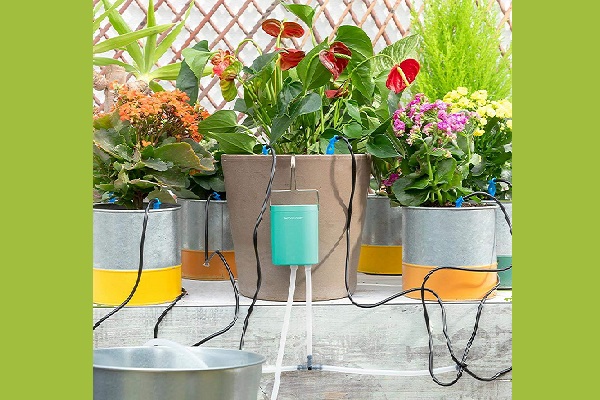
Description: Automatic plant watering gadgets are making home gardening easier by providing plants with water at regular intervals. From smart irrigation systems and self-watering pots to drip irrigation kits and moisture sensors, explore innovative watering solutions that help maintain healthy plants while saving time, effort and water.
Introduction
Home gardening has become a popular way to bring greenery, freshness and natural beauty into modern living spaces. Whether it is a small balcony garden, an indoor plant collection, a terrace garden or a backyard filled with flowering plants, maintaining healthy greenery requires regular attention. One of the most important aspects of plant care is providing the right amount of water at the right time.
However, busy schedules, frequent travel and changing weather conditions can make regular watering difficult. Overwatering and underwatering can also affect plant growth and soil health. This is where automatic plant watering gadgets offer a convenient solution.
Automatic plant watering gadgets are designed to supply water to plants with minimal manual effort. These devices range from simple self-watering pots to advanced smart irrigation systems that use moisture sensors and programmable timers. They help gardeners maintain consistent watering schedules and make everyday plant care more manageable.
1. What Are Automatic Plant Watering Gadgets?
Automatic plant watering gadgets are devices that deliver water to plants according to a predetermined schedule or based on soil moisture levels.
Unlike traditional watering methods that require manual attention, these gadgets automate different parts of the irrigation process. Some systems use gravity to release water gradually, while others rely on electric pumps, timers or sensors.
These devices are suitable for different gardening environments, including:
- Indoor houseplants
- Balcony gardens
- Terrace gardens
- Kitchen herb gardens
- Outdoor flower beds
- Small vegetable gardens
Choosing the right device depends on plant type, garden size, water requirements and available space.
2. Smart Automatic Plant Watering Systems
Smart automatic watering systems are among the most advanced solutions for modern home gardens. They can be programmed to water plants at specific times and, in some models, adjusted according to soil moisture conditions.
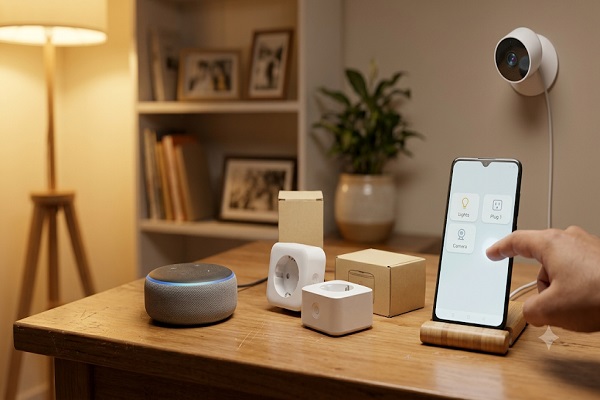
Many smart systems connect to mobile applications through Wi-Fi or Bluetooth, allowing users to manage watering schedules remotely.
Key features include:
- Programmable watering schedules
- Mobile application control
- Automatic water distribution
- Soil moisture monitoring in compatible systems
- Customisable watering intervals
- Remote operation in supported models
These systems are particularly useful for gardeners who maintain multiple plants or have limited time for daily watering.
3. Self-Watering Pots and Planters
Self-watering pots are practical gadgets for people who grow plants indoors or in small spaces. They generally contain a water reservoir beneath the planting area, allowing plants to absorb moisture gradually through a wick or similar mechanism.
The reservoir reduces the need for frequent manual watering and helps maintain more consistent soil moisture.
Benefits of self-watering pots:
- Convenient for indoor gardening
- Reduced frequency of manual watering
- Suitable for many leafy plants and herbs
- Compact designs for apartments and balconies
- Easy maintenance and refilling
However, not every plant prefers consistently moist soil. Succulents and cacti, for example, generally need a different watering approach.
4. Automatic Drip Irrigation Kits
Automatic drip irrigation kits are useful for home gardeners who maintain several plants together. These systems deliver water slowly and directly to the soil near plant roots through small tubes and emitters.
A typical drip irrigation kit includes a water source, connecting pipes, drip emitters and sometimes a timer or pump.
Important features include:
- Controlled water delivery
- Adjustable flow rates in compatible models
- Multiple plant connections
- Reduced water wastage
- Convenient watering for balcony and terrace gardens
Drip irrigation is especially useful for vegetable gardens, flower beds and container plants arranged in rows.
5. Soil Moisture Sensors for Smart Watering
Soil moisture sensors help gardeners understand how much moisture is available in the soil. These devices measure moisture conditions and provide readings that can guide watering decisions.
Some basic sensors display moisture levels directly, while advanced models can connect with automatic irrigation controllers.
Why are soil moisture sensors useful?
- Help identify dry soil conditions
- Reduce unnecessary watering
- Support more informed plant care
- Help monitor moisture in different containers
- Can improve watering decisions for sensitive plants
Before purchasing a sensor, check whether it measures the moisture range and soil conditions suitable for your plants.
6. Automatic Watering Timers
Automatic watering timers are simple devices that control when water is released through an irrigation system. They are commonly connected to garden taps, drip irrigation systems or compatible water pumps.
Users can set specific watering intervals according to their garden's requirements.
Some advanced timers offer multiple schedules, rain-delay functions and smartphone connectivity.
Common advantages include:
- Consistent watering schedules
- Less manual effort
- Convenient garden maintenance
- Better control over watering duration
- Useful for terrace and outdoor gardens
Timers are particularly useful when gardeners want to maintain regular irrigation during busy working weeks.
7. Solar-Powered Plant Watering Gadgets
Solar-powered watering gadgets use energy from sunlight to operate small irrigation pumps. These systems are useful for gardens where access to electrical outlets is limited.
Many models include a solar panel, water pump, connecting tubes and drip outlets.
They can draw water from a storage container and distribute it to multiple plants.
Notable features include:
- Solar-powered operation
- Reduced dependence on electrical connections
- Portable designs
- Useful for outdoor gardens
- Potentially convenient for remote watering arrangements
Their performance depends on sunlight availability, battery capacity, pump specifications and the number of connected plants.
8. Gravity-Based Automatic Watering Devices
Gravity-based watering devices are simple solutions for maintaining soil moisture without complex electronic equipment.
These devices generally use an elevated water container connected to small tubes or watering spikes. Gravity helps release water gradually into the soil.
They are suitable for small indoor gardens, balcony plants and individual pots.
Benefits include:
- No electricity required
- Simple installation
- Affordable watering solution
- Minimal maintenance
- Useful for short periods of absence
Water delivery can vary depending on the height of the reservoir, tube design and soil conditions.
9. Wi-Fi and App-Controlled Irrigation Gadgets
Connected irrigation devices bring greater convenience to modern home gardening. Wi-Fi-enabled controllers allow users to manage compatible watering systems through smartphone applications.
Depending on the product, users may be able to adjust watering schedules, monitor system activity and receive notifications.
Some systems also integrate with weather information or smart home platforms.
Useful capabilities include:
- Remote watering control
- Customisable schedules
- Watering status notifications
- Multi-zone irrigation management
- Smart home integration in supported models
These gadgets are particularly attractive to technology enthusiasts and people managing larger home gardens.
10. How to Choose the Right Automatic Watering Gadget
Selecting the right watering device depends on the size of your garden, the number of plants and their individual water requirements.
Here are some important factors to consider:
Garden Size: Small indoor gardens may only need self-watering pots or simple watering spikes. Larger gardens may benefit from drip irrigation kits.
Plant Requirements: Different plants require different amounts of water. Choose a system that allows suitable watering adjustments.
Power Source: Decide whether you prefer a manual, gravity-based, battery-operated, solar-powered or electric system.
Water Capacity: Check the reservoir size and how frequently it needs refilling.
Installation: Choose a device that is easy to install, operate and maintain.
Smart Features: If you want remote control, look for compatible Wi-Fi or Bluetooth connectivity and application support.
Budget: Compare features, durability, maintenance costs and warranty coverage before purchasing.
11. Tips for Using Automatic Watering Gadgets Effectively
Although automatic watering devices make gardening easier, they still require occasional monitoring and maintenance.
Follow these practical tips:
1. Check soil moisture regularly, especially when setting up a new system.
2. Adjust watering schedules according to plant requirements and seasonal changes.
3. Clean tubes and emitters to prevent blockages.
4. Refill water reservoirs before they become empty.
5. Inspect connections for leaks.
6. Avoid placing moisture-sensitive plants in constantly wet soil.
7. Test the system before leaving home for an extended period.
8. Monitor plants regularly to identify signs of overwatering or underwatering.
Remember that automatic watering does not eliminate the need for proper plant care. Plants still require suitable sunlight, nutrients, healthy soil and occasional pruning.
12. How Automatic Watering Gadgets Support Sustainable Gardening
Water conservation is becoming increasingly important as more people adopt home gardening. Automatic watering gadgets can help reduce unnecessary water use when properly installed and adjusted.
Drip irrigation systems, for example, deliver water closer to plant roots instead of distributing it across unnecessary areas. Moisture sensors can also help gardeners avoid watering when the soil already contains sufficient moisture.
Some useful sustainable gardening practices include:
- Collecting rainwater for suitable garden use.
- Using drip irrigation for container plants.
- Choosing water-efficient plants.
- Applying mulch to reduce soil moisture loss.
- Monitoring soil moisture before watering.
- Fixing leaks in irrigation connections.
Combining these practices with suitable watering gadgets can make home gardening more water-conscious.
13. The Future of Automatic Plant Watering Technology
The future of home gardening is likely to involve greater integration of sensors, automation and connected devices. Smart irrigation systems are increasingly combining moisture monitoring, programmable controllers and remote management features.
Future innovations may include more affordable soil-monitoring devices, AI-assisted watering recommendations, improved solar-powered irrigation systems and smarter water-management technologies.
These developments could make gardening more accessible to apartment residents, working professionals and people with limited gardening experience.
However, effective plant care will continue to depend on understanding the individual needs of different plants rather than relying entirely on automation.
Conclusion
Automatic plant watering gadgets are changing the way people maintain home gardens by making irrigation more convenient, organised and manageable. From self-watering pots and gravity-based devices to smart irrigation controllers and solar-powered pumps, there are solutions available for different gardening needs and budgets.
These gadgets can be particularly useful for busy households, apartment gardeners and people who travel frequently. By choosing the right watering system, adjusting schedules carefully and monitoring plant health, gardeners can create a more efficient and enjoyable gardening experience.
As smart home technology continues to develop, automatic watering gadgets are likely to become an increasingly useful part of modern home gardening.