Gold vs Equity: Which Is Better for Long-Term Wealth Creation?

Building long-term wealth requires patience, discipline and the right investment strategy. Among the many investment options available in India, **gold and equity** are two popular choices. While gold is traditionally considered a safe-haven asset, equity has the potential to generate significant wealth over the long term.
But which one is better for creating wealth - gold or equity?
The answer depends on your financial goals, investment horizon and risk tolerance.
Gold as an Investment
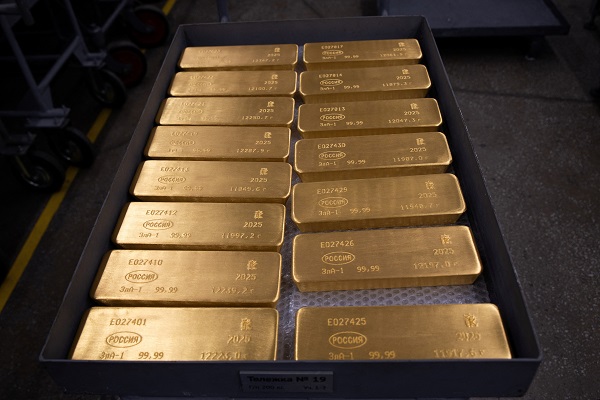
Gold has been used as a store of value for centuries. Indian investors traditionally buy gold in the form of jewellery, coins and bars, while modern investors can also consider options such as Gold ETFs, gold mutual funds and sovereign gold-related products when available.
One of gold's biggest advantages is that it can provide diversification. Gold prices may behave differently from stocks during certain market conditions, potentially helping reduce overall portfolio risk.
However, gold generally does not generate regular income like dividends or business profits. Physical gold can also involve storage, making charges and other costs.
Equity as an Investment
Equity means investing in companies and becoming a shareholder. Investors can gain through both **capital appreciation and dividends**.
Over long periods, equities have historically offered strong wealth-creation potential because investors participate in the growth of businesses and the broader economy.
However, equity prices can be highly volatile in the short term. Market crashes, economic slowdowns, interest-rate changes and company-specific problems can cause significant temporary losses.
Therefore, equity generally works better for investors who have a long investment horizon and can tolerate market fluctuations.
Which Is Better for Long-Term Wealth Creation?
For investors focused primarily on **long-term wealth creation**, equity can be the stronger choice because businesses can grow their revenues, profits and earnings over time.
For example, a company that successfully expands its business can potentially become significantly more valuable over several years. Shareholders can benefit from that growth.
Gold, on the other hand, is primarily valued for its scarcity, demand and role as a store of value. It can be useful as a portfolio diversifier, but it does not represent ownership in a growing business.
This makes the two assets fundamentally different rather than direct substitutes.
Why You Don't Necessarily Have to Choose One
Instead of treating gold and equity as an either-or decision, investors can consider using both as part of a diversified portfolio.
Equity can serve as the **growth component**, while gold can provide **diversification and a potential defensive element**.
The exact allocation should depend on factors such as age, financial goals, investment horizon, income stability and risk tolerance.
A younger investor with a long investment horizon may generally be able to tolerate greater equity exposure, while someone approaching an important financial goal may prefer a more balanced approach.
What About Gold Jewellery?
Gold jewellery is not always the same as investing in gold.
When buying jewellery, the investor may pay making charges, taxes and other costs. These expenses can reduce the effective investment return.
If the primary objective is investment rather than personal use, investors may want to compare financial gold products and physical gold carefully before making a decision.
What About Equity Mutual Funds?
Investors who do not want to select individual stocks can consider equity mutual funds.
Mutual funds pool money from multiple investors and invest it according to a specific strategy. Equity mutual funds can provide diversification across multiple companies and sectors.
Systematic Investment Plans, or SIPs, can also help investors invest regularly rather than trying to predict the best time to enter the market.
However, equity mutual funds remain market-linked investments, and returns are not guaranteed.
The Bottom Line
There is no single investment that is perfect for everyone.
**Gold can provide diversification and act as a store of value, while equity has greater potential for long-term capital growth.**
For an investor whose primary goal is wealth creation over a long period, equity may form the larger part of the growth portfolio. Gold can complement it by adding diversification.
Rather than asking whether gold or equity is better, a more useful question may be: **How can both assets fit into my overall financial plan?**
Before investing, consider your financial goals, risk tolerance and investment horizon, and avoid making decisions solely based on recent market performance.