Why Comparing Prices Is Not the Same as Saving Money
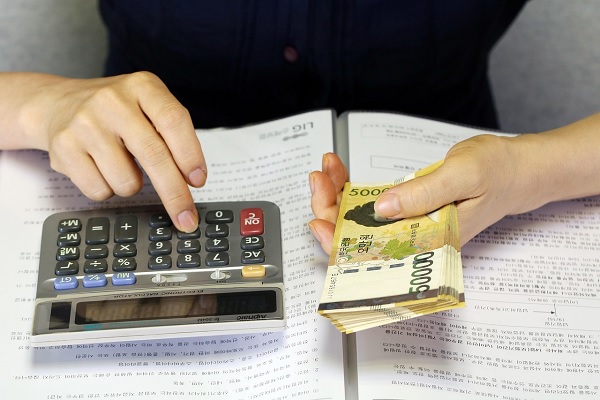
When people want to save money, one of the first things they often do is compare prices. They check different stores, websites and brands before making a purchase. While comparing prices can help find a better deal, it does not automatically mean that money has been saved.
Saving money is not simply about paying the lowest price. It is about spending less on things that genuinely need to be purchased while getting appropriate value from the money being spent.
The Cheapest Option Is Not Always the Best Value
Two products may look similar while offering different quality, durability or useful features. Buying the cheapest option may save money at checkout but could become more expensive if it needs to be replaced sooner.
For example, a lower-priced everyday item may appear attractive, but a slightly more expensive alternative that lasts considerably longer could provide better value over time.
This is why price should be one part of the decision rather than the entire decision.
Discounts Can Encourage Extra Spending
A discount only saves money when the purchase was actually necessary.
A person might spend ?1,000 on an item originally priced at ?1,500 and feel that ?500 has been saved. But if that item was never needed, the person has still spent ?1,000.
The same problem can happen with buy-one-get-one offers, limited-time deals and large sales. A lower price can make a purchase feel financially smart even when it was unnecessary.
Quantity Can Change the Real Cost
Comparing only the final price can sometimes be misleading. Different products may come in different quantities, sizes or package combinations.
For everyday items, checking the price per unit can provide a more meaningful comparison. A larger package is not automatically a better deal if part of it is likely to remain unused or wasted.
The useful question is not simply, “Which one is cheaper?” It is, “Which one gives me the amount I actually need at a reasonable cost?”
Convenience Has a Cost Too
Sometimes a person chooses a more expensive option because it saves time, effort or transportation costs. That does not necessarily make the decision financially poor.
For example, buying something slightly closer to home may save a separate trip. Ordering an essential item with other planned purchases may also reduce unnecessary travel.
Money is important, but time and effort have value as well. A good financial decision considers the total cost of the purchase, not just the displayed price.
Buying More to Get a Better Deal Can Backfire
Bulk discounts can look attractive, but buying more than necessary can create waste.
This is particularly relevant for products with limited shelf life, changing preferences or limited storage space. The lower per-unit price does not help much if some of the purchase is never used.
A smaller purchase at a higher unit price can sometimes be the more sensible choice when it matches actual consumption.
Comparing Prices Does Not Prevent Unnecessary Purchases
There is another issue that often gets overlooked: price comparison can make people spend more time thinking about purchases they did not need in the first place.
Someone may compare five websites, find the cheapest option and complete the purchase. The process feels financially responsible because research was involved.
But the biggest saving would have been not making the unnecessary purchase at all.
This is why the first question should be whether the purchase is needed. Price comparison should come after that decision.
Think About Cost Per Use
For items that are used regularly, cost per use can provide a better picture than the original price.
A product that costs more but is used hundreds of times may offer better value than a cheaper product that is rarely used or quickly replaced.
This way of thinking shifts the focus from the moment of purchase to the usefulness received from it.
Avoid Making Every Purchase About the Lowest Price
Trying to get the cheapest possible price for everything can also become tiring. Not every purchase requires extensive research.
For small, routine purchases, a simple comparison may be enough. More time can be spent researching expensive or frequently used products where the decision has a larger financial impact.
The goal is not to minimise every rupee spent. The goal is to make spending more intentional.
Saving Starts Before the Price Comparison
Price comparison is useful, but it works best as one part of a larger money habit.
Checking whether something is needed, comparing the right quantities, considering durability, avoiding unnecessary upgrades and thinking about how often the item will be used can all lead to better financial decisions.
In the end, saving money is not about winning every price comparison. It is about making sure the money spent actually supports your needs and priorities.
The lowest price can be a good deal. But the smartest purchase is often the one that delivers the right value without encouraging unnecessary spending.