How to Make a Financial Plan After Your First Job

Getting your first job is an important financial milestone. For the first time, you may have a regular income and more control over how you spend and save your money. It can be tempting to immediately upgrade your lifestyle, but creating a basic financial plan early can make future money decisions much easier.
A financial plan does not need to be complicated. It starts with understanding your income, controlling expenses, building financial safety and gradually working toward long-term goals.
Start With Your Actual Take-Home Income
Your salary package and the amount credited to your bank account may be different. Start by identifying your monthly take-home income after taxes, deductions and other contributions.
This is the number you should use when creating your monthly budget because it represents the money actually available for spending, saving and investing.
Understand Where Your Money Goes
Before deciding how much to save, track your regular expenses for a few months.
Separate them into categories such as rent, food, transportation, phone bills, subscriptions, shopping and entertainment. This can reveal spending patterns that may otherwise go unnoticed.
The goal is not to eliminate every enjoyable expense. It is to understand which expenses are important and which ones can be reduced.
Build an Emergency Fund
One of the first financial priorities after starting a job should be creating an emergency reserve.
This money is meant for unexpected situations such as job loss, urgent travel, major repairs or other necessary expenses. It should generally be kept somewhere accessible and relatively stable rather than invested purely for higher returns.
Start with a manageable target and gradually increase it as your income grows.
Avoid Increasing Your Lifestyle Too Quickly
A higher income can create pressure to spend more. Better gadgets, frequent eating out, expensive subscriptions and bigger purchases can quickly become normal.
Some lifestyle improvements are perfectly reasonable, but increasing fixed expenses too quickly can reduce the amount available for savings and future goals.
Try to increase your lifestyle gradually rather than letting every salary increase immediately become a spending increase.
Pay Attention to High-Cost Debt
Credit cards and loans can be useful financial tools, but expensive debt can make it harder to build wealth.
Understand the interest rate, repayment period and total cost before taking a loan. Paying bills on time and avoiding unnecessary revolving credit balances can also help establish responsible financial habits.
Start Investing After Building Basic Stability
Investing can be part of an early financial plan, but it does not have to begin with complicated products.
Once basic expenses and an emergency reserve are being managed, you can learn about options such as mutual funds, index funds, fixed-income products and other investments that match your goals and risk level.
The important step is understanding what you are investing in instead of choosing something simply because it has recently performed well.
Set Specific Financial Goals
Saving without a goal can make it difficult to stay consistent.
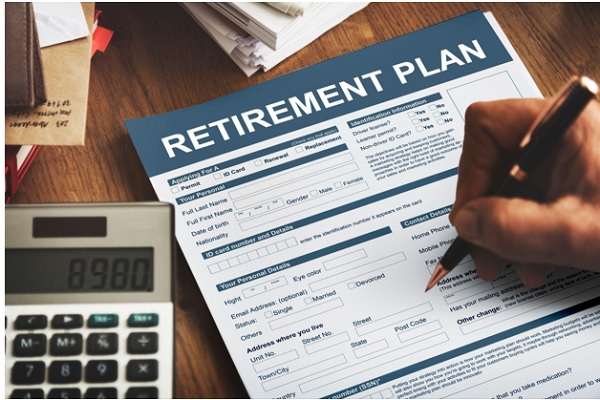
Create separate targets for short-, medium- and long-term needs. These could include buying a vehicle, pursuing further education, building a larger emergency fund, travelling or preparing for retirement.
Giving each goal a time frame and approximate amount makes financial planning more practical.
Protect Yourself From Major Financial Risks
Financial planning is not only about saving and investing. It is also about protecting your income and assets from unexpected events.
Understand the insurance provided through your employer and identify where additional protection may eventually be needed. Keep important financial documents organised and make sure account details and nominations are up to date.
Build Good Money Habits Early
The first few years of employment are a useful time to establish habits that can last for decades.
Automating savings, reviewing expenses, paying bills on time and regularly checking your financial goals can make money management easier. Small habits repeated consistently can have a much larger impact than occasional efforts.
Keep Learning About Personal Finance
Your first job is only the beginning of your financial journey. As your income, responsibilities and goals change, your financial plan should change with them.
Learn basic concepts such as inflation, compounding, taxes, interest rates, diversification and asset allocation. Better financial knowledge can help you make more informed decisions as your financial situation becomes more complex.
Review Your Plan Regularly
A financial plan should not be treated as a document that is created once and forgotten.
Review it periodically to see whether your income, expenses, savings and goals have changed. A new job, salary increase, major purchase or family responsibility may require adjustments.
Start Simple and Stay Consistent
You do not need a large salary or an advanced investment strategy to begin financial planning after your first job. Start by knowing your take-home income, tracking expenses, building an emergency fund, managing debt and setting clear goals.
The biggest advantage of starting early is not having a perfect plan. It is developing good financial habits while your responsibilities are still relatively manageable. Over time, those habits can provide a stronger foundation for larger financial decisions.