How to Save for Your First Car
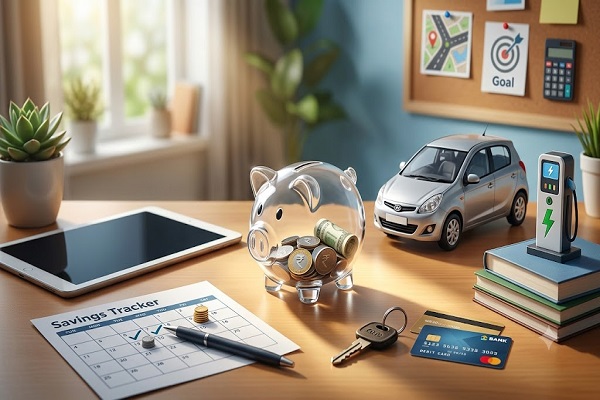
Buying your first car is an exciting milestone, but it also requires careful financial planning. Beyond the purchase price, you need to consider insurance, fuel, maintenance, registration, and other running costs. A proper savings plan can help you buy your first car without putting unnecessary pressure on your finances.
Here are some practical steps to help you save for your first car.
1. Set a Realistic Car Budget
Start by deciding how much you can realistically afford to spend. Don't choose a car based only on its showroom price. Include additional expenses such as insurance, registration, accessories, and initial maintenance.
A clear budget gives you a specific savings target and helps you avoid overspending.
2. Decide How Much You Need to Save
Once you select a budget, calculate how much money you need to arrange before buying the car. If you plan to make a down payment, determine the amount you want to pay upfront.
For example, if your target is to save Rs.3 lakh in two years, you would need to save approximately Rs.12,500 per month.
Breaking a large target into monthly amounts makes it much easier to track your progress.
3. Create a Separate Car Fund
Keep your car savings separate from your regular spending money. You can create a dedicated savings account or use another suitable savings option for your goal.
This reduces the temptation to spend the money on everyday purchases and makes your progress easier to monitor.
4. Automate Your Savings
One of the easiest ways to stay consistent is to save automatically after receiving your salary.
Set up an automatic transfer of a fixed amount to your car fund every month. Treat this amount like a mandatory expense rather than saving whatever is left at the end of the month.
5. Reduce Unnecessary Expenses
Review your monthly spending and identify expenses that can be reduced. Eating out frequently, unnecessary subscriptions, impulse purchases, and frequent online shopping can quietly consume a significant part of your income.
You don't have to eliminate everything you enjoy. Even redirecting a few thousand rupees each month toward your car fund can make a meaningful difference over time.
6. Increase Your Income
Cutting expenses has limits, but increasing your income can accelerate your savings.
Depending on your skills and available time, you could consider freelancing, part-time work, content creation, tutoring, or other legitimate income opportunities.
Whenever your income increases, consider directing a portion of the additional money toward your car fund instead of immediately increasing your lifestyle expenses.
7. Build an Emergency Fund First
Your car savings shouldn't completely replace your emergency savings.
Before making a major purchase, try to maintain a separate emergency fund that can help cover unexpected expenses such as job loss, urgent repairs, or other financial emergencies.
Buying a car should improve your life, not leave you financially vulnerable.
8. Don't Forget the Cost of Owning a Car
Saving for the purchase is only the beginning. A car comes with recurring expenses such as:
Fuel
Insurance
Servicing and maintenance
Tyres and battery
Parking
Tolls
Repairs
Registration-related costs
Before buying, estimate your monthly ownership cost and make sure it fits comfortably within your budget.
9. Be Careful With Car Loans
A car loan can make it easier to buy a vehicle sooner, but it also means committing to monthly payments and interest.
If you choose financing, compare interest rates, loan tenures, processing fees, and the total amount payable. A larger down payment can reduce the amount you need to borrow, although you should avoid using all your savings for it.
The goal isn't simply to get the lowest monthly EMI. The goal is to make sure the entire car purchase remains affordable.
10. Track Your Progress
Create a simple monthly tracker showing your target amount, current savings, monthly contribution, and remaining amount.
For example:
Car Savings Target: Rs.3,00,000
Current Savings: Rs.1,20,000
Monthly Savings: Rs.10,000
Remaining: Rs.1,80,000
Seeing your progress can keep you motivated and help you identify whether you need to increase your monthly savings.
11. Avoid Buying More Car Than You Need
Your first car doesn't necessarily have to be your dream car.
Choosing a reliable car that fits your actual needs can help you keep your purchase price and running costs under control. Once your income and financial situation improve, you can consider upgrading later.
Conclusion
Saving for your first car becomes much easier when you turn the goal into a clear financial plan. Set a realistic budget, create a dedicated car fund, automate your savings, reduce unnecessary expenses, and consider ways to increase your income.
Most importantly, remember that buying the car is only one part of the financial commitment. Planning for its ongoing expenses will help you enjoy your first car without turning it into a financial burden.