The Rise of Digital Wealth Management in India

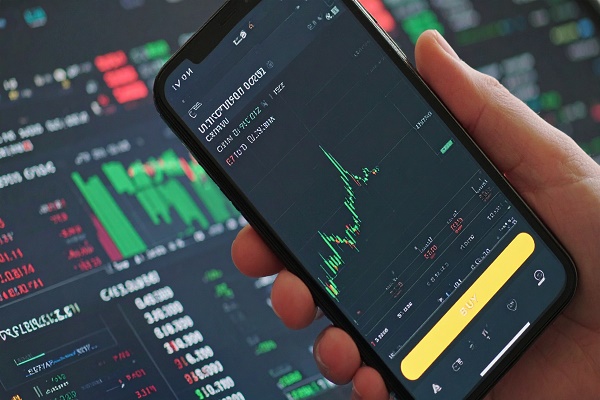
India’s wealth management landscape is changing rapidly as technology becomes a larger part of how individuals save, invest and monitor their finances. From mobile investment platforms to digital advisory services, technology is making financial information and investment tools more accessible to a wider section of the population.
The growth of smartphones, internet connectivity and digital financial services has also encouraged investors to take a more active role in managing their money. What was once largely dependent on traditional financial advisers and physical branches is increasingly being complemented by convenient digital platforms.
What Is Digital Wealth Management?
Digital wealth management refers to the use of technology to help individuals manage their savings, investments and broader financial goals. These services can include online investment platforms, portfolio tracking, automated investment solutions, digital financial planning and technology-enabled advisory services.
Depending on the platform, investors may be able to view their holdings, analyse portfolio performance, invest in financial products and monitor their financial goals through a single digital interface.
Why Is Digital Wealth Management Growing in India?
One of the biggest factors behind this trend is convenience. Investors can access financial information and investment services through smartphones without needing to visit a branch or maintain extensive paperwork.
The expansion of digital payments and online financial services has also helped consumers become more comfortable with managing financial transactions electronically. At the same time, growing awareness about mutual funds, equities, retirement planning and other investment avenues is encouraging more people to explore wealth-building options.
Another important factor is the availability of financial information online. Investors can now access educational content, market updates, calculators and portfolio-related information more easily than in the past.
Technology Is Making Investing More Accessible
Digital platforms have lowered several entry barriers for new investors. Account opening, identity verification, investment transactions and portfolio monitoring can often be completed online.
For first-time investors, user-friendly interfaces can make it easier to understand basic investment concepts and track their financial progress. However, accessibility does not remove investment risk. Investors still need to understand the products they are choosing and consider factors such as risk, liquidity, costs and investment horizon.
Role of Artificial Intelligence and Data Analytics
Artificial intelligence and data analytics are becoming increasingly relevant to digital wealth management. Technology can help analyse large amounts of financial data, identify patterns and provide personalised information or portfolio insights.
Some platforms may use automated tools to understand an investor’s financial objectives and risk preferences. Such technology can improve convenience, but automated recommendations should not be treated as a substitute for understanding the underlying investment products.
Personalised Financial Planning
Digital wealth platforms are increasingly moving beyond simple investment transactions. Many services now focus on financial goals such as retirement planning, children's education, emergency savings and long-term wealth accumulation.
Goal-based features can help investors connect individual investments with specific financial objectives. This approach may also encourage people to think about their finances over a longer period rather than focusing only on short-term market movements.
Benefits for Investors
Digital wealth management offers several potential advantages:
Convenience: Financial services can be accessed from smartphones and computers.
Transparency: Investors can monitor portfolios and transactions digitally.
Accessibility: Digital platforms can reach investors beyond major financial centres.
Faster transactions: Many investment processes can be completed electronically.
Portfolio tracking: Investors can monitor asset allocation and performance more easily.
Financial awareness: Online tools and educational resources can improve understanding of personal finance.
Challenges Investors Should Consider
The rapid growth of digital investing also brings challenges. Cybersecurity and protection of financial information are important concerns when managing money online.
Another issue is the possibility of making investment decisions based on incomplete information or short-term market trends. Easy access to trading and investment platforms can sometimes encourage frequent transactions without a clear financial strategy.
Investors should also check the regulatory status of financial service providers, understand fees and charges, read product documents carefully and avoid making decisions solely because of online recommendations or market trends.
The Future of Digital Wealth Management
India’s digital financial ecosystem is likely to continue evolving as technology, financial awareness and investor participation expand. Artificial intelligence, automated financial tools, digital advisory services and integrated investment platforms could play a larger role in the way people manage their finances.
The future of wealth management is therefore likely to combine technology with financial expertise. Digital tools can make investing more convenient, but sound financial planning, appropriate diversification and awareness of risk will remain important.
Conclusion
The rise of digital wealth management is changing the way Indians interact with their finances. Technology is making investment information, portfolio monitoring and financial planning more accessible and convenient.
For investors, the key is to use these digital tools as part of a disciplined financial strategy rather than viewing technology as a shortcut to guaranteed returns. As India’s digital finance ecosystem develops, informed decision-making will remain central to sustainable wealth creation.