How to Build a Weekly Spending Routine That Actually Works
How to Build a Weekly Spending Routine That Actually Works
Managing money does not always require a complicated budget or a detailed spreadsheet. Sometimes, a simple weekly spending routine is enough to understand where your money goes and make better financial decisions. By setting aside a little time each week to review expenses, plan purchases and check savings, you can build better money habits without making budgeting feel like a burden.
Start With a Weekly Money Check-In
Choose one day each week to review your finances. It could be Sunday evening or any other time that fits your schedule. Check your bank transactions, cash expenses and recent purchases to understand how much money you have spent.
This weekly review helps you notice spending patterns before they become difficult to manage. For example, you might realise that frequent food deliveries, small online purchases or last-minute shopping are taking up more of your budget than expected.
The aim is not to judge every purchase but to understand your financial habits.
Set a Spending Limit for the Week
Once you know your regular expenses, decide how much money you can comfortably spend during the coming week. Consider essentials such as groceries, transport, meals and household items before setting aside money for optional purchases.
Your weekly limit should reflect your actual income and monthly commitments. A realistic amount is more useful than an unnecessarily strict target that becomes difficult to follow.
If you receive a monthly salary, divide your available spending money into weekly portions after accounting for bills, savings and other important payments.
Plan Your Purchases in Advance
Making a short shopping list can prevent unnecessary spending. Before visiting a supermarket or shopping online, check what you already have at home and identify what you genuinely need.
You can also maintain a list of planned purchases throughout the week. This gives you time to compare prices and decide whether an item is necessary instead of buying it immediately.
For expensive purchases, consider waiting a day or two before making the final decision. A short pause can help distinguish between a genuine need and a temporary desire.
Track Small Expenses
Small purchases can be easy to forget because they may not seem significant individually. However, snacks, convenience-store visits, app subscriptions and delivery charges can add up over time.
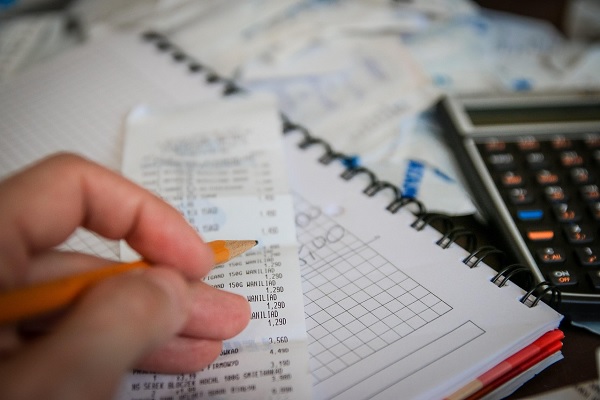
Keep a simple record using a notebook, a spreadsheet or a budgeting app. Write down the amount, the purchase and the date. You do not need an elaborate system; the best method is one you can maintain consistently.
Recording cash payments is particularly useful because they may not appear in your digital transaction history.
Separate Needs From Wants
Before spending money, ask yourself whether the purchase is necessary now or can wait. Needs usually include essentials such as groceries, transport and required household items, while wants may include impulse purchases, additional accessories or occasional treats.
This distinction does not mean eliminating every non-essential expense. A good spending routine should leave room for enjoyment while keeping important financial priorities on track.
The goal is to make deliberate choices rather than allowing every purchase to happen automatically.
Review Your Progress at the End of the Week
At the end of each week, compare your actual spending with your planned limit. Identify what went well, where you spent more than expected and whether any upcoming expenses need attention.
If you exceeded your target, look at the reason before changing the entire budget. An unexpected repair or a necessary purchase may justify the extra spending, while repeated impulse purchases might indicate an area where a small adjustment could help.
Use the information to make next week's plan more realistic.
Keep Savings Part of the Routine
Savings should not depend entirely on whatever money remains at the end of the month. When possible, decide on a suitable savings amount after accounting for essential expenses and set it aside regularly.
You might build an emergency fund, save for a planned purchase or contribute towards a long-term financial goal. Even modest, consistent contributions can help establish a saving habit, although the appropriate amount will depend on your income and obligations.
Avoid setting an unrealistic savings target that forces you to miss essential payments or rely on borrowing for everyday needs.
Conclusion
A weekly spending routine works best when it is simple, flexible and consistent. Reviewing transactions, setting a realistic spending limit, planning purchases and checking progress can help you understand your money without spending hours managing a budget.
Start with a short weekly check-in and adjust the routine as your needs change. Over time, these small actions can make everyday financial decisions more organised and help you stay focused on your priorities.