Global Food Prices Ease as Vegetable Oils Decline by Amit Gupta, Kedia Advisory
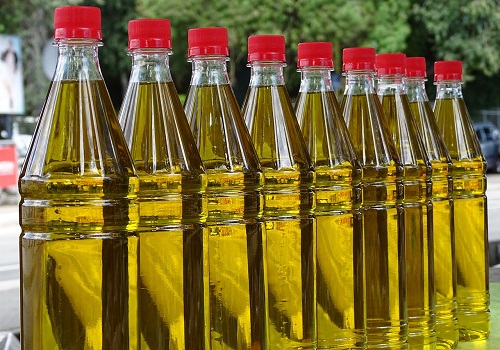
Global food prices edged lower in May as declines in vegetable oil prices offset gains in cereals and sugar, according to the UN Food and Agriculture Organization (FAO). The FAO Food Price Index slipped 0.2% from April but remained 2.9% higher than a year ago. Wheat and maize prices rose due to weather concerns, tighter supplies, and higher input costs, while sugar surged on expectations of reduced global availability. Vegetable oils recorded their first monthly decline of 2026 as palm and soy oil prices weakened. Meanwhile, FAO forecasts global cereal production to decline 2% in the 2026-27 season.
Key Highlights
- FAO Food Price Index fell 0.2% in May after recent gains.
- Wheat and maize prices increased on supply concerns and stronger demand.
- Sugar prices jumped 7.5% amid expectations of tighter global supplies.
- Vegetable oil prices declined 4.6%, ending a five-month rally.
- Global cereal production is forecast to fall 2% in 2026-27.
Global food prices recorded a modest decline in May as weakness in vegetable oil markets outweighed gains in cereals and sugar, according to the Food and Agriculture Organization (FAO). The FAO Food Price Index averaged 130.8 points during the month, down 0.2% from April. Despite the decline, the index remained near its highest level since early 2023 and was almost 3% higher than a year earlier.
Cereal prices continued to strengthen, providing support to the broader food market. Wheat prices rose for a fourth consecutive month as concerns over smaller exportable supplies from key producing countries, including the United States, supported market sentiment. Rising fuel and fertilizer costs linked to geopolitical tensions in the Middle East also contributed to higher production expenses and stronger wheat prices.
Maize prices moved higher as well, driven by robust import demand and tightening supplies in major exporting countries such as Brazil and the United States. These factors reinforced concerns about global grain availability heading into the new marketing season.
In contrast, vegetable oil prices declined 4.6%, marking their first monthly fall of the year. The correction was largely driven by lower palm oil and soybean oil prices amid expectations of weaker global demand and uncertainty in energy markets. However, vegetable oil prices remained more than 20% above year-ago levels, supported by continued demand from the biofuel sector.
Sugar emerged as one of the strongest-performing commodities, with prices rising 7.5% during May. The rally was fueled by concerns that global sugar supplies could tighten in the coming months, increasing the risk of market deficits.
Separately, the FAO projected global cereal production for the 2026-27 season at 2.98 billion tonnes, representing a 2% decline from the previous year, with wheat expected to record the largest production drop among major grains.
While lower vegetable oil prices provided temporary relief to global food inflation, rising cereal and sugar prices alongside declining grain production forecasts continue to pose upside risks for agricultural commodity markets.
Above views are of the author and not of the website kindly read disclaimer