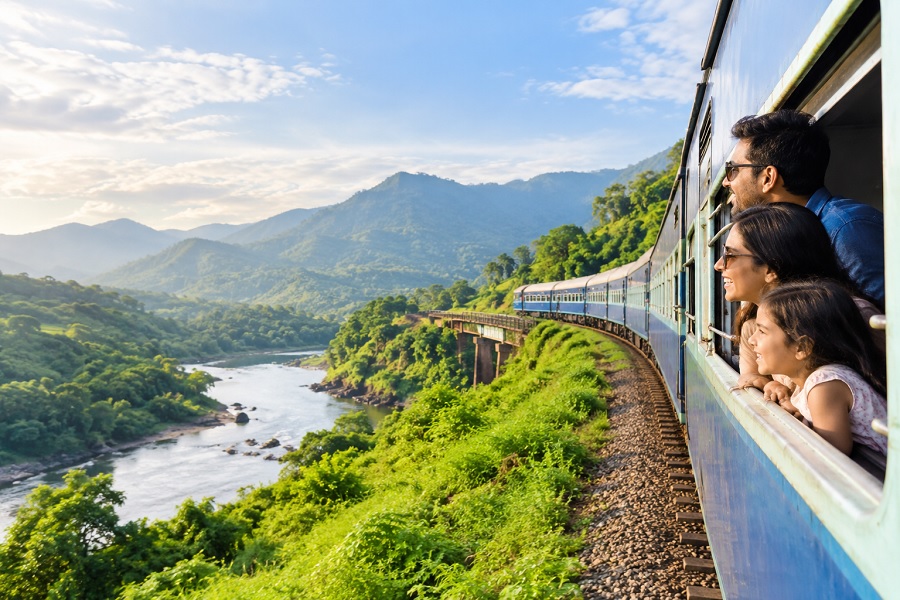
Geography Lessons Through Travel: Learning the World Beyond Books
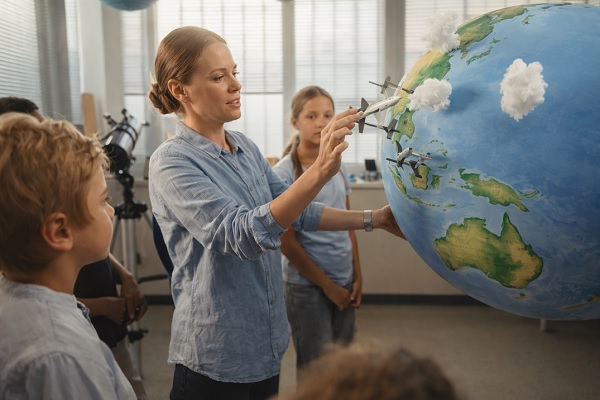
Travel is one of the most powerful ways to understand geography—not just as a subject, but as a living, breathing experience. While textbooks teach maps, climates, and landscapes, real-world travel brings these concepts to life. For families, especially those with children, combining travel with geography lessons creates a fun, immersive, and unforgettable learning journey.
Why Travel is the Best Geography Teacher
Geography is more than just memorizing capitals and countries—it’s about understanding how the world works. When families travel, they experience:
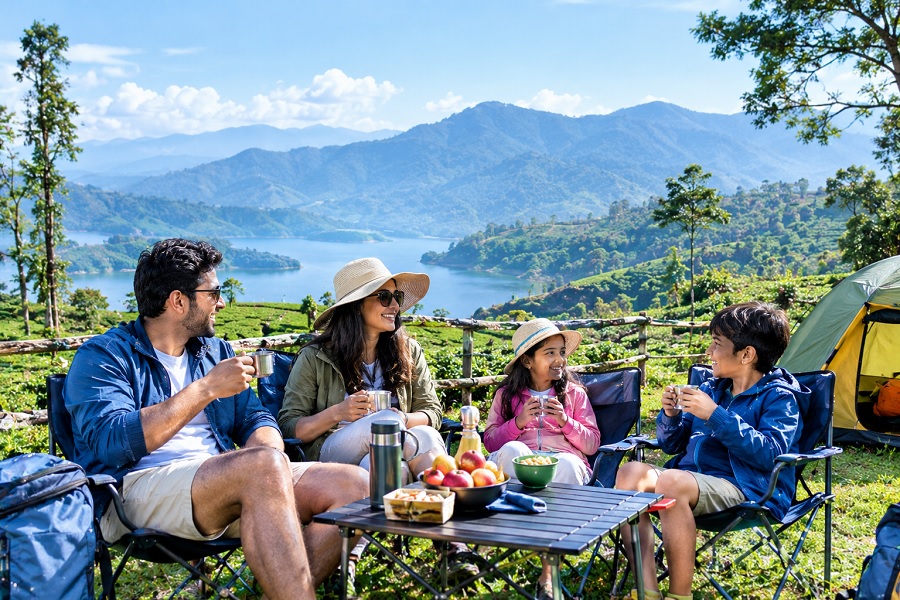
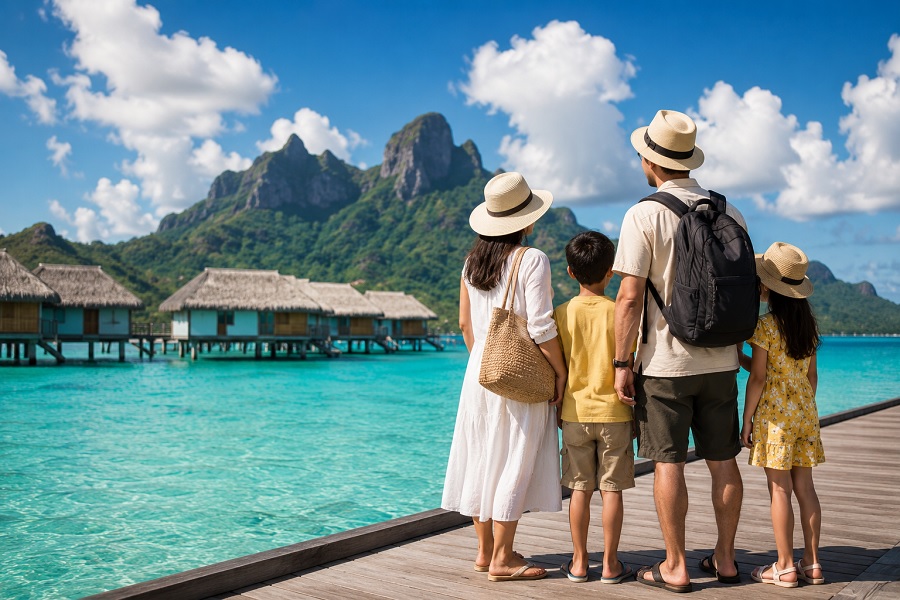
Different landscapes like mountains, beaches, deserts, and forests
Climate variations from tropical heat to snowy regions
Cultural diversity influenced by geography
Local lifestyles shaped by natural surroundings
Seeing these elements firsthand helps children grasp concepts much faster and more effectively than classroom learning alone.
Learning Through Real Experiences
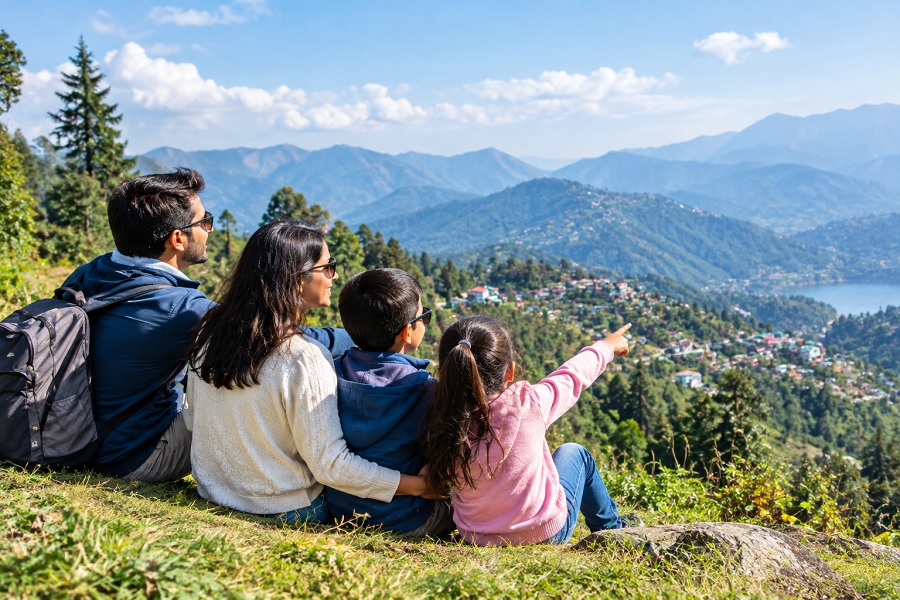
Imagine standing in the Himalayas and understanding mountain formation, or walking along a coastline and learning about tides and erosion. Travel allows children to:
Observe natural landforms directly
Understand ecosystems and biodiversity
Learn about water bodies like rivers, lakes, and oceans
Experience urban vs rural geography
These real-life encounters make geography interactive and exciting.
Fun Ways to Teach Geography While Traveling
Map Reading Activities
Give kids a map and let them track your journey. It builds navigation skills and spatial awareness.
Landmark Exploration
Visit famous landmarks and discuss their geographical significance.
Local Food & Culture
Teach how geography influences cuisine and traditions.
Weather Observation
Encourage kids to note temperature, rainfall, and seasonal changes.
Travel Journals
Ask children to write or draw what they observe in different locations.
Educational Benefits for Children
Enhances critical thinking and observation skills
Improves memory retention through real experiences
Builds global awareness and cultural sensitivity
Encourages curiosity and lifelong learning
Develops problem-solving and adaptability
Travel-based learning turns education into an adventure rather than a routine.
Combining Fun and Learning
The beauty of geography through travel is that it never feels like studying. Whether it’s exploring a forest, visiting a historical site, or walking through a bustling city, every moment becomes a lesson. Kids learn naturally while enjoying the journey.
Tips for Parents
Plan trips that include diverse geographical features
Use interactive tools like maps and travel apps
Encourage questions and discussions
Keep learning fun and pressure-free
Combine education with adventure activities
Conclusion
Geography lessons through travel offer a unique opportunity to connect education with real-world experiences. It helps children understand the planet in a deeper, more meaningful way while creating unforgettable family memories. In a world that’s increasingly interconnected, raising globally aware children through travel is one of the greatest gifts parents can give.