From Farm to Plate: A Guide to Exceptional Hotel Dining Experiences
Farm-to-Table Hotel Dining Reviews: A Complete Guide for Travelers
Introduction
Farm-to-table hotel dining is becoming an appealing choice for travelers who want fresh food, local flavors, and a closer connection with the places they visit. These dining experiences focus on using ingredients sourced directly from nearby farms, gardens, fisheries, food producers, and other local suppliers.
For hotels and resorts, farm-to-table dining can provide a distinctive culinary identity while supporting local producers. For guests, it offers an opportunity to enjoy seasonal meals and understand where their food comes from.
A good farm-to-table hotel dining review should therefore look beyond the taste of individual dishes. It should consider ingredient quality, freshness, menu variety, service, sourcing practices, atmosphere, value, and the overall guest experience.
What Is Farm-to-Table Hotel Dining?
Farm-to-table dining is a food service approach that emphasizes sourcing ingredients from local farms and producers whenever practical.
At hotels, this concept may include:
Fresh vegetables from nearby farms
Herbs grown in hotel gardens
Locally produced dairy products
Regional grains and pulses
Fresh seasonal fruits
Locally sourced meat
Responsibly sourced seafood
Artisan bread
Local honey
Regional spices
Locally produced beverages
The exact meaning of "local" can vary by hotel and destination, so travelers should look for clear information about where ingredients are sourced.
Why Farm-to-Table Dining Is Popular
Travelers increasingly want food experiences that feel connected to the destination. Instead of eating standardized dishes that could be found anywhere, guests may prefer meals that reflect local agriculture and culinary traditions.
Farm-to-table dining can provide:
Fresher seasonal ingredients
Regional flavors
Greater menu variety
A connection with local producers
Unique culinary experiences
Opportunities to discover traditional recipes
Support for local businesses
For food-focused travelers, the restaurant can become an important part of the hotel experience.
What to Look for in a Farm-to-Table Hotel Review
A useful review should provide more than a general statement that the food was good.
Important review categories include:
Ingredient freshness
Local sourcing
Seasonal menu options
Food quality
Taste and presentation
Menu variety
Portion sizes
Dietary choices
Restaurant atmosphere
Service quality
Breakfast experience
Beverage selection
Price and value
Sustainability practices
Overall dining experience
These factors help readers decide whether the restaurant matches their expectations.
Ingredient Freshness
Freshness is one of the most important factors in farm-to-table dining.
Fresh vegetables, fruits, herbs, dairy products, and other ingredients can contribute to flavor and texture. A strong review can describe whether ingredients appear fresh and whether seasonal produce is incorporated meaningfully into the menu.
For example, a hotel surrounded by agricultural land may feature freshly harvested vegetables in breakfast dishes, salads, soups, or dinner menus.
Seasonal Menus
Farm-to-table restaurants often adjust menus according to seasonal availability.
Seasonal menus can introduce travelers to ingredients that are particularly fresh or locally abundant at a specific time of year.
A summer menu may emphasize fresh fruits and vegetables, while a winter menu could feature root vegetables, grains, legumes, soups, and warming regional dishes.
Seasonal dining can make repeat visits more interesting because the menu may change throughout the year.
Local Cuisine
A farm-to-table hotel restaurant can be an excellent place to experience regional cuisine.
Hotels may adapt traditional recipes using locally sourced ingredients while maintaining the character of the destination's culinary heritage.
Travelers can look for dishes that showcase:
Traditional spices
Regional grains
Local vegetables
Indigenous ingredients
Traditional cooking techniques
Local desserts
Regional beverages
This can turn a hotel meal into a cultural experience.
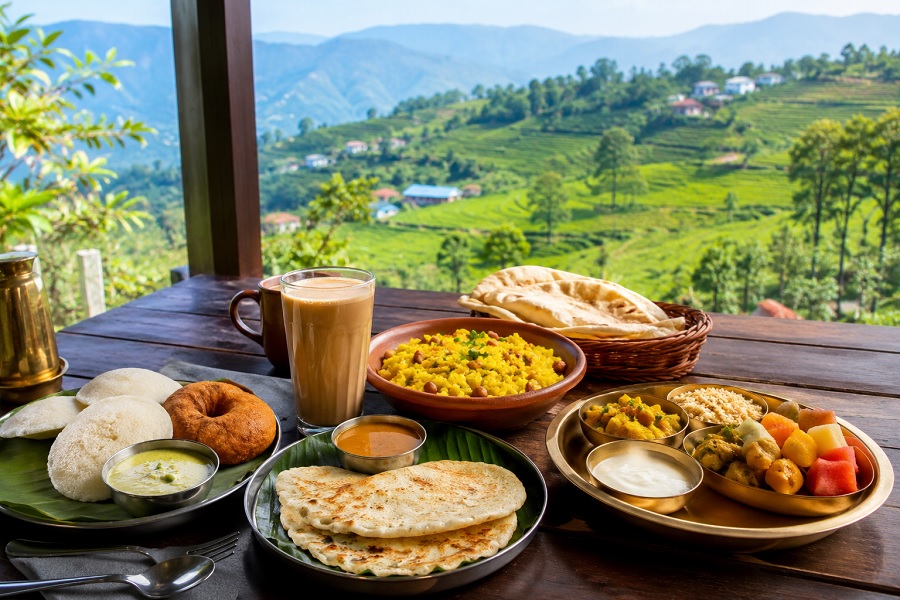
Farm-to-Table Breakfast Experiences
Breakfast is often one of the best opportunities to experience local ingredients.
A farm-to-table hotel breakfast might include:
Fresh seasonal fruit
Farm eggs
Homemade bread
Local cheese
Fresh yogurt
Regional breakfast dishes
Homemade preserves
Local honey
Fresh juices
Locally produced tea or coffee
Travelers reviewing breakfast should consider both the quality of ingredients and the range of choices available.
Restaurant Atmosphere
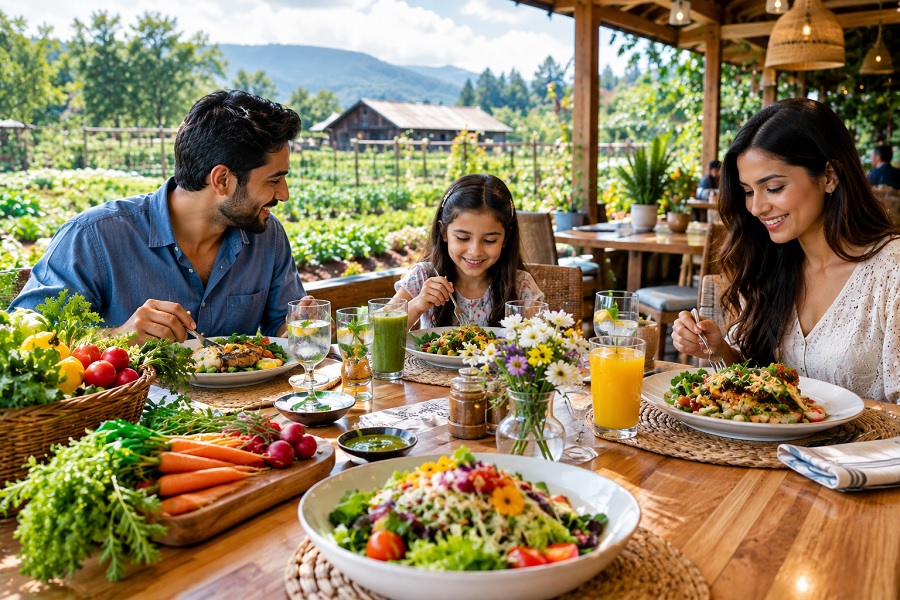
The physical setting can strongly influence a farm-to-table dining experience.
Some hotels create restaurants surrounded by gardens, farmland, vineyards, orchards, or natural landscapes.
Important elements to review include:
Seating arrangements
Outdoor dining
Views
Lighting
Décor
Cleanliness
Noise levels
Table presentation
Overall comfort
A beautiful natural setting can make the dining experience especially memorable.
Hotel Garden Dining
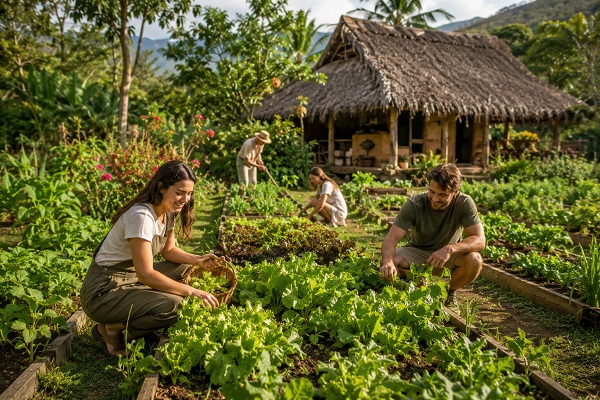
Some hotels grow herbs, vegetables, fruits, or edible flowers on their own property.
Hotel gardens can provide an interesting connection between cultivation and dining. Guests may even be able to see where certain ingredients are grown.
A review can mention whether the garden is actively used for the restaurant and whether the hotel provides information about its cultivation practices.
Supporting Local Farmers
One of the major potential benefits of farm-to-table hotel dining is support for local agricultural producers.
Hotels that purchase from nearby farmers can create demand for regional products. This can provide additional economic opportunities for farmers and food producers.
A thoughtful review should distinguish between genuine local sourcing and marketing language. Travelers can look for specific information about suppliers, farms, seasonal produce, and sourcing policies.
Sustainability and Food Waste
Sustainability is an important consideration in modern hotel dining.
Restaurants can reduce their environmental impact through practices such as:
Seasonal purchasing
Local sourcing
Food-waste reduction
Composting
Responsible packaging
Efficient water use
Energy-efficient equipment
Reusable service items
Responsible sourcing of animal products
However, local sourcing alone does not automatically make a restaurant fully sustainable. A comprehensive review should consider the hotel's broader practices.
Taste and Food Quality
Despite the sustainability benefits, taste remains central to any restaurant review.
Reviewers should consider:
Flavor balance
Ingredient quality
Cooking technique
Texture
Temperature
Presentation
Portion size
Consistency
Farm-to-table dining should deliver a satisfying meal rather than relying solely on its sustainability story.
Menu Variety
A successful farm-to-table restaurant should provide enough variety to accommodate different preferences.
A review can consider options for:
Vegetarian diners
Vegan diners
Children
Health-conscious travelers
Guests with food allergies
Travelers seeking regional specialties
Guests looking for familiar dishes
Hotels should clearly communicate ingredients and possible allergens whenever appropriate.
Service Quality
Hospitality plays an important role in the overall dining experience.
Reviewers should consider whether staff members are:
Friendly
Knowledgeable
Attentive
Efficient
Professional
Staff who can explain the origin of ingredients or describe seasonal dishes can make the experience more educational and engaging.
Value for Money
Farm-to-table dining can sometimes have higher prices because of ingredient quality, small-scale production, specialized preparation, and sourcing practices.
A useful review should consider whether the food, service, atmosphere, and overall experience justify the price.
Instead of focusing only on the cheapest option, travelers should compare the complete dining experience with other restaurants in the destination.
Farm Tours and Culinary Activities
Some hotels take farm-to-table dining further by offering interactive experiences.
These may include:
Farm tours
Vegetable harvesting
Cooking classes
Chef demonstrations
Food tasting sessions
Garden tours
Local market visits
Producer visits
Such activities can make the dining experience more educational and memorable.
Farm-to-Table Dining for Families
Families can benefit from farm-to-table hotel dining because children can learn about food production and healthy eating.
Hotels may offer activities such as vegetable garden tours, simple cooking classes, fruit picking, or child-friendly farm experiences.
These activities can help children understand how food moves from farms to restaurants and eventually to the dining table.
Farm-to-Table Dining for Couples
Couples may enjoy farm-to-table dining as part of romantic travel.
Outdoor dinners, garden restaurants, countryside settings, seasonal tasting menus, and locally produced ingredients can create distinctive dining experiences.
For couples, the atmosphere and setting can be just as important as the menu.
Farm-to-Table Dining for Solo Travelers
Solo travelers can use hotel restaurants as convenient opportunities to explore local cuisine without having to travel far from their accommodation.
Chef's counters, communal tables, cooking workshops, and food tastings can also provide opportunities for solo travelers to interact with other guests and learn about local food culture.
Farm-to-Table Hotel Dining in India
India offers significant opportunities for farm-to-table hotel dining because of its agricultural diversity and regional culinary traditions.
Hotels and resorts in rural and semi-rural destinations can highlight ingredients such as:
Millets
Seasonal vegetables
Mangoes
Bananas
Coconut
Spices
Rice
Pulses
Fresh dairy
Regional herbs
Different regions can create distinctive farm-to-table experiences based on their local agriculture and food traditions.
How Travelers Can Review a Farm-to-Table Restaurant
A useful review can follow a simple structure:
1. Location
Describe the hotel's setting and accessibility.
2. Restaurant Atmosphere
Explain the interior, outdoor area, views, and overall environment.
3. Menu
Discuss the variety and regional character of the menu.
4. Ingredients
Describe freshness and local or seasonal sourcing where information is available.
5. Food Quality
Evaluate taste, preparation, presentation, and portions.
6. Service
Describe staff professionalism and knowledge.
7. Sustainability
Mention practical environmental and sourcing initiatives.
8. Value
Consider the overall experience relative to the price.
9. Overall Experience
Summarize the strongest features and areas that could be improved.
Questions to Ask Before Booking
Travelers interested in farm-to-table hotel dining can ask:
Does the restaurant source ingredients locally?
Which ingredients come from nearby farms?
Does the menu change seasonally?
Does the hotel have its own garden?
Are vegetarian and vegan options available?
Can dietary requirements be accommodated?
Are food allergies clearly communicated?
Are farm visits available?
Does the restaurant offer local specialties?
Are reservations required?
These questions can help travelers choose an experience that genuinely matches their interests.
Tips for Writing Better Hotel Dining Reviews
A high-quality review should be specific and balanced.
Instead of writing only "the food was excellent," describe what made it enjoyable. Mention the dishes, ingredients, service, setting, and overall experience.
Reviewers should also distinguish personal preferences from objective observations. A dish may not suit everyone's taste, while facts such as restaurant opening times or menu availability should be verified before publication.
The Future of Farm-to-Table Hotel Dining
Farm-to-table hotel dining is likely to continue developing as hotels respond to growing interest in local food, sustainability, wellness, and authentic travel experiences.
Future hotel restaurants may increasingly combine:
Seasonal menus
Local agriculture
Digital menu information
Food traceability
Reduced food waste
Regenerative agriculture partnerships
Culinary education
Personalized dining
Plant-forward menus
Community-based food experiences
Technology may also help guests understand the origins of ingredients and the environmental practices behind their meals.
Conclusion
Farm-to-Table Hotel Dining Reviews provide travelers with valuable information about more than just restaurant food. They help readers understand how a hotel connects dining with local agriculture, regional cuisine, sustainability, hospitality, and the destination itself.
A strong review should examine ingredient freshness, local sourcing, seasonal menus, taste, service, atmosphere, sustainability, menu variety, and value for money.
For travelers seeking authentic culinary experiences, farm-to-table hotel dining can provide an enjoyable way to discover local flavors while connecting with the people and producers behind the food. As hotels continue to develop more locally focused and sustainable dining programs, these experiences are likely to become an increasingly important part of accommodation and culinary tourism.