Water-Conservation Hotel Reviews 2026: Best Sustainable Stays and Eco-Friendly Features
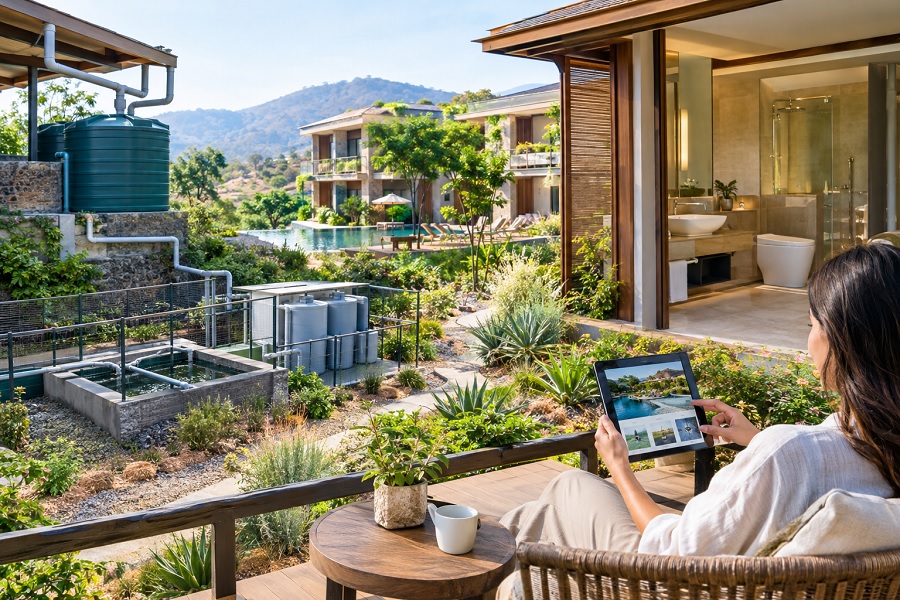
Water-Conservation Hotel Reviews in 2026: Sustainable Stays and Guest Experience
Water-conservation hotel reviews are becoming an increasingly useful part of sustainable accommodation research. Beyond room comfort, location and amenities, travellers can now look at how hotels manage water in guest bathrooms, laundry operations, kitchens, swimming pools, gardens and other facilities.
For hotels, water efficiency can reduce resource consumption and operating costs while supporting broader sustainability goals. The U.S. Environmental Protection Agency recommends that hotels assess water use, repair leaks, install efficient fixtures, improve irrigation practices and evaluate laundry and food-service operations as part of a hotel water-management programme.
In 2026, a useful hotel review can therefore consider not only whether a property claims to be sustainable, but also whether its water-saving practices are visible, practical and compatible with a comfortable guest stay.
What Is a Water-Conservation Hotel?
A water-conservation hotel is an accommodation property that takes deliberate steps to reduce unnecessary water use while maintaining appropriate guest services.
Water-saving measures may include:
Efficient showerheads and faucets
Low-water toilets
Leak detection systems
Water-use monitoring
Efficient laundry equipment
Smart irrigation
Rainwater harvesting
Reuse of suitable greywater
Pool water-management systems
Guest awareness programmes
The exact combination varies according to the property's location, climate, building design and available infrastructure.
Why Water Conservation Matters in Hotels
Hotels can have several significant water-use areas, including bathrooms, laundry, landscaping and kitchens. The EPA identifies these as important areas for hotel water management and recommends measuring water use to identify opportunities for improvement.
Water conservation can provide several benefits.
Environmental Benefits
Reducing unnecessary water consumption can help lower pressure on local water resources, particularly in destinations facing seasonal or long-term water constraints.
Lower Operating Costs
Efficient fixtures, leak prevention and better water management can reduce water and wastewater expenses. More efficient use of hot water can also reduce associated energy consumption.
Better Resource Management
Regular monitoring allows hotels to identify unusual consumption patterns and respond to leaks or inefficient equipment.
Stronger Sustainability Practices
Water management can form part of a broader hotel sustainability programme covering energy, waste, biodiversity and local communities.
Key Features to Look for in a Water-Conservation Hotel
When reviewing a hotel, travellers can look beyond general sustainability claims and check for specific practices.
1. Water-Efficient Bathroom Fixtures
Guest bathrooms are one of the most visible areas where water conservation can be implemented.
Look for:
Efficient showerheads
Low-flow faucets
Efficient toilets
Sensor or timed fixtures where appropriate
Clearly maintained plumbing
The EPA recommends efficient plumbing fixtures as part of hotel water-saving programmes.
2. Leak Detection and Maintenance
A well-managed hotel should have procedures for detecting and repairing leaks.
Even a small leak can become an ongoing source of unnecessary water loss. Water-use monitoring and prompt maintenance are therefore important components of a hotel water-management system.
3. Laundry Water Management
Hotels with large laundry operations can use substantial amounts of water.
Reviewers can look for:
Efficient washing equipment
Appropriate wash cycles
Linen-reuse programmes
Clearly communicated towel policies
Proper laundry management
Guest participation should be optional and clearly explained rather than presented in a misleading way.
4. Water-Smart Landscaping
Hotels with large gardens, lawns or outdoor recreational areas may use significant quantities of water for irrigation.
Water-conscious properties may use:
Drip irrigation
Native or drought-tolerant plants
Irrigation scheduling
Moisture monitoring
Reclaimed or alternative water sources where appropriate
The EPA specifically recommends water-smart landscaping and better irrigation practices for hotels.
5. Swimming Pool Water Management
Resort properties with swimming pools can look at how the hotel manages evaporation, filtration, cleaning and leaks.
Responsible pool management can help reduce avoidable water losses.
6. Kitchen Water Efficiency
Hotel restaurants and kitchens can also be reviewed for water-saving equipment and operational practices.
Potential measures include:
Efficient dishwashers
Water-efficient pre-rinse equipment
Efficient ice machines
Appropriate cleaning procedures
Reduced unnecessary running water
The EPA identifies commercial kitchen equipment and processes as an important area for water-efficiency improvements.
How to Review a Hotel's Water-Conservation Practices
A good review should combine observable features with information provided by the property.
Guest Room Review
Check whether the bathroom provides modern efficient fixtures, whether taps and showers function properly and whether there are visible leaks.
Housekeeping Review
Look at how the hotel communicates towel and linen reuse. A responsible programme should make the option understandable without compromising hygiene or guest choice.
Outdoor Areas
Review irrigation practices, garden design, water features and pool-management procedures where these are visible.
Hotel Information
Check whether the property publishes a sustainability policy, water-saving targets or measurable environmental information.
Staff Awareness
Staff should be able to explain basic hotel water-saving practices consistently when guests ask questions.
Water-Conservation Hotel Review Scorecard
A review can use several categories rather than focusing only on a property's sustainability label.
Review Area What to Check
Bathroom Fixtures Efficient showers, faucets and toilets
Leak Management Visible maintenance and prompt repairs
Laundry Efficient equipment and responsible linen practices
Landscaping Water-smart irrigation and plant selection
Pool Evaporation, filtration and maintenance practices
Kitchen Efficient dishwashing and food-service equipment
Monitoring Water measurement and tracking
Guest Information Clear sustainability communication
Transparency Published policies or measurable targets
Overall Experience Comfort maintained while conserving water
Hotel Water Conservation and Guest Comfort
Water conservation should not mean reducing essential guest comfort.
Well-designed systems can reduce unnecessary water use while maintaining a normal shower experience, clean rooms, reliable hot water and high hospitality standards.
This is an important point when writing a hotel review. A reviewer should consider whether conservation measures are integrated into the property's operations rather than simply shifting inconvenience to guests.
Are Water-Saving Guest Programmes Effective?
Guest participation programmes can contribute to water conservation, particularly through towel and linen reuse.
However, hotel operators should combine these programmes with behind-the-scenes measures such as efficient fixtures, leak detection and operational improvements.
The EPA's hotel guidance follows a broader approach of assessing water use, changing products or processes and tracking savings rather than relying on guest behaviour alone.
Rainwater Harvesting in Hotels
Rainwater harvesting can be an important water-management measure in appropriate climates.
Depending on local regulations and system design, collected rainwater may be used for suitable non-potable applications such as landscaping or other approved purposes.
Travellers reviewing a hotel can ask:
Does the property collect rainwater?
What is the water used for?
Is the system maintained?
Does the hotel explain the practice clearly?
The usefulness of rainwater systems varies according to rainfall, storage capacity and local infrastructure.
Greywater and Alternative Water Systems
Some hotels may reuse suitably treated water for approved non-potable applications.
Potential uses can include certain landscaping or flushing applications, depending on local regulations and treatment systems.
A review should distinguish between a genuine operational reuse system and a general claim about water recycling.
Smart Technology for Water Conservation
Technology can help hotels monitor consumption and identify unusual water use.
Potential systems include:
Smart water meters
Submetering
Leak alerts
Automated irrigation
Building-management systems
Digital maintenance monitoring
The EPA recommends monitoring and submetering as tools for understanding hotel water use and identifying problems.
Example of Water-Efficient Hotel Upgrades
Hotel water-efficiency improvements can produce measurable results.
An EPA case study of the Holiday Inn San Antonio International Airport reported that replacing bathroom fixtures across 397 guest rooms saved approximately 7 million gallons of water annually, along with energy and operating-cost savings.
The example illustrates why hotel water conservation can involve both environmental and operational benefits.
Water Conservation in Luxury Hotels
Luxury hotels and resorts can incorporate water-saving systems without compromising premium service.
Examples may include:
High-performance efficient fixtures
Smart bathroom controls
Sustainable landscaping
Efficient laundry operations
Water monitoring
Reuse systems
Responsible pool management
Sustainable food-service equipment
In a luxury hotel review, the key question is whether sustainability is built into the operation while maintaining expected service quality.
Water Conservation in Budget Hotels
Budget properties can also make meaningful improvements.
Lower-cost measures may include:
Fixing plumbing leaks
Installing efficient aerators
Using appropriate toilet systems
Improving housekeeping procedures
Adjusting irrigation schedules
Tracking water bills
Training staff
Water conservation does not necessarily depend on expensive technology.
Eco-Resorts and Water-Conservation Reviews
Eco-resorts often position water management as part of their environmental identity.
A review should still examine practical evidence rather than relying solely on marketing language.
Useful questions include:
Is water use monitored?
Are conservation practices explained?
Does the property use local or climate-appropriate landscaping?
Are efficient fixtures installed?
Does the hotel publish sustainability information?
Are conservation claims specific and measurable?
Water-Conservation Hotel Reviews in India
India's diverse climates make water management particularly relevant to hotel and resort operations.
Properties in areas facing seasonal water stress may place greater emphasis on:
Rainwater harvesting
Efficient plumbing
Wastewater treatment
Water reuse
Smart irrigation
Reduced landscaping demand
Guest awareness
The usefulness of each measure depends on local water availability, regulations, climate and property design.
Sustainable Hotel Certifications and Water Management
Some accommodation sustainability programmes evaluate water as one part of a broader environmental framework.
For example, Booking.com's sustainable accommodation framework has included water alongside waste, energy and greenhouse gases, local communities and nature as areas of sustainability practice.
A hotel review should distinguish between:
Certification: formal assessment under a recognised programme.
Hotel claim: a statement made by the property.
Observed practice: something the reviewer can directly verify.
This distinction makes accommodation reviews more useful and transparent.
New Water-Conservation Practices in 2026
In 2026, hotel sustainability discussions increasingly focus on practical operational improvements rather than simply presenting sustainability as a marketing feature.
A recent Green Key example from September 2026 highlights the use of low-flow devices and water-conscious practices at Crowne Plaza Rome St. Peter's as part of wider hotel sustainability efforts.
Emerging review areas include:
Smart water monitoring
Low-flow technology
Water-efficient housekeeping
Sustainable landscaping
Alternative water systems
Better guest communication
Data-based water management
Tips for Travellers Choosing a Water-Conservation Hotel
Before booking, travellers can check:
Whether the hotel publishes a sustainability policy.
Whether water-saving features are clearly described.
Whether sustainability information is specific rather than generic.
Whether the property has a recognised sustainability certification.
Whether the location faces seasonal water constraints.
Whether conservation measures affect the services that matter most to the traveller.
A property that provides clear, measurable information can make sustainable accommodation decisions easier.
Future of Water-Conservation Hotel Reviews
Hotel reviews are increasingly likely to cover sustainability alongside traditional factors such as cleanliness, location, food and service.
Future reviews may look more closely at measurable indicators such as:
Water use per guest night
Water recycling rates
Leak detection systems
Irrigation efficiency
Rainwater use
Certification status
Published sustainability targets
This can help move hotel sustainability reviews from general statements toward more useful and evidence-based comparisons.
Conclusion
Water-Conservation Hotel Reviews in 2026 provide travellers with a practical way to evaluate accommodation beyond conventional comfort and service ratings.
Efficient bathroom fixtures, leak management, responsible laundry operations, water-smart landscaping, pool management, efficient kitchens and water monitoring can all contribute to better hotel resource management. The EPA recommends a systematic approach based on assessing water use, making operational improvements and tracking results.
For travellers, the most useful hotel review is one that considers both sustainability and the actual guest experience. A well-designed water-conservation programme should help reduce unnecessary resource use while maintaining clean facilities, comfortable rooms and reliable hospitality.
In 2026, water management is becoming an increasingly important part of understanding what makes an accommodation property genuinely sustainable.