Taste of Tradition: Exploring India’s Diverse Regional Breakfast Culture
Regional Breakfast Tourism: Discovering India Through Its Morning Food Culture
Introduction
Regional Breakfast Tourism is an emerging food and travel experience that allows visitors to discover a destination through its traditional morning cuisine. In India, breakfast varies dramatically from one region to another, reflecting local ingredients, climate, history, agricultural practices and community traditions.
From poha in Madhya Pradesh and misal pav in Maharashtra to idli and dosa in South India, litti chokha in Bihar and kachori in Rajasthan, regional breakfasts offer travellers an authentic way to understand local culture.
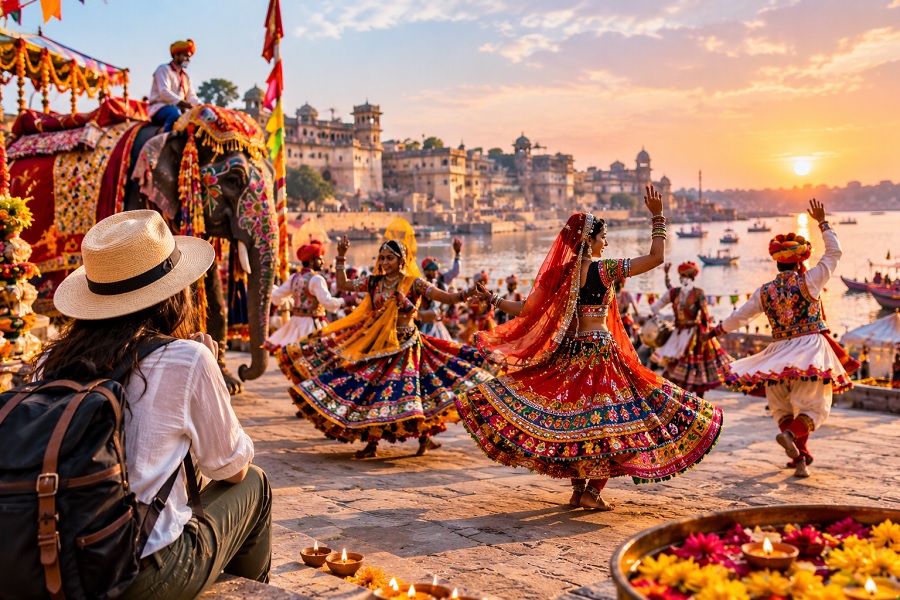
Food-led travel is gaining importance in India, with travellers increasingly looking for regional and authentic culinary experiences rather than relying only on conventional sightseeing. Current food and tourism trends also point toward hyper-local cuisine, heritage food experiences, cooking lessons and community-based culinary experiences.
What Is Regional Breakfast Tourism?
Regional Breakfast Tourism refers to travel experiences centred around the traditional breakfast foods and morning eating habits of a particular destination.
It can include:
Traditional breakfast food walks
Local morning markets
Street-food breakfast tours
Village breakfast experiences
Homestay breakfasts
Heritage café visits
Traditional cooking demonstrations
Farm-to-table breakfasts
Regional food festivals
Culinary heritage tours
The experience is not simply about eating a meal. It is about understanding the story, ingredients, people and traditions behind that meal.
Why Regional Breakfast Tourism Is Becoming Popular
Travellers are increasingly interested in authentic experiences that connect food with local culture. India's enormous regional diversity makes breakfast particularly suitable for this type of tourism.
A 2026 guide to Indian breakfast traditions highlights how different regions have distinct morning food cultures and eating patterns.
Breakfast tourism is also benefiting from the broader growth of culinary travel. Current industry research identifies regional and authentic dining experiences, street-food trails, cooking classes, food festivals, farm-to-table experiences and heritage food trails as important parts of India's culinary tourism landscape.
Regional Breakfast Experiences Across India
1. Maharashtra
Maharashtra offers a wide range of breakfast experiences, including poha, misal pav, sabudana khichdi, thalipeeth and vada pav.
Travellers can explore traditional breakfast spots in cities such as Pune, Mumbai and Nashik while combining food stops with heritage walks and local market visits.
2. Madhya Pradesh
Indore is particularly known for its morning food culture. Poha, often served with jalebi, is a popular breakfast experience for visitors.
A morning food trail can include traditional stalls, local markets and famous food streets before continuing to the city's cultural attractions.
3. South India
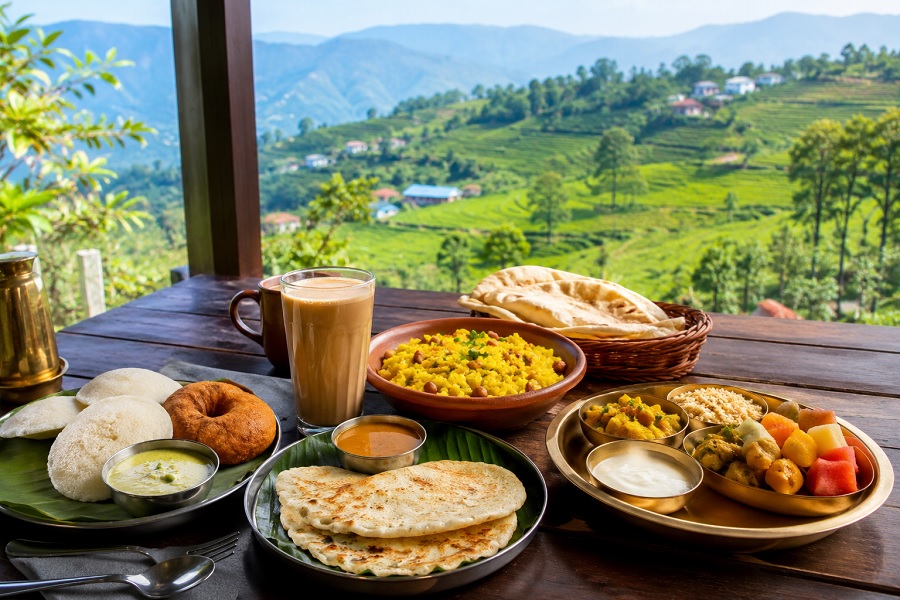
South Indian breakfast traditions include idli, dosa, vada, pongal, uttapam, appam and upma.
Tamil Nadu, Karnataka, Kerala, Andhra Pradesh and Telangana each have distinctive breakfast traditions. Travellers can explore traditional tiffin centres, local cafés and family-run restaurants to experience regional variations.
4. Gujarat
Gujarati breakfast culture includes dishes such as khaman, dhokla, fafda, jalebi, thepla and handvo.
Morning food tours in Ahmedabad, Vadodara and other Gujarati destinations can combine culinary experiences with markets, heritage neighbourhoods and traditional craft areas.
5. Rajasthan
Rajasthan offers hearty breakfast options such as kachori, mirchi vada and poha.
Visitors can explore morning food stalls in Jaipur, Jodhpur, Udaipur and other heritage destinations before visiting forts, palaces and traditional markets.
6. Punjab
Punjab is known for filling and flavourful morning meals. Parathas, chole, lassi and other regional specialities can form part of a Punjabi breakfast trail.
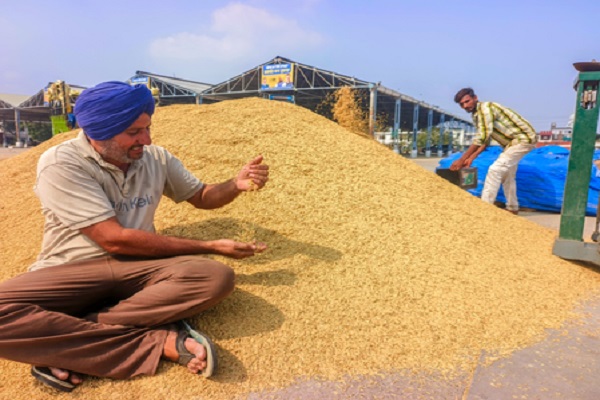
Food tourism in Punjab can also be combined with agricultural experiences, village visits and cultural attractions.
7. West Bengal
Kolkata and other parts of West Bengal offer breakfast traditions including luchi, aloo dum, kochuri and regional sweets.
A morning food walk through traditional neighbourhoods can provide visitors with a glimpse into Bengali food culture and everyday life.
8. Bihar
Bihar offers distinctive food experiences centred around dishes such as litti chokha and other traditional preparations.
Breakfast-focused travel can introduce visitors to local ingredients, cooking methods and the cultural history associated with Bihari cuisine.
9. Northeast India
The Northeast has some of India's most diverse and lesser-known food traditions. Breakfast experiences can introduce visitors to indigenous ingredients, rice-based foods, fermented preparations, vegetables and locally sourced products.
Responsible culinary tourism can provide additional income for local communities while helping preserve traditional food knowledge.
Village Breakfast Experiences
Village tourism can add another dimension to regional breakfast travel.
Travellers staying at rural homestays may experience freshly prepared meals made with locally sourced ingredients. Depending on the region, these breakfasts may include traditional breads, grains, dairy products, vegetables, fruits and regional beverages.
Such experiences can support rural households and encourage the continuation of traditional cooking practices.
Heritage Breakfast Tourism
Historic neighbourhoods often have long-established eateries and traditional food markets.
Travellers can begin their day with a regional breakfast before exploring forts, palaces, temples, old markets, historic streets or museums.
This combination creates a strong connection between culinary heritage and architectural heritage.
Farm-to-Table Breakfast Tourism
Farm-to-table breakfast experiences allow tourists to see where their food comes from.
Visitors may:
Walk through farms
Learn about seasonal crops
Collect fresh ingredients
Meet farmers
Participate in simple cooking activities
Enjoy a freshly prepared breakfast
These experiences can be particularly attractive to travellers interested in sustainability, agriculture and slow travel.
Traditional Cooking Experiences
Cooking classes can transform breakfast tourism from a passive activity into an interactive experience.
Travellers can learn how to prepare regional dishes under the guidance of local cooks, home chefs or culinary specialists.
India's culinary tourism trends already show growing interest in cooking lessons and traditional food knowledge.
Breakfast Tourism and Cultural Preservation
Traditional recipes are often passed from one generation to another. Tourism can create an additional reason to preserve these culinary traditions.
When travellers show interest in regional dishes, local cooks, small restaurants, farmers and food producers can gain greater economic opportunities.
Government-led culinary initiatives have also focused on reviving forgotten food traditions, indigenous ingredients, traditional cooking techniques and sustainable food practices.
Breakfast Tourism and Local Businesses
Regional breakfast tourism can benefit many small businesses, including:
Street-food vendors
Family-run restaurants
Local cafés
Homestays
Farmers
Dairy producers
Bakers
Spice sellers
Food artisans
Local tour operators
This makes breakfast tourism a potentially valuable form of community-based tourism.
Role of Social Media
Social media has helped transform local food into a travel attraction. Attractive photographs and short videos of regional dishes can inspire travellers to add specific food destinations to their itineraries.
However, travellers should look beyond viral dishes and seek authentic experiences that respect local communities and food traditions.
Sustainable Regional Breakfast Tourism
Responsible breakfast tourism should focus on local sourcing, seasonal ingredients and reduced food waste.
Travellers can contribute by choosing locally owned establishments, carrying reusable containers where appropriate, avoiding excessive food waste and respecting local dining customs.
The growing focus on indigenous ingredients, traditional food practices and sustainability is also shaping India's wider culinary tourism landscape.
Tips for Travellers
Research local breakfast traditions before visiting.
Start food tours early to experience authentic morning markets.
Choose locally owned eateries where possible.
Try seasonal and lesser-known dishes.
Ask about the history of traditional foods.
Respect local dining customs.
Avoid wasting food.
Consider village homestays for authentic experiences.
Combine breakfast with heritage or cultural sightseeing.
Support local food producers and small businesses.
Future of Regional Breakfast Tourism
Regional Breakfast Tourism has significant potential as travellers increasingly seek experiences based on local culture and authentic food.
The growing interest in hyper-regional cuisine suggests that future food tourism may move beyond broad state-level categories toward smaller communities, villages and micro-regions. The 2026 Godrej Food Trends Report specifically highlights growing interest in hyper-local culinary storytelling and destination-linked food experiences.
Breakfast can become an especially effective tourism product because it is affordable, accessible and deeply connected to everyday local life.
Hotels, homestays, tourism boards, restaurants and local communities can develop dedicated breakfast trails, cooking workshops, heritage food walks and farm experiences to attract food-focused travellers.
Conclusion
Regional Breakfast Tourism offers travellers a simple yet meaningful way to explore India's culinary and cultural diversity. A breakfast dish can reveal the ingredients grown in a region, the traditions followed by its people and the history that shaped its cuisine.
Whether it is enjoying poha in Indore, dosa in South India, kachori in Rajasthan or a traditional village breakfast, these experiences allow travellers to begin their day by tasting the authentic character of a destination.
As food-led and experience-based travel continues to grow, regional breakfast tourism can become an important part of India's Travel & Leisure sector while supporting local businesses and helping preserve culinary heritage.