Food Tourism in Maharashtra
Food Tourism in Maharashtra: A Delicious Journey Through Regional Flavors and Culinary Heritage
Food Tourism in Maharashtra offers travelers an exciting way to discover the state's culture, history, geography, and local traditions through food. From the bustling street-food lanes of Mumbai and Pune to the seafood-rich Konkan coast, spicy Kolhapuri dishes, and bold Saoji cuisine of Vidarbha, Maharashtra provides an impressive variety of culinary experiences.
The state's diverse geography has played an important role in shaping its food culture. Coastal Maharashtra is known for seafood, coconut, and kokum-based flavors, while inland regions are famous for dishes built around grains such as jowar and bajra, along with spicy chutneys, pickles, and traditional preparations. Hill destinations such as Mahabaleshwar and Matheran are also associated with strawberries, mulberries, and other local produce.
Exploring Maharashtra Through Food
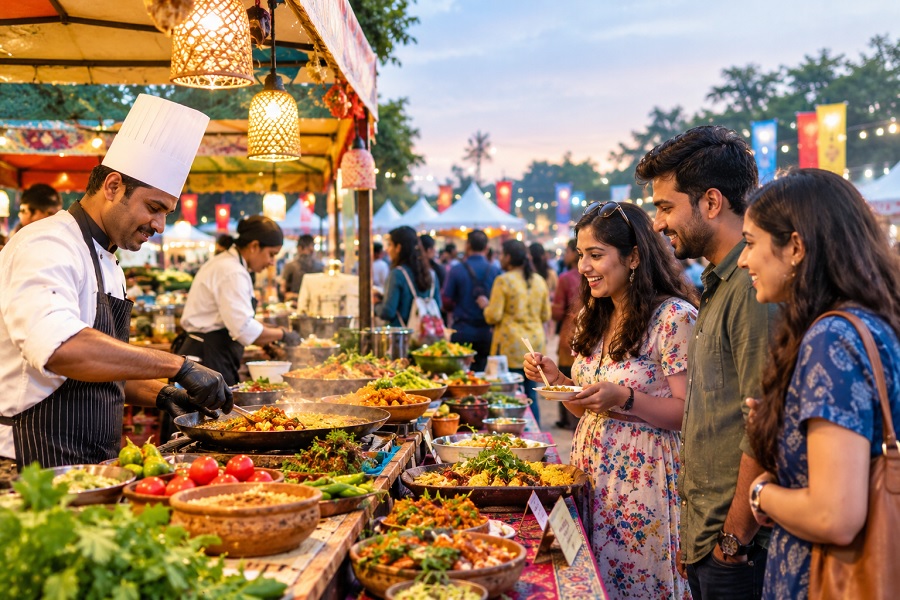
Food tourism in Maharashtra is not limited to eating at restaurants. Travelers can explore local markets, traditional food stalls, village kitchens, farms, food festivals, home-style meals, and regional culinary traditions.
A food-focused journey through Maharashtra can reveal how ingredients and cooking styles change from one region to another. A traveler moving from Mumbai toward the Konkan coast may encounter seafood and coconut-based dishes, while journeys toward western Maharashtra can introduce visitors to spicy preparations and traditional vegetarian meals.
The diversity of the state's food culture makes it possible to design culinary trips around specific regions, ingredients, dishes, or cooking traditions.
Mumbai: The Street Food Capital of the State
Mumbai is one of the best starting points for exploring Maharashtra's food tourism scene. The city's food culture reflects its cosmopolitan character and fast-paced lifestyle.
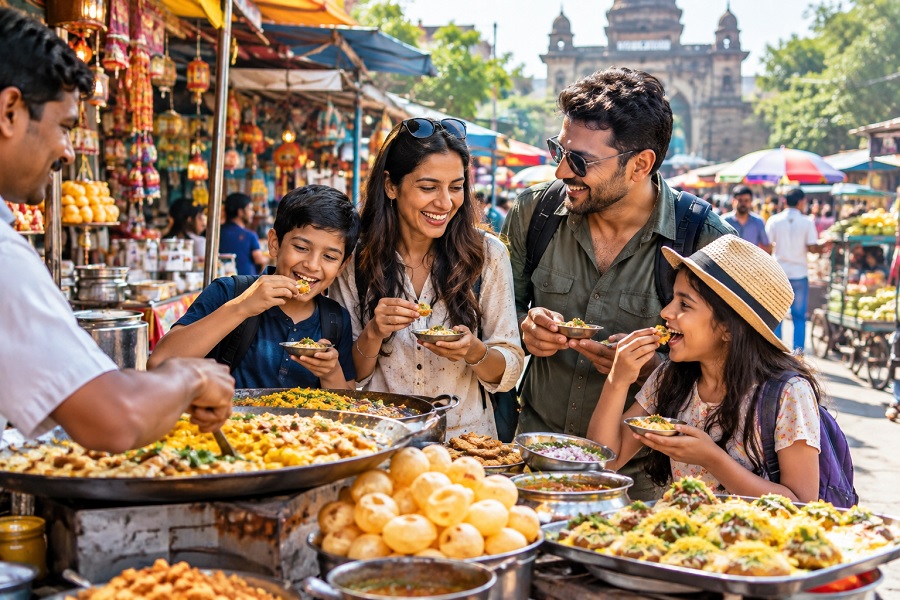
Visitors can explore popular foods such as vada pav, pav bhaji, misal pav, bhel puri, pani puri, ragda patties, sabudana vada, and kanda bhaji. These foods have become closely associated with the city's everyday food culture and provide an accessible introduction to Maharashtra's vibrant street-food traditions.
Food walks through traditional markets and busy neighborhoods can offer visitors a chance to experience the relationship between local communities and food. Travelers can also explore how Maharashtrian cuisine exists alongside Gujarati, South Indian, North Indian, and international culinary influences in Mumbai.
Pune's Culinary Experiences
Pune, often regarded as Maharashtra's cultural capital, offers another important destination for food tourism. The city combines traditional Maharashtrian cuisine with a diverse contemporary food scene.
Visitors can explore traditional dishes, street food, local snacks, food markets, and regional specialties. Misal pav remains an important food experience for travelers, while the city's broader culinary scene includes influences from neighboring regions and international cuisines.
A culinary tour of Pune can be combined with visits to historic neighborhoods, cultural attractions, museums, and heritage sites, creating a travel experience that connects food with the city's history and identity.
Konkan and Malwani Food Tourism
The Konkan coast offers one of Maharashtra's most distinctive culinary experiences. The region's proximity to the Arabian Sea has influenced a cuisine rich in seafood, coconut, and kokum.
Malwani cuisine is particularly popular among food travelers. It is known for aromatic spice blends, coconut-based preparations, seafood dishes, and flavorful curries. Travelers visiting the coastal region can explore local fish preparations, prawn dishes, coconut-rich curries, and traditional accompaniments.
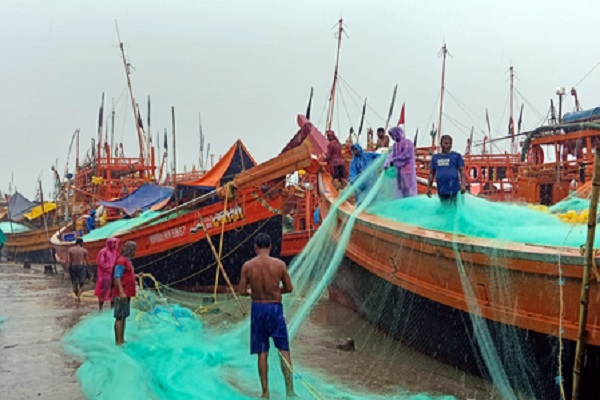
The coastal food experience becomes even more interesting when combined with visits to fishing villages, beaches, forts, local markets, and homestays. This creates an opportunity for travelers to experience food as part of a wider coastal culture rather than as an isolated restaurant experience.
Kolhapuri Culinary Tourism
Kolhapur is famous for its bold and spicy culinary traditions. The region's cuisine is particularly appealing to travelers who enjoy strong flavors and aromatic spice blends.
Kolhapuri misal and tambda rassa are among the dishes associated with the region. Traditional meals can also introduce visitors to local meat preparations and breads that reflect the food culture of western Maharashtra.
A Kolhapur food tour can be combined with visits to local markets, cultural attractions, and historic sites, allowing travelers to understand how regional food traditions are connected with the identity of the destination.
Saoji Cuisine of Vidarbha
Nagpur and the wider Vidarbha region offer a very different culinary experience through Saoji cuisine. Known for intensely spicy flavors and aromatic gravies, Saoji food has become an important part of the region's culinary identity.
For travelers interested in exploring lesser-known regional cuisines, Saoji food tourism can provide a unique experience. Traditional meat-based dishes and rich gravies are particularly associated with this cuisine.
The growing interest in regional Indian cuisines also creates opportunities for Maharashtra's lesser-known culinary traditions to attract food travelers from other parts of India and abroad. Recent coverage of Saoji cuisine being introduced to diners in Japan demonstrates how regional Maharashtrian food is gaining wider international visibility.
Traditional Vegetarian Food Experiences
Maharashtra's food tourism is not only about spicy meat and seafood. The state has a rich variety of vegetarian dishes that reflect local ingredients and traditional cooking methods.
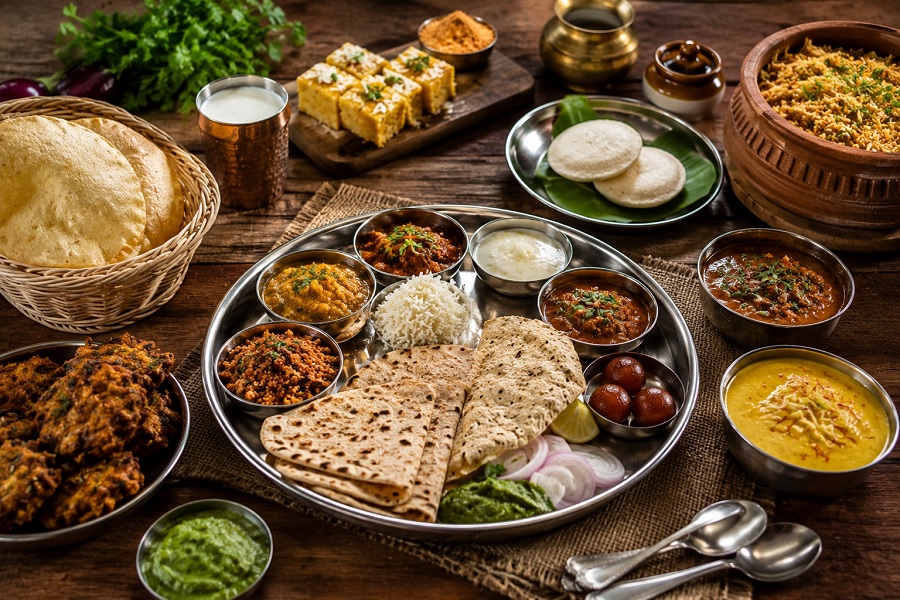
Travelers can explore foods such as bhakri, pithla, zunka, bharli vangi, thalipeeth, kothimbir vadi, sabudana khichdi, and a wide variety of chutneys and vegetable preparations.
Traditional Maharashtrian meals can offer visitors a deeper understanding of everyday food culture. Local grains, pulses, peanuts, coconut, seasonal vegetables, and spices play an important role in creating regional flavors.
Traditional Sweets and Festival Foods
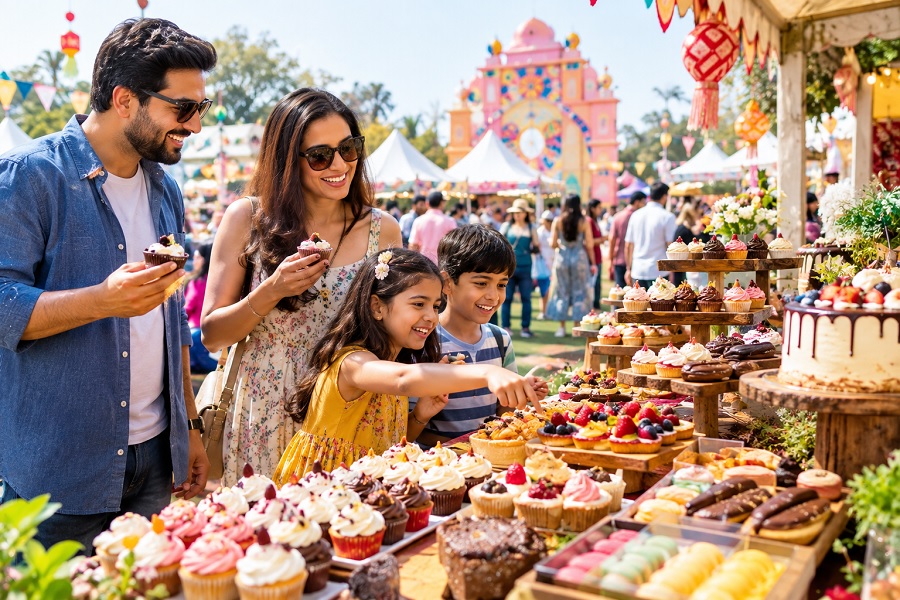
Food tourism in Maharashtra also includes a rich tradition of sweets and festive dishes. Puran poli and shrikhand are among the best-known examples, while different festivals and celebrations bring their own special foods.
During Ganesh Chaturthi, ukadiche modak is particularly significant. Other festivals feature dishes such as karanji, chakli, shankarpali, and various traditional sweets and snacks.
Exploring festival food can be a valuable way for visitors to understand the cultural connection between cuisine, celebrations, family traditions, and religious practices.
Food Markets and Culinary Walks
Local markets are an important part of Maharashtra's food tourism experience. Travelers can explore fresh produce, spices, seafood, seasonal fruits, snacks, sweets, and regional ingredients.
Guided food walks can make these experiences more meaningful by explaining the history and cultural significance of different foods. Visitors can also discover how local vendors prepare traditional dishes and how food markets serve as meeting points for communities.
Mumbai and Pune are particularly suitable for food walks, while smaller towns and coastal destinations can offer more localized experiences.
Food Tourism and Rural Maharashtra
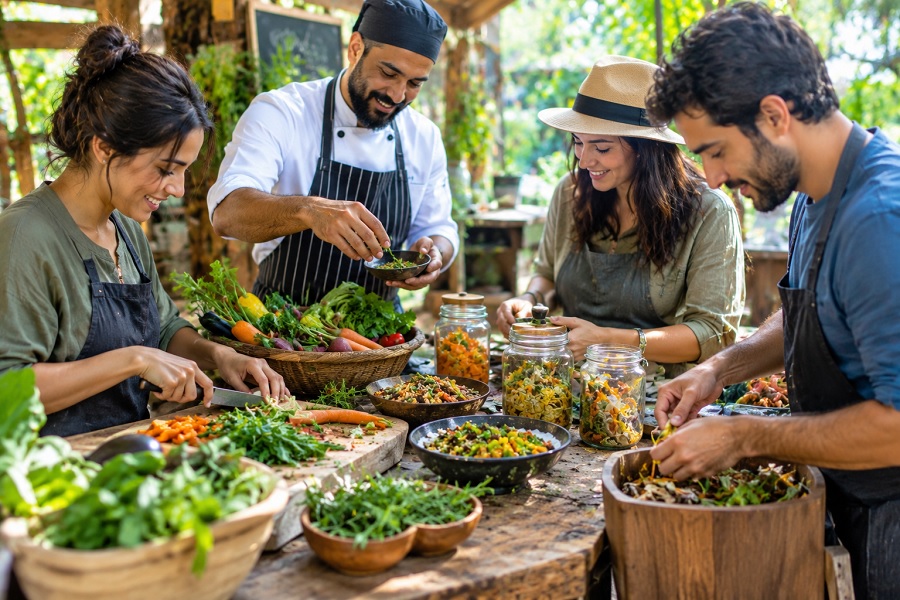
Rural Maharashtra has significant potential for culinary tourism. Village visits, farm stays, traditional kitchens, local food workshops, and agricultural experiences can introduce travelers to food traditions that are difficult to experience in urban restaurants.
Farm-to-table tourism can also connect visitors with local producers and seasonal ingredients. Travelers may have opportunities to learn about traditional farming practices, taste freshly prepared meals, and understand how local communities use ingredients available in their surroundings.
This form of tourism can provide additional income opportunities for rural communities while helping preserve regional food traditions.
The Future of Food Tourism in Maharashtra
The future of food tourism in Maharashtra is closely connected to the preservation and promotion of its diverse regional cuisines. Maharashtra Tourism currently highlights food and cuisine as an important part of the state's tourism identity, while its tourism policy framework also includes support related to the revival of scarce art, culture, and cuisine.
Future culinary tourism experiences could include regional food trails, village cooking workshops, farm stays, food festivals, heritage food walks, coastal seafood tours, spice experiences, and chef-led culinary journeys.
There is also an opportunity to promote lesser-known regional cuisines alongside famous dishes. Travelers who explore beyond well-known foods can discover the culinary diversity of Konkan, western Maharashtra, Khandesh, Marathwada, and Vidarbha.
Conclusion
Food Tourism in Maharashtra is a journey through the state's geography, history, communities, and cultural traditions. From Mumbai's energetic street food and Pune's diverse culinary scene to the seafood of Konkan, fiery flavors of Kolhapur, and distinctive Saoji cuisine of Vidarbha, every region offers something different.
For food lovers, Maharashtra provides an opportunity to travel through taste. The experience becomes even more meaningful when travelers explore local markets, meet food producers, learn traditional recipes, visit rural communities, and understand the stories behind regional dishes.
As culinary tourism continues to evolve, Maharashtra has the potential to become an even stronger destination for travelers seeking authentic, regional, and culturally immersive food experiences.