Family Temple Tourism: A Meaningful Journey of Faith, Culture, and Family Bonding
Introduction
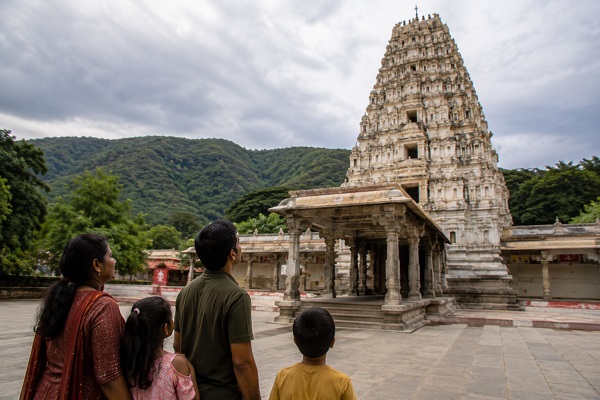
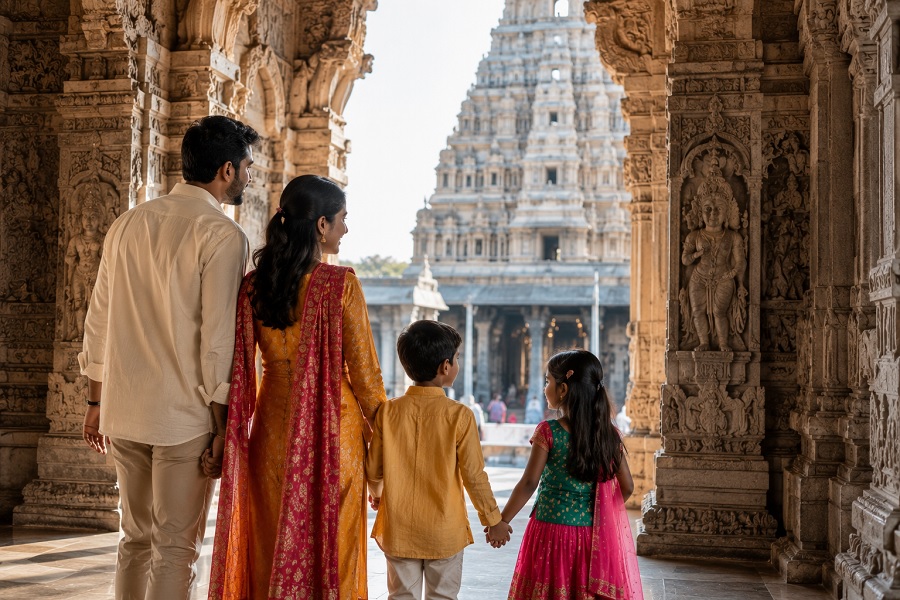
Family Temple Tourism is a growing form of travel that combines spirituality, cultural exploration, family bonding, and memorable experiences. Instead of visiting temples only for religious purposes, families increasingly plan temple journeys to discover history, architecture, traditions, local food, festivals, and the cultural heritage surrounding sacred places.
India is particularly well suited for family temple tourism because it has thousands of historic temples spread across different regions. From magnificent South Indian temple complexes to ancient North Indian pilgrimage towns, temple destinations offer experiences suitable for children, parents, grandparents, and travelers of different ages.
A family temple trip can become more than a pilgrimage. It can provide an opportunity for families to spend quality time together, introduce children to cultural traditions, explore historic architecture, and experience the customs of different communities.
What Is Family Temple Tourism?
Family Temple Tourism refers to traveling with family members to temples and associated religious, historical, cultural, and heritage attractions.
A family temple holiday may include:
Temple visits and prayers
Exploring historic architecture
Participating in traditional ceremonies
Learning about local mythology and history
Visiting museums and heritage sites
Exploring local markets
Enjoying regional cuisine
Attending religious festivals
Visiting nearby natural attractions
Spending quality time with family
The combination of spirituality, education, culture, and recreation makes temple tourism especially attractive for multigenerational families.
Why Family Temple Tourism Is Becoming Popular
Modern families often look for travel experiences that offer more than entertainment. Temple destinations can provide peaceful surroundings, cultural learning, and meaningful experiences.
Several factors are contributing to the popularity of family temple tourism:
1. Spiritual Experiences
Families can participate in prayers, rituals, meditation, and traditional ceremonies according to their beliefs.
2. Cultural Education
Children can learn about Indian traditions, mythology, architecture, festivals, and historical events through real-world experiences.
3. Family Bonding
Traveling together gives family members an opportunity to disconnect from everyday routines and spend meaningful time together.
4. Heritage Exploration
Many temples are architectural masterpieces with centuries of history. Exploring them can make a family trip both educational and memorable.
5. Multigenerational Travel
Temple destinations often appeal to grandparents and older family members while also offering cultural and sightseeing experiences for younger travelers.
Benefits of Family Temple Tourism
Strengthens Family Relationships
Shared experiences can create lasting memories. Visiting a sacred place, exploring a historic town, or participating in a festival can bring family members closer together.
Encourages Cultural Awareness
Children who visit temples and heritage destinations can develop a better understanding of traditions, architecture, languages, festivals, and regional customs.
Promotes Responsible Tourism
Many temple destinations support local guides, artisans, shopkeepers, restaurants, transportation providers, and accommodation businesses.
Provides Educational Experiences
Temple architecture can introduce children to subjects such as history, art, engineering, sculpture, mathematics, and conservation.
Offers Peaceful Travel
Many temple destinations provide opportunities for quiet reflection, meditation, and relaxation away from busy urban environments.
Best Types of Temple Destinations for Families
Different temple destinations provide different experiences. Families can select destinations according to their interests, ages, available time, and travel preferences.
Historic Temple Cities
Historic temple cities allow families to combine temple visits with heritage walks, museums, local markets, and traditional food.
Temple Towns
Temple towns often have a strong religious atmosphere and provide opportunities to learn about local customs and traditions.
Architectural Temple Complexes
Some temples are famous for detailed carvings, sculptures, towers, halls, and monumental architecture. These destinations are particularly interesting for families with older children.
Temple and Nature Destinations
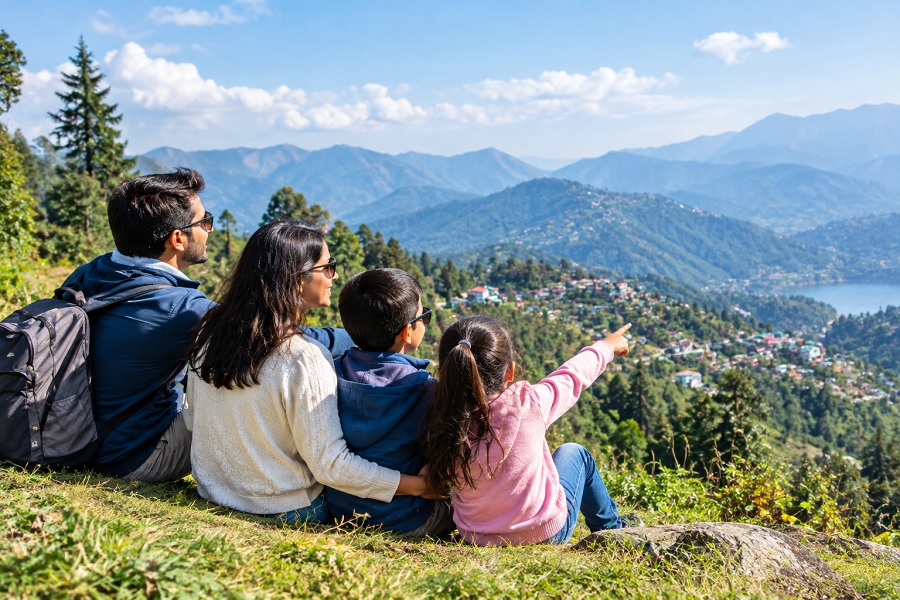
Some pilgrimage destinations are surrounded by rivers, forests, hills, beaches, or other natural attractions, allowing families to combine spirituality with nature tourism.
Popular Family Temple Tourism Destinations in India
Tirupati, Andhra Pradesh
Tirupati is one of India's best-known pilgrimage destinations. Families can combine a temple visit with exploration of nearby attractions and local cultural experiences.
Madurai, Tamil Nadu
Madurai is famous for the magnificent Meenakshi temple complex and its distinctive Dravidian architecture. Families can also explore markets, heritage areas, and local cuisine.
Varanasi, Uttar Pradesh
Varanasi offers a unique combination of temples, riverfront experiences, cultural traditions, historic streets, and spiritual activities. Families should plan carefully because some areas can be crowded.
Mathura and Vrindavan, Uttar Pradesh
These destinations are closely associated with Krishna traditions and attract families throughout the year. Festivals can make the experience particularly vibrant.
Rameswaram, Tamil Nadu
Rameswaram is an important pilgrimage destination known for its temple architecture and coastal setting. Families can combine spiritual visits with sightseeing around the island.
Puri, Odisha
Puri is famous for the Jagannath Temple and its long-standing religious and cultural traditions. The destination also offers a beach and other attractions.
Dwarka, Gujarat
Dwarka is an important pilgrimage destination associated with Krishna traditions. Families can explore temples and nearby coastal attractions.
Ujjain, Madhya Pradesh
Ujjain is a historic pilgrimage city known for Mahakaleshwar Temple and its religious traditions. Families can explore other heritage attractions in the city.
Haridwar and Rishikesh, Uttarakhand
These destinations combine pilgrimage experiences with the Ganges, temples, cultural activities, and nature-based attractions.
Family-Friendly Activities Around Temples
A temple trip does not have to consist only of temple visits. Families can include a variety of activities in their itinerary.
Heritage Walks
Walking through historic areas can help families discover old buildings, traditional markets, sculptures, and local stories.
Local Food Experiences
Trying regional vegetarian dishes, traditional sweets, snacks, and temple-associated foods can become an important part of the trip.
Cultural Performances
Depending on the destination and season, families may experience classical music, dance, religious performances, storytelling, or cultural festivals.
Local Shopping
Temple towns often have markets selling handicrafts, devotional items, textiles, traditional artwork, souvenirs, and locally produced goods.
Photography
Families can capture architecture, landscapes, markets, and memorable moments while respecting temple photography rules and local customs.
Planning a Family Temple Trip
Good planning is particularly important when traveling with children or older family members.
Choose the Right Season
Check the weather before traveling. Comfortable temperatures can make walking and sightseeing easier.
Research Temple Rules
Some temples have specific rules regarding clothing, footwear, photography, food, entry timings, or visitor behavior.
Plan Rest Periods
Avoid scheduling too many temples in one day. Include sufficient breaks, especially for young children and senior citizens.
Book Accommodation Carefully
Choose accommodation based on accessibility, cleanliness, family room options, distance from major attractions, and transportation convenience.
Carry Essentials
Families should consider carrying:
Drinking water
Comfortable footwear where permitted
Basic medicines
Sun protection
Light clothing appropriate for the destination
Snacks for children
Identification documents
Necessary travel bookings
Family Temple Tourism With Children
Temple tourism can be a valuable educational experience for children when presented in an engaging way.
Parents can explain:
The history of the temple
Stories associated with the destination
Architectural features
Traditional festivals
Local customs
Important historical figures
The meaning of different cultural practices
Instead of expecting children to spend long periods in queues or ceremonies, families can balance temple visits with sightseeing, food experiences, nature activities, and interactive cultural experiences.
Temple Tourism for Senior Citizens
Many families travel with grandparents, making accessibility an important consideration.
Before visiting, families should check:
Walking distances
Availability of seating
Wheelchair accessibility
Steps and slopes
Queue arrangements
Weather conditions
Nearby medical facilities
Transportation availability
A slower itinerary with regular breaks can make the trip more comfortable for older travelers.
Responsible Family Temple Tourism
Responsible tourism is essential at religious destinations because many temples attract large numbers of visitors.
Families can practice responsible tourism by:
Keeping temple areas clean
Avoiding littering
Following local rules
Respecting religious practices
Dressing appropriately
Avoiding unnecessary noise
Supporting local businesses
Avoiding damage to heritage structures
Using water responsibly
Reducing single-use plastic
Children can also be encouraged to participate in responsible tourism practices, turning the trip into an educational experience.
Economic Importance of Temple Tourism
Temple tourism contributes significantly to local economies. Visitors spend money on accommodation, transportation, food, shopping, guides, cultural experiences, and local services.
This creates opportunities for:
Small businesses
Local artisans
Tour guides
Restaurants
Hotels and guesthouses
Transportation providers
Handicraft sellers
Cultural performers
When tourism is managed responsibly, the economic benefits can reach local communities while supporting heritage conservation.
Challenges of Family Temple Tourism
Despite its benefits, temple tourism can present several challenges.
Large Crowds
Major temples can become extremely crowded during festivals and holidays.
Long Queues
Popular pilgrimage sites may have significant waiting times, which can be difficult for young children and elderly travelers.
Traffic and Parking
Temple towns may experience congestion during peak periods.
Waste Management
Large visitor numbers can increase waste, particularly around major pilgrimage events.
Commercialization
Excessive commercialization can sometimes affect the cultural atmosphere of historic temple areas.
Heritage Conservation
Heavy visitor traffic can place pressure on ancient structures and monuments.
Better visitor management, infrastructure, sanitation, accessibility, and heritage conservation are important for addressing these challenges.
The Future of Family Temple Tourism
The future of family temple tourism is likely to focus increasingly on comfort, accessibility, cultural education, sustainability, and digital services.
Technology can help visitors access information about temple timings, crowd levels, routes, accommodation, transportation, and local attractions.
Destinations can also improve family-friendly facilities such as clean restrooms, drinking-water stations, shaded waiting areas, medical facilities, seating areas, accessible pathways, and organized transportation.
Sustainable tourism practices will become increasingly important as popular temples manage growing visitor numbers.