Family Night Nature Tours: Exploring the Wonders of Nature After Dark
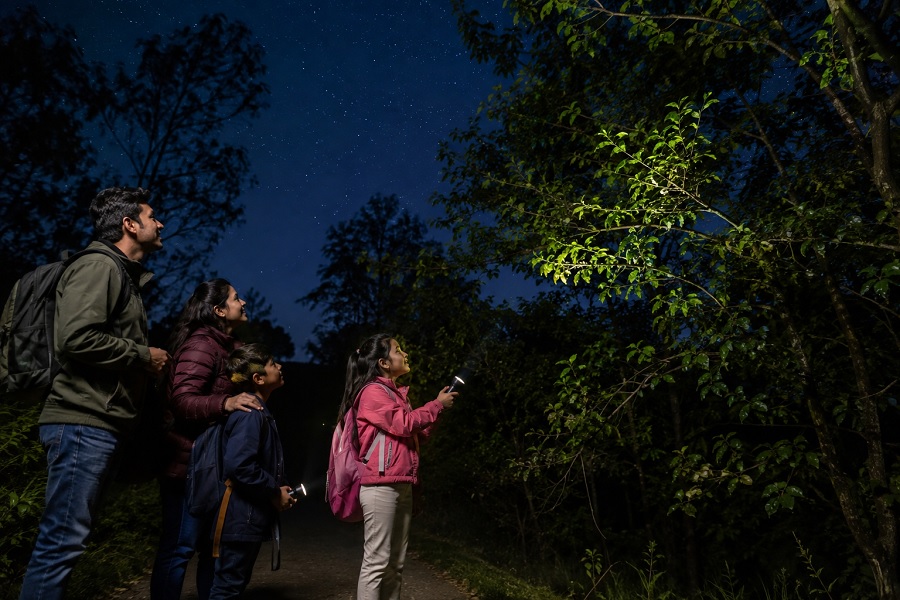
Family Night Nature Tours: Discovering the Magic of Nature After Dark
Introduction
Family Night Nature Tours offer a unique way for parents and children to experience the natural world after sunset. Instead of limiting nature trips to daytime activities, families can explore guided trails, observe nocturnal wildlife, listen to nighttime sounds, enjoy stargazing, and discover how forests and other ecosystems change after dark.
A night nature experience can be educational as well as entertaining. Guided activities may introduce children to nocturnal insects, frogs, owls, bats, night-blooming flowers, fireflies, and other nighttime wildlife. Some destinations also combine night walks with camping, astronomy, or conservation education.
However, nighttime wildlife activities should always follow local regulations and be conducted with trained guides. Rules differ between protected areas, and some wildlife reserves restrict or prohibit nighttime access. Visitors should check the official rules of the destination before planning a trip.
What Are Family Night Nature Tours?
Family Night Nature Tours are guided outdoor experiences designed to help families discover natural environments after sunset. Depending on the destination, they may involve short forest walks, farm visits, firefly observation, stargazing, guided night trails, wetland experiences, or approved wildlife viewing.
The focus is generally on observation and education rather than adventure alone. Children can learn that many animals are active at night and that darkness plays an important role in natural ecosystems.
Why Families Enjoy Night Nature Tours
Nighttime changes the character of familiar landscapes. A forest that looks quiet during the afternoon may become filled with frog calls, insect sounds, bird calls, rustling leaves, and other natural activity after sunset.
Family night tours can provide:
A memorable outdoor experience
Educational opportunities for children
Introduction to nocturnal wildlife
Family bonding time
Stargazing opportunities
Nature photography opportunities
Environmental awareness
A break from screens and city life
Opportunities to learn from local naturalists
Popular Family Night Nature Activities
1. Guided Night Walks
A guided night walk is one of the simplest ways to introduce children to nighttime nature. Naturalists can explain animal sounds, insects, plants, tracks, and other signs of wildlife.
Families should stay together and follow the guide throughout the experience. Forest authorities commonly recommend remaining with the group, maintaining distance from wildlife, keeping noise low, and avoiding disturbance.
2. Firefly Watching
Firefly experiences can be especially exciting for children. During suitable seasonal conditions, forests and rural landscapes can appear illuminated by naturally glowing fireflies.
Firefly sightings are dependent on weather and environmental conditions, so they cannot be guaranteed. Seasonal firefly trails around Maharashtra, for example, are promoted as family-friendly experiences, with organizers emphasizing silence and avoiding flash photography.
3. Stargazing
Away from bright city lights, families can spend time identifying stars, planets, and constellations. Stargazing can turn a simple nature outing into an introduction to astronomy.
Parents can encourage children to keep a simple sky journal, identify constellations, or learn about the phases of the Moon.
4. Nocturnal Wildlife Observation
Some animals are more active after sunset. Depending on the habitat and local regulations, families may encounter frogs, insects, owls, bats, civets, nightjars, and other nocturnal species.
The goal should be observation from a safe distance rather than attempting to approach or attract wildlife.
5. Night-Blooming Flower Walks
Some plants open or become particularly noticeable after sunset. Guided walks can introduce children to night-blooming flowers and explain pollination, plant behavior, and the role of nocturnal insects.
Certain nature resorts and farm-based experiences also organize guided nighttime walks focused on nocturnal habitats and night-blooming plants.
6. Night Photography
Older children and teenagers may enjoy learning basic nighttime photography. Families can photograph landscapes, stars, plants, or other subjects without disturbing wildlife.
Flash should be avoided around sensitive wildlife, and visitors should follow the instructions of guides and site authorities.
Best Destinations for Family Night Nature Tours
Family night nature experiences can be found in different types of environments, including:
Forest reserves
Eco-tourism centers
Nature camps
Community forests
Farms
Wetlands
Mountain areas
Wildlife interpretation centers
Botanical gardens with approved evening programs
Rural tourism destinations
Astronomy camps
Eco-resorts
India has several examples of guided nighttime nature experiences. Gavi in Kerala, for instance, offers approved opportunities for observing nocturnal wildlife, while also combining forest tourism with camping and community participation.
Family Night Nature Tours in Maharashtra
Maharashtra offers a variety of seasonal and guided nighttime nature experiences. Firefly trails around areas such as Bhandardara and Bhorgiri are examples of experiences marketed to families and nature enthusiasts.
The wider Pune region also has guided wildlife and nature programs that combine evening activities with naturalist-led interpretation. Some experiences around Bhigwan, for example, combine wetland birding, grassland wildlife observation, and guided night walks.
Families should always confirm the current operating season, access rules, age requirements, weather conditions, and permits before traveling.
Safety Tips for Families
Safety is particularly important when exploring nature after dark.
Families should:
Choose an authorized and guided experience.
Follow all local forest and wildlife regulations.
Keep children close to parents or guardians.
Stay with the designated group.
Wear comfortable, covered footwear and clothing.
Carry sufficient drinking water.
Use only permitted lighting equipment.
Avoid loud conversations and music.
Never approach or chase wildlife.
Avoid touching unfamiliar plants or animals.
Do not leave food or waste on the trail.
Follow emergency instructions from guides.
Check weather conditions before departure.
Inform the operator about young children or special requirements.
Avoid entering restricted areas.
Official ecotourism guidance emphasizes maintaining safe distances, avoiding sudden movements and loud noises, staying with groups, not damaging vegetation, and following site-specific restrictions.
What Children Can Learn
Night nature tours can become outdoor classrooms for children.
They can learn about:
Nocturnal animals
Food chains
Animal communication
Insects and amphibians
Bird behavior
Plant pollination
Forest ecosystems
Astronomy
Conservation
Habitat protection
Responsible tourism
Instead of simply seeing wildlife, children can learn why different species are active at different times and how ecosystems function throughout a 24-hour cycle.
Family Bonding Through Nature
Night tours encourage families to experience something together. Parents and children can share discoveries, listen to natural sounds, identify stars, take photographs, and discuss what they see.
These experiences can become memorable family stories and may encourage children to spend more time outdoors.
Eco-Friendly Family Night Tours
Responsible tourism should be at the center of nighttime nature experiences.
Families can support sustainable tourism by choosing operators that:
Employ local guides
Follow protected-area regulations
Keep groups small where appropriate
Avoid disturbing wildlife
Reduce plastic waste
Protect natural vegetation
Support local communities
Provide conservation education
Maharashtra's ecotourism guidelines, for example, emphasize conserving natural heritage, avoiding disturbance to wildlife, reducing noise, carrying waste responsibly, and supporting local conservation and income-generation activities.
What to Pack
A simple family night nature tour does not require excessive equipment.
Useful items may include:
Comfortable walking shoes
Lightweight full-length clothing
Drinking water
Small backpack
Insect protection
Personal medicines if required
Small flashlight where permitted
Binoculars
Camera
Light jacket
Rain protection during wet seasons
Identification documents or permits when required
Families should avoid carrying unnecessary plastic items and should take all waste back with them.
Best Time for a Family Night Nature Tour
The best time depends on the destination, season, weather, and activity.
Firefly experiences are generally seasonal, while night-blooming plants, amphibians, insects, and other wildlife may be influenced by rainfall and temperature.
Families should not expect guaranteed wildlife sightings. Nature is unpredictable, and the experience should focus on learning and observation rather than a particular animal encounter.
Responsible Wildlife Photography
Photography should never come before wildlife welfare.
Families should avoid:
Chasing animals
Touching wildlife
Using flash close to animals
Blocking animal movement
Approaching nests
Making loud noises for photographs
Feeding wildlife
Using artificial sounds to attract animals
Children can instead learn wildlife photography through patient observation and long-distance viewing.
Family Night Nature Tours and Conservation
Responsible nighttime nature tourism can help create appreciation for ecosystems that many people rarely experience. When properly managed, tourism can also provide income for local guides and communities and encourage visitors to support conservation.
The connection between tourism and conservation is particularly valuable when visitors learn about the habitat instead of simply searching for animals.
Challenges of Night Nature Tourism
Night tourism can create environmental problems when it is poorly managed.
Potential concerns include:
Excessive artificial lighting
Noise pollution
Wildlife disturbance
Large visitor groups
Off-trail movement
Littering
Habitat damage
Unsafe visitor behavior
Unregulated wildlife encounters
For this reason, destinations should establish clear visitor limits, trained guiding systems, appropriate lighting, safety procedures, and conservation rules.
Night-safari guidance from India's Central Zoo Authority also emphasizes limiting visitor exposure, maintaining low noise, and avoiding lights or other devices that provoke animal activity.
Future of Family Night Nature Tours
The future of family night nature tourism is likely to focus increasingly on education, conservation, accessibility, and responsible outdoor recreation.
Nature centers can combine guided night walks with astronomy, biodiversity education, photography workshops, and interactive interpretation. Technology such as night-vision equipment and digital nature guides can also enhance learning when used responsibly.
The strongest experiences will balance excitement with conservation and ensure that children learn to appreciate wildlife without disturbing it.
Conclusion
Family Night Nature Tours provide an exciting way to discover the natural world after sunset. From fireflies and frogs to stars, night-blooming flowers, insects, and nocturnal wildlife, these experiences can introduce children to an entirely different side of nature.
The most important part of a successful night tour is responsible behavior. Families should choose authorized guides, follow local regulations, stay together, maintain a safe distance from wildlife, minimize noise and light, and leave natural areas undisturbed.
With thoughtful planning, a Family Night Nature Tour can become more than an evening adventure. It can be an educational family experience that builds curiosity, strengthens family connections, and encourages lifelong respect for nature.