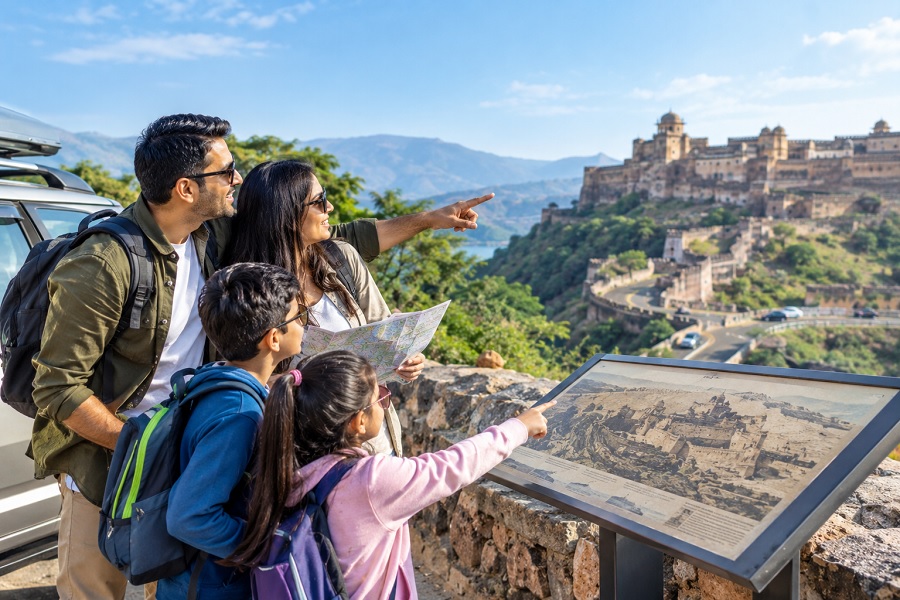
Family Dark-Sky Tourism: Stargazing Adventures and Memorable Night-Sky Experiences
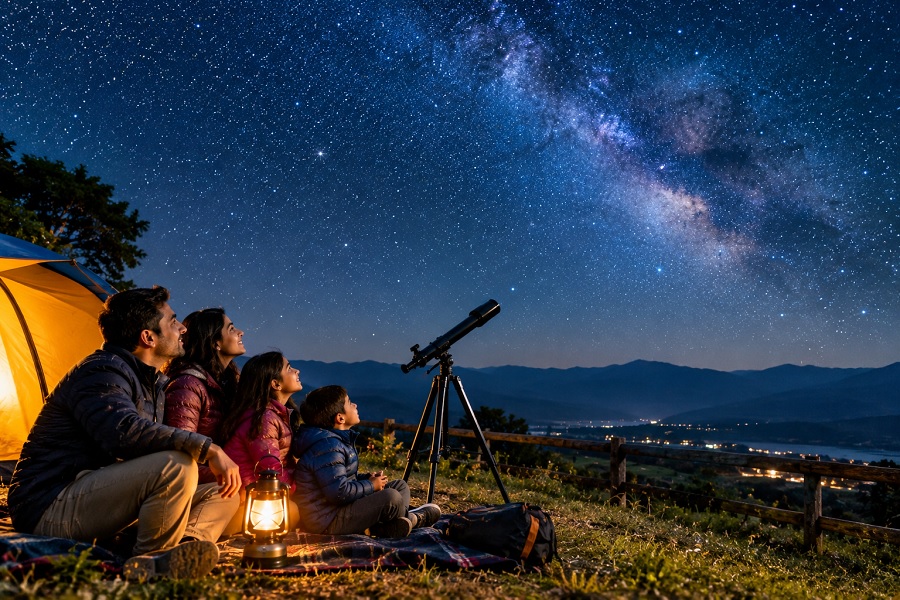
Family Dark-Sky Tourism: Stargazing, Night Adventures and Family Travel Experiences
Family Dark-Sky Tourism is a unique form of travel that allows families to experience the beauty of naturally dark night skies away from bright city lights. Instead of focusing only on daytime sightseeing, these trips introduce families to stars, planets, constellations, moonlit landscapes and nighttime nature.
Dark-sky tourism is closely connected with astrotourism, but it can include a wider range of nighttime experiences such as stargazing, astronomy programs, night walks, moonlit hikes and nature observation.
For families, this type of travel can combine recreation, education, photography and outdoor exploration in a single trip.
What Is Family Dark-Sky Tourism?
Family Dark-Sky Tourism involves traveling with children, parents or multiple generations to locations where artificial light is limited and the night sky can be experienced more naturally.
The main purpose is to give family members an opportunity to spend time outdoors after sunset while learning about astronomy and the nighttime environment.
Activities may include:
Stargazing
Constellation identification
Telescope viewing
Moon observation
Astronomy workshops
Night nature walks
Astrophotography
Storytelling under the stars
Meteor shower viewing
Outdoor camping
Educational astronomy programs
Why Is Dark-Sky Tourism Growing?
Increasing urbanization and artificial lighting have made naturally dark skies less common for many people. DarkSky International's 2026 state-of-the-science report notes growing public interest in visiting naturally dark places and the emergence of astrotourism around that interest.
This creates an opportunity for families to travel to rural, mountainous, desert, coastal or protected areas where the nighttime environment can be experienced more clearly.
Dark-sky destinations can also encourage conversations about light pollution, wildlife and environmental conservation.
Benefits of Family Dark-Sky Tourism
1. Educational Experience
Children can learn about planets, stars, constellations and space outside the classroom.
A telescope session or guided astronomy program can make science more engaging and memorable.
2. Family Bonding
Spending an evening together away from television, phones and busy city environments can create opportunities for conversation and shared experiences.
3. Connection With Nature
Dark-sky travel encourages families to experience nature at a different time of day. It can help visitors notice sounds, landscapes and wildlife that are less visible during daytime.
4. Photography Opportunities
Night landscapes provide opportunities for family photographs, star trails, moon photography and landscape photography.
5. Environmental Awareness
Families can learn how excessive artificial light affects nighttime environments and why responsible outdoor lighting matters.
Popular Family Dark-Sky Activities
Stargazing
Basic stargazing is one of the easiest activities for families. Parents and children can identify bright stars, constellations and visible planets with the help of a guide or astronomy application.
Telescope Observation
Some destinations provide telescopes and guided observation sessions. Children can learn about the Moon, planets and other celestial objects.
Constellation Walks
A guided constellation walk can combine a short outdoor walk with astronomy education. Guides can explain how different constellations appear in the night sky.
Meteor Shower Experiences
Families can plan trips around major meteor showers. However, visibility depends on weather, sky conditions, moonlight and the specific meteor shower.
Moon Observation
The Moon is an excellent starting point for young astronomy enthusiasts because its surface features can be observed with binoculars or telescopes under suitable conditions.
Night Nature Walks
Dark-sky tourism can also involve nighttime ecology walks. These activities can introduce families to nocturnal environments while following local safety and wildlife guidelines.
Astrophotography
Older children and parents interested in photography can learn basic night photography techniques.
A simple tripod, camera or suitable smartphone can be used to experiment with night landscapes.
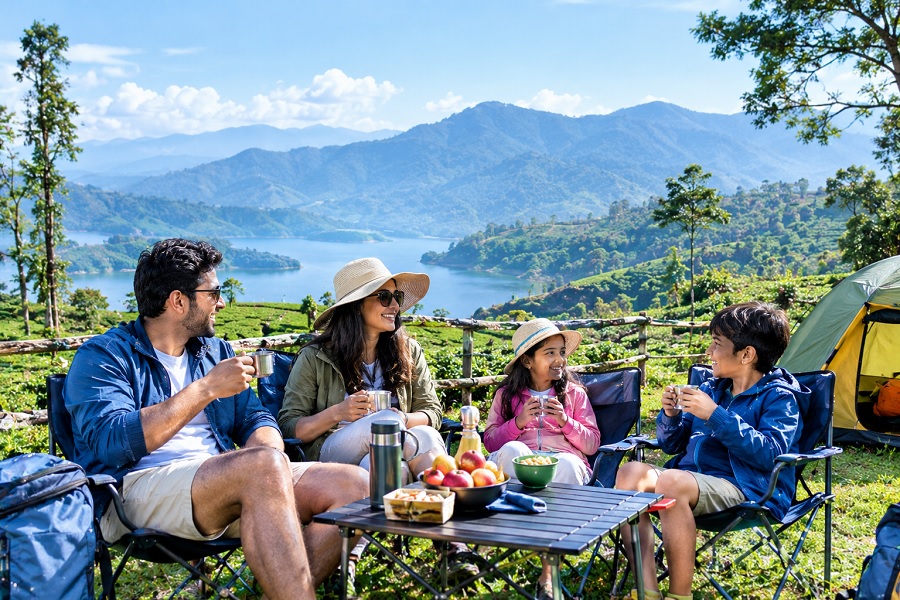
Family Camping Under the Stars
Camping can make a dark-sky experience more immersive. Families can spend the evening around their campsite, participate in astronomy activities and sleep in a location away from urban light.
For family camping, travelers should prepare:
Warm and comfortable clothing
Sleeping equipment
Water
First-aid supplies
Flashlights with appropriate settings
Insect protection where necessary
Food and snacks
Weather-appropriate equipment
Families should always follow campsite rules and avoid disturbing wildlife.
Dark-Sky Tourism in Maharashtra
Maharashtra has been developing greater visibility around astronomy and dark-sky conservation. DarkSky International reported that Maharashtra participated in International Dark Sky Week 2026 through the government-led Khagol Darshan Mahotsav 2026, with activities at Lonar Crater and Harihareshwar. The reported program included telescope viewing, constellation walks, educational activities and demonstrations about responsible lighting.
In August 2026, DarkSky International also announced a collaboration with Maharashtra-based AstronEra to advance dark-sky conservation, International Dark Sky Place certifications and sustainable astrotourism in the state.
These developments highlight the growing connection between astronomy education, conservation and tourism in Maharashtra.
Choosing a Family-Friendly Dark-Sky Destination
When selecting a destination, families should consider more than the darkness of the sky.
Important factors include:
Accessibility
Choose a location that can be reached safely and comfortably, especially when traveling with young children or older family members.
Accommodation
Look for family-friendly hotels, lodges, camps or other accommodations close to the observation area.
Some hospitality properties around the world are now participating in DarkSky International's lodging and resort certification programs, which recognize accommodations that meet specific dark-sky and responsible-lighting criteria.
Weather
Clear skies are important for astronomy. Check local weather conditions before planning the observation session.
Safety
Select destinations with safe observation areas, suitable paths and reliable local facilities.
Educational Programs
Family trips can be more engaging when the destination offers astronomy guides, workshops or telescope sessions.
Best Time for Family Dark-Sky Tourism
The ideal time depends on the destination and the celestial event families want to observe.
For general stargazing, families should look for:
Clear weather
Low cloud cover
Limited artificial lighting
Suitable moon conditions
Comfortable nighttime temperatures
For meteor showers or other celestial events, families should check an astronomy calendar before planning their trip.
Family Dark-Sky Tourism and Children
Dark-sky tourism can be especially interesting for children because it turns astronomy into an outdoor experience.
Parents can encourage children to:
Identify familiar constellations
Draw what they see
Keep a simple astronomy journal
Learn basic star navigation
Observe the Moon
Ask questions about planets
Take simple night photographs
Participate in guided astronomy activities
Younger children may enjoy storytelling and constellation myths, while teenagers may prefer photography, telescopes or astronomy apps.
Multigenerational Dark-Sky Trips
Dark-sky travel can also work well for multigenerational families.
Grandparents, parents and children can participate in different activities according to their interests and abilities. For example, some family members can attend a telescope session while others enjoy a comfortable outdoor observation area.
Choosing accommodation close to the viewing location can make the experience easier for older travelers.
Responsible Dark-Sky Tourism
Protecting the nighttime environment is an important part of responsible dark-sky travel.
DarkSky International recommends responsible lighting that is purposeful, directed where needed, no brighter than necessary, used only when useful and warmer in color where possible.
Families can support responsible tourism by:
Avoiding unnecessary bright lights
Following local regulations
Staying on designated paths
Keeping noise levels low
Avoiding litter
Respecting wildlife
Supporting local businesses
Following guides' instructions
Respecting local communities
Avoiding disturbance to other visitors
Dark Skies and Wildlife
Nighttime darkness is also important for wildlife. Many animals are active after sunset, so tourism activities should be designed carefully to avoid disturbing nocturnal species.
DarkSky International's responsible astrotourism principles specifically emphasize protecting natural environments and minimizing impacts on nocturnal wildlife.
Families can make the trip educational by learning about animals that depend on natural nighttime conditions.
Family Dark-Sky Photography
Night photography can become a fun family activity.
Beginners can start with:
A stable tripod
A camera or suitable smartphone
A dark location
Manual or night photography settings
A timer or remote shutter
Patience while experimenting
Families should avoid using bright lights unnecessarily because they can interfere with other visitors' observations and reduce the quality of the nighttime experience.
Sample Family Dark-Sky Itinerary
Day 1: Arrival
Arrive at the destination and settle into family-friendly accommodation.
Spend the afternoon exploring nearby attractions.
Evening
Enjoy an early dinner and prepare for the night activity.
Join a guided astronomy session after sunset.
Night
Participate in:
Constellation identification
Telescope viewing
Moon observation
Family photography
Astronomy storytelling
Return to the accommodation after the scheduled program.
Day 2: Nature and Local Culture
Explore nearby natural or cultural attractions during the day.
In the evening, enjoy another short stargazing session if weather conditions are suitable.
Budget Planning
Family dark-sky holidays can be planned across different budgets.
Budget Trip
Families can choose simple accommodation, public observation areas and self-guided stargazing.
Mid-Range Trip
A family-friendly hotel or lodge combined with a guided astronomy program can provide a comfortable experience.
Premium Experience
Families can choose specialized astronomy resorts, guided astrophotography sessions or properties designed around dark-sky experiences.
The cost depends on transportation, accommodation, guided activities, meals and destination.
Family Dark-Sky Tourism and Technology
Technology can make astronomy easier for beginners.
Families can use astronomy applications to identify:
Stars
Constellations
Planets
The Moon
Celestial events
However, travelers should avoid excessive screen use during the actual experience. The goal is to use technology as a learning tool while still enjoying the natural night sky.
Future of Family Dark-Sky Tourism
Dark-sky tourism is becoming increasingly connected with sustainable travel, outdoor education and responsible tourism.
In 2026, DarkSky International expanded its accommodation program with a new DarkSky Approved Resort certification. The program recognizes larger hospitality properties that meet dark-sky lighting standards while providing tourism, educational, wellness or recreational experiences.
This development indicates that nighttime experiences are becoming part of broader tourism planning rather than remaining limited to astronomy enthusiasts.
For families, this could mean more accommodation options that combine comfortable stays with stargazing and nighttime educational experiences.
Tips for a Successful Family Dark-Sky Trip
Before traveling, families should:
Check the weather forecast
Check moon conditions
Confirm astronomy program timings
Carry warm clothing where required
Pack water and snacks
Carry necessary medicines
Bring a tripod for photography
Follow local safety instructions
Keep children supervised
Avoid unnecessary bright lights
Respect wildlife and local communities
Reserve accommodation in advance when needed
Conclusion
Family Dark-Sky Tourism offers an opportunity to combine travel, education, nature and family bonding under the night sky. From telescope sessions and constellation walks to camping, night photography and astronomy workshops, these experiences can appeal to children and adults alike.
The growing interest in dark-sky destinations also highlights the importance of protecting natural darkness. Recent initiatives in Maharashtra and around the world show how astronomy, tourism and conservation can be connected through responsible travel.
For families looking for a different kind of holiday, a dark-sky journey can turn an ordinary night into an educational and memorable travel experience while encouraging greater appreciation for the natural nighttime environment.