Exploring Lake Tourism in India: Beautiful Destinations, Adventure and Peaceful Lakeside Getaways
Lake Tourism in India: Exploring Scenic Lakes, Nature and Unique Travel Experiences
Lake Tourism in India offers travelers a peaceful way to discover the country's natural landscapes, cultural heritage, wildlife, adventure activities, and local communities. From the Himalayan lakes of Uttarakhand and Ladakh to the wetlands of Odisha and the historic lakes of Rajasthan, India's lakes provide remarkably different travel experiences.
Lake destinations are particularly attractive for travelers looking for boating, photography, birdwatching, nature walks, wellness breaks, romantic escapes, family holidays, and cultural exploration. In 2026, lake-based travel is also becoming increasingly connected with slow travel, nature tourism, and responsible tourism.
What Is Lake Tourism?
Lake tourism refers to travel centered around natural or man-made lakes and the experiences available around them. These experiences can include:
Boating and kayaking
Birdwatching
Nature photography
Fishing experiences where permitted
Lakeside walks
Cultural sightseeing
Wellness retreats
Camping
Local food experiences
Heritage exploration
Wildlife tourism
India's geographical diversity means that travelers can experience alpine lakes, freshwater lakes, salt lakes, coastal lagoons, urban lakes, and historic reservoirs.
Why Lake Tourism Is Popular in India
Lakes create attractive destinations for travelers who want to slow down and spend time in nature. Many lake destinations also combine water landscapes with mountains, forests, temples, palaces, villages, and wildlife.
For example, Nainital's Naini Lake is surrounded by hills and offers boating and other water activities, while Kumaon's broader lake circuit includes Naini Lake, Sattal, Bhimtal, and Naukuchiya Tal.
Lake tourism can therefore appeal to many types of travelers, from families and couples to photographers, adventure enthusiasts, and nature lovers.
Famous Lake Tourism Destinations in India
1. Dal Lake, Srinagar
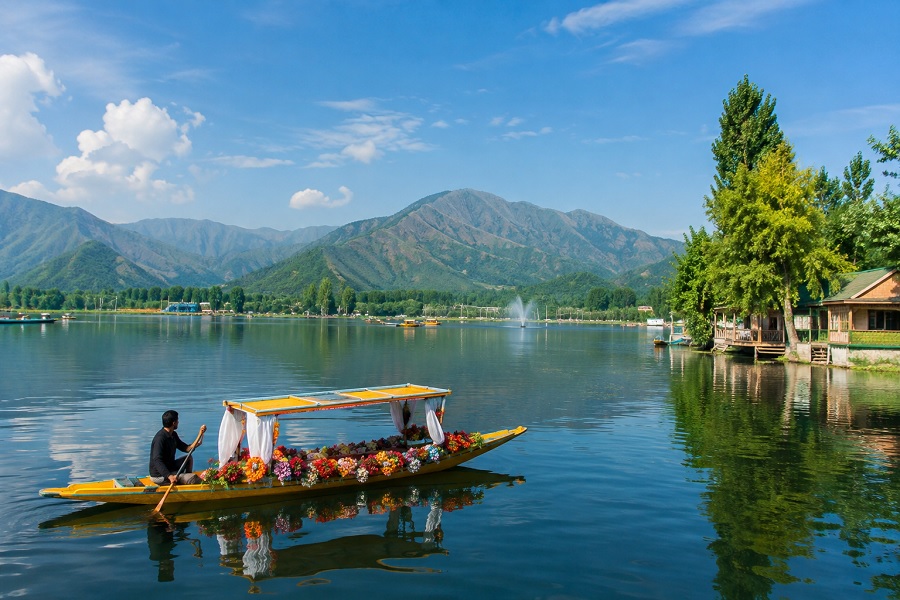
Dal Lake is one of India's most recognizable lake destinations. Its shikaras, houseboats, surrounding mountains, floating markets, gardens, and changing seasonal scenery create a distinctive travel experience.
A visit can include a shikara ride, lakeside sightseeing, photography, local food, and exploration of Srinagar's cultural attractions.
2. Naini Lake, Uttarakhand
Naini Lake is located at the heart of Nainital and is surrounded by the town's characteristic Himalayan landscape.
Visitors can enjoy boating, kayaking, canoeing, yachting, and scenic views. The lake is also close to attractions such as Naina Devi Temple, viewpoints, and walking areas.
3. Lake Pichola, Udaipur
Udaipur is popularly known as the City of Lakes, and Lake Pichola is one of its most famous attractions.
The lake is closely connected with Udaipur's palaces, architecture, heritage, and royal history. Rajasthan Tourism highlights the Lake Palace, located in the middle of Lake Pichola, as one of the city's notable sights.
4. Chilika Lake, Odisha
Chilika is a major destination for nature and wildlife tourism. It is a large brackish-water lagoon on India's eastern coast and an important habitat for birds and Irrawaddy dolphins. The official Chilika development authority describes it as a major biodiversity hotspot and an important wintering area for migratory waterfowl.
Winter is particularly attractive for birdwatching, with November to February recommended for observing migratory birds.
5. Loktak Lake, Manipur
Loktak Lake is famous for its floating phumdis, or masses of vegetation and organic matter that float on the water.
The lake offers travelers an opportunity to explore a distinctive ecosystem and learn about the relationship between local communities, wetlands, and nature.
6. Pangong Tso, Ladakh
Pangong Tso is a high-altitude lake surrounded by dramatic mountain scenery. Its changing shades of blue and rugged landscape have made it a popular destination for photographers and adventure travelers.
Visitors should plan carefully because high-altitude travel requires appropriate acclimatization and preparation.
7. Vembanad Lake, Kerala
Vembanad Lake provides a different type of lake tourism experience, closely connected with Kerala's backwaters.
Houseboat journeys, village landscapes, local cuisine, waterways, and traditional communities make the region particularly appealing for travelers seeking slow and immersive experiences.
8. Sambhar Lake, Rajasthan
Sambhar Lake offers a distinctive salt-lake landscape. It is particularly interesting for travelers interested in birdwatching, photography, desert environments, and ecological tourism.
The landscape also demonstrates that Indian lake tourism extends beyond conventional freshwater destinations.
9. Sattal, Uttarakhand
Sattal is a group of interconnected lakes in the Kumaon region. Uttarakhand Tourism includes Sattal as part of its dedicated Lakes of Kumaon tourism circuit.
The destination is well suited to nature lovers, birdwatchers, photographers, campers, and travelers seeking a quieter Himalayan environment.
10. Jaisamand Lake, Rajasthan
Jaisamand Lake combines water landscapes with heritage and wildlife experiences. Visitors can enjoy boating while exploring surrounding architecture and nearby natural areas.
Incredible India highlights its islands, architectural features, boating opportunities, and connection with Jaisamand Sanctuary.
Lake Tourism for Families
Lakes can be excellent family destinations because they combine relaxation with outdoor activities.
Families can enjoy:
Safe boating experiences
Lakeside picnics
Nature walks
Photography
Birdwatching
Local sightseeing
Cultural attractions
Family-friendly resorts
Parents should always follow local boating rules and use appropriate safety equipment.
Lake Tourism for Couples
Lake destinations are naturally suited to romantic travel.
Couples can enjoy:
Sunset boat rides
Lakeside dinners
Scenic viewpoints
Romantic walks
Photography
Lakeside resorts
Heritage experiences
Quiet nature retreats
Udaipur, Nainital, Srinagar, and several Himalayan lake destinations can provide different styles of romantic travel.
Adventure Activities Around Lakes
Lake tourism can include a variety of outdoor activities, depending on local regulations and conditions.
Popular activities include:
Kayaking
Canoeing
Boating
Yachting
Paddle boating
Fishing where permitted
Camping
Trekking
Cycling
Birdwatching
Naini Lake, for example, officially lists kayaking, canoeing, yachting, and boating among its water-based activities.
Lake and Wildlife Tourism
Some lakes are important ecosystems supporting birds, aquatic species, and surrounding wildlife.
Chilika is a particularly strong example. Its ecosystem supports hundreds of bird and fish species and provides habitat for endangered Irrawaddy dolphins.
Jaisamand also connects lake tourism with wildlife experiences through the surrounding sanctuary.
This combination can make lake destinations valuable for both tourism and environmental education.
Lake Photography Tourism
Lakes provide excellent opportunities for landscape photography because of reflections, changing light, surrounding mountains, architecture, wildlife, and local activities.
Popular photography subjects include:
Sunrise reflections
Sunset landscapes
Mountain lakes
Boats and shikaras
Wildlife
Migratory birds
Traditional villages
Historic buildings
Local fishing activities
Travelers should respect photography restrictions around wildlife, private property, and culturally sensitive locations.
Lake Tourism and Cultural Experiences
Many Indian lakes are connected to local traditions, temples, historic settlements, festivals, agriculture, fishing communities, and traditional lifestyles.
For example, Naini Lake is closely associated with Naina Devi Temple and the cultural identity of Nainital.
Similarly, Kerala's lake and backwater regions provide opportunities to experience traditional waterways, village life, cuisine, and boat-based cultural traditions.
Lake Tourism and Food Experiences
Food can add another dimension to a lake holiday.
Travelers can explore:
Fresh local cuisine
Regional seafood where appropriate
Traditional snacks
Lakeside restaurants
Local tea and beverages
Farm-to-table meals
Traditional village cooking
Combining lake sightseeing with regional cuisine allows visitors to experience both the natural and cultural identity of a destination.
Sustainable Lake Tourism
Responsible tourism is particularly important around lakes because water ecosystems can be vulnerable to pollution, waste, excessive boating, and uncontrolled development.
Travelers can support sustainable lake tourism by:
Avoiding littering.
Carrying reusable water bottles.
Avoiding single-use plastics.
Following boating regulations.
Respecting wildlife.
Staying on designated trails.
Supporting local businesses.
Avoiding disturbance to birds and animals.
Using authorized tourism operators.
Respecting local communities and traditions.
Sustainable tourism helps ensure that lakes remain attractive and ecologically healthy for future generations.
Lake Tourism During Monsoon
Monsoon can transform many Indian lake destinations with greener landscapes, fuller water bodies, misty hills, and dramatic skies.
At the same time, travelers should check weather conditions because heavy rainfall can affect roads, boating, trekking routes, and accommodation access.
Recent travel trends show increasing interest in monsoon tourism in destinations such as Munnar, Coorg, Wayanad, Ooty, and Lonavala, suggesting broader interest in rainy-season nature experiences.
Best Time for Lake Tourism
The best time depends on the destination.
Himalayan lakes: Often best during accessible warmer months, depending on altitude and weather.
Wildlife and birding lakes: Winter can be excellent, particularly at destinations such as Chilika.
Rajasthan lakes: Cooler months are generally comfortable for sightseeing.
Kerala backwaters: Travel conditions vary seasonally, so visitors should check current weather.
Monsoon lake destinations: Excellent scenery can be accompanied by heavy rain, so weather planning is essential.
Tips for Planning a Lake Holiday in India
Before visiting a lake destination, travelers should:
Check the local weather forecast.
Confirm boating availability.
Follow safety instructions.
Carry sun protection.
Keep drinking water available.
Wear comfortable footwear.
Carry appropriate clothing for the season.
Respect wildlife restrictions.
Avoid littering.
Book accommodation in advance during peak periods.
Check road and transport conditions before traveling.
The Future of Lake Tourism in India
Lake tourism has strong potential to become an important part of India's nature, adventure, cultural, and wellness tourism landscape.
Government tourism initiatives continue to support destination development across India, including projects associated with sustainable tourism circuits and destination infrastructure.
The future of lake tourism can focus on better visitor management, cleaner water bodies, responsible boating, improved interpretation centers, community participation, nature education, and environmentally responsible accommodation.
Conclusion
Lake Tourism in India offers much more than beautiful scenery. It brings together nature, adventure, culture, food, wildlife, photography, wellness, and relaxation.
From the shikaras of Dal Lake and the mountain setting of Naini Lake to the biodiversity of Chilika and the royal landscapes of Udaipur, every lake destination offers a different story.
For travelers in 2026, lake tourism provides an excellent opportunity to slow down, explore India's diverse landscapes, support local communities, and enjoy memorable experiences while respecting fragile aquatic ecosystems.