Explore Local Cuisine Together with Family Cooking Vacations
Family Cooking Vacation Experiences: A Delicious Way to Travel Together
Family Cooking Vacation Experiences combine travel, food, culture, and quality family time into one memorable holiday. Instead of simply visiting restaurants, families can learn how local dishes are prepared, visit farms and markets, collect fresh ingredients, and cook traditional meals together.
Food is closely connected with culture, heritage, traditions, and community life, making culinary tourism an engaging way for families to understand a destination. UN Tourism also highlights gastronomy tourism as a way to support local communities, preserve culinary heritage, and create sustainable tourism opportunities.
What Is a Family Cooking Vacation?
A family cooking vacation is a travel experience where parents, children, grandparents, or other family members participate in food-related activities during their holiday.
Depending on the destination, a family may:
Join a traditional cooking class
Visit a local farmers' market
Pick vegetables and fruits from a farm
Learn traditional recipes
Prepare regional snacks and desserts
Visit food producers
Participate in farm-to-table dining
Learn local food traditions
Explore street-food markets
Prepare meals with local chefs
These activities turn food preparation into part of the travel experience rather than simply something to eat during a trip.
Why Families Enjoy Cooking Vacations
Cooking together encourages families to communicate, cooperate, and spend meaningful time away from everyday routines. Children can also develop practical skills while learning about different cuisines.
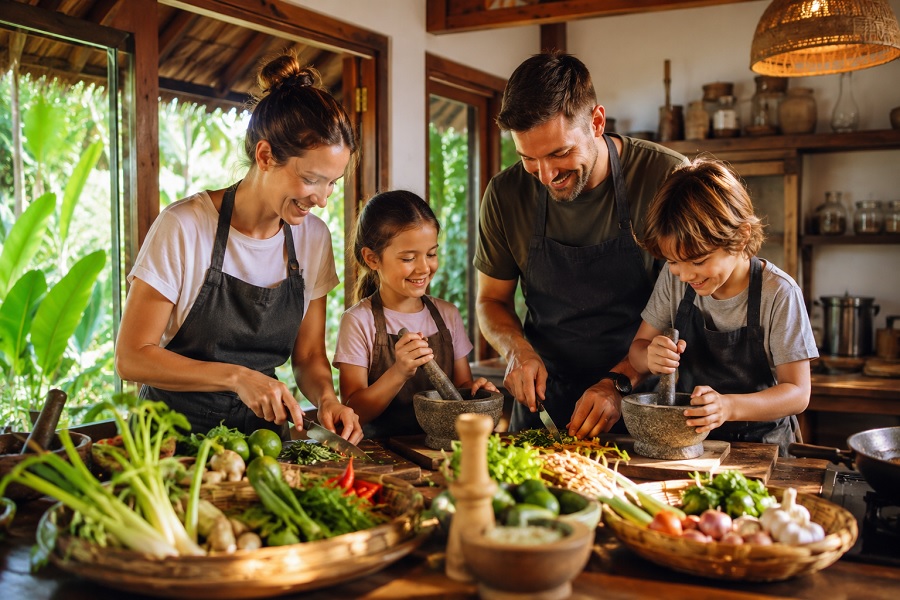
A cooking class can give every family member a role. One person may prepare vegetables, another may mix ingredients, while others learn cooking techniques from a local chef or host.
The result is not only a meal but also a shared travel memory.
Discovering Local Culture Through Food
Every destination has its own food traditions. Ingredients, cooking techniques, recipes, and eating customs often reflect local history and geography.
Families can learn why particular ingredients are important to a region and how traditional dishes have evolved over generations. This makes culinary experiences an accessible form of cultural tourism.
UN Tourism describes gastronomy as an important expression of culture, heritage, tradition, and community.
Farm-to-Table Family Experiences
Farm-to-table activities can make a family cooking vacation even more interactive.
Families may visit an organic farm, collect seasonal vegetables, learn about cultivation, and then use those ingredients to prepare a meal.
These experiences help children understand where food comes from and create a connection between agriculture, food, and tourism. Recent sustainable gastronomy initiatives have also emphasized connecting visitors with farmers, local producers, traditional culinary practices, and rural communities.
Traditional Cooking Classes
Traditional cooking classes are among the most popular activities for culinary vacations.
A local chef or home cook can introduce families to regional ingredients and demonstrate traditional preparation methods. Participants can then prepare the dish themselves under guidance.
Indian family travelers, for example, can explore regional cuisines ranging from South Indian breakfasts and Gujarati snacks to Rajasthani dishes, Bengali sweets, Himalayan recipes, and coastal seafood traditions.
Cooking Vacations for Children
Family cooking holidays can be especially enjoyable when activities are designed for children.
Simple tasks such as mixing ingredients, shaping dough, decorating desserts, preparing salads, or making traditional snacks can make children feel involved.
Cooking activities should always be age-appropriate, with adults or trained instructors handling hot surfaces, sharp knives, and other potentially dangerous equipment.
Exploring Local Markets
A local market visit can be an exciting part of a cooking vacation.
Families can explore fresh produce, spices, grains, herbs, sweets, bakery products, and regional specialties. A guide can explain unfamiliar ingredients and help families select products for their cooking class.
Market visits also introduce children to the everyday food culture of a destination.
Family Baking Experiences
Baking-focused vacations are another appealing option. Families can learn to make bread, pastries, cakes, cookies, regional sweets, or traditional festival desserts.
Children often enjoy decorating and shaping baked products, making baking workshops suitable for multigenerational travel.
Sustainable Family Culinary Tourism
Cooking vacations can support sustainable tourism when families choose locally operated experiences, seasonal ingredients, community-based tourism businesses, and small producers.
Sustainable gastronomy initiatives increasingly focus on local sourcing, food-waste reduction, community participation, and stronger connections between agriculture and tourism.
Families can contribute by:
Choosing locally owned cooking experiences
Buying from local farmers and artisans
Avoiding unnecessary food waste
Carrying reusable water bottles
Respecting local food traditions
Supporting small restaurants and food producers
Choosing seasonal ingredients
Following local environmental guidelines
Popular Family Cooking Vacation Themes
Families can choose a cooking holiday based on their interests:
Indian regional cuisine tours
Italian pasta-making holidays
Asian street-food experiences
Mediterranean cooking vacations
Chocolate-making workshops
Bread and baking holidays
Farm-to-table cooking trips
Vegetarian culinary vacations
Dessert-making experiences
Traditional village cooking experiences
Family culinary holidays are already offered in destinations including Italy, Mexico, Spain, Thailand, and Vietnam, demonstrating the range of cooking-focused travel experiences available to families.
Family Cooking and Rural Tourism
Rural destinations can provide particularly authentic cooking experiences. Families may stay in village homestays, visit farms, collect ingredients, and prepare traditional meals with local hosts.
This approach can also provide economic opportunities for rural communities while helping preserve local food traditions. UN Tourism's rural tourism initiatives emphasize community participation, local gastronomy, cultural heritage, sustainable food systems, and conservation.
Tips for Planning a Family Cooking Vacation
Before booking a culinary holiday, families should consider the children's ages, cooking experience, dietary requirements, class duration, accommodation, transportation, and safety arrangements.
It is useful to check whether the experience is specifically designed for families or whether children are simply allowed to attend an adult cooking class.
Families should also ask about:
Class duration
Maximum group size
Child-friendly activities
Food allergies
Vegetarian or special dietary options
Kitchen safety
Ingredients included
Market or farm visits
Transportation
Meals included with the experience
Benefits of Family Cooking Vacations
A well-planned cooking vacation can provide several benefits:
Quality family time: Cooking together creates opportunities for conversation and teamwork.
Cultural learning: Families learn about traditions through local cuisine.
Practical skills: Children and adults can learn basic cooking techniques.
Memorable experiences: Families return home with recipes and memories rather than only souvenirs.
Local economic support: Spending with local cooks, farmers, guides, and food businesses can keep tourism income within the destination.
Sustainable travel: Local and seasonal food experiences can complement responsible tourism practices.
The Future of Family Cooking Vacations
Family culinary tourism is likely to continue expanding as travelers look for more interactive and meaningful experiences. Cooking classes, farm visits, food workshops, market tours, and community-based culinary activities can transform a normal holiday into an educational family adventure.
The strongest experiences will combine food with culture, sustainability, local storytelling, and direct community participation. This approach can benefit both travelers and destinations by creating meaningful connections while supporting local food systems and cultural heritage.
Conclusion
Family Cooking Vacation Experiences offer a creative way for families to explore destinations through food. From visiting local markets and farms to preparing traditional dishes with experienced cooks, these holidays combine learning, culture, entertainment, and togetherness.
For families searching for a vacation that goes beyond sightseeing, a cooking-focused journey can provide lasting memories and a deeper understanding of the places they visit. By choosing locally operated and sustainable experiences, families can also contribute to rural communities, local producers, and the preservation of culinary traditions.